Famous Merengue songs that define Dominican musical identity
Introduction
Merengue is more than just a musical genre; it is the rhythmic heartbeat of the Dominican Republic and a fundamental pillar of its national identity. Characterized by its rapid tempo, syncopated beats, and the interplay of the accordion, tambora, and güira, Merengue serves as a sonic chronicle of the Dominican people’s history, joy, and resilience. Understanding its most iconic songs is essential for anyone seeking to grasp the cultural essence of the Caribbean.
These songs act as historical markers that trace the evolution of the genre from rural folk traditions to international pop stages. By examining these musical pillars, listeners can appreciate how Merengue has transitioned through different eras—from the traditional “Perico Ripiao” to the sophisticated big-band arrangements of the late 20th century. This exploration offers a window into the soul of a nation that expresses its most profound emotions through dance and rhythm.
The roots of traditional merengue perico ripio

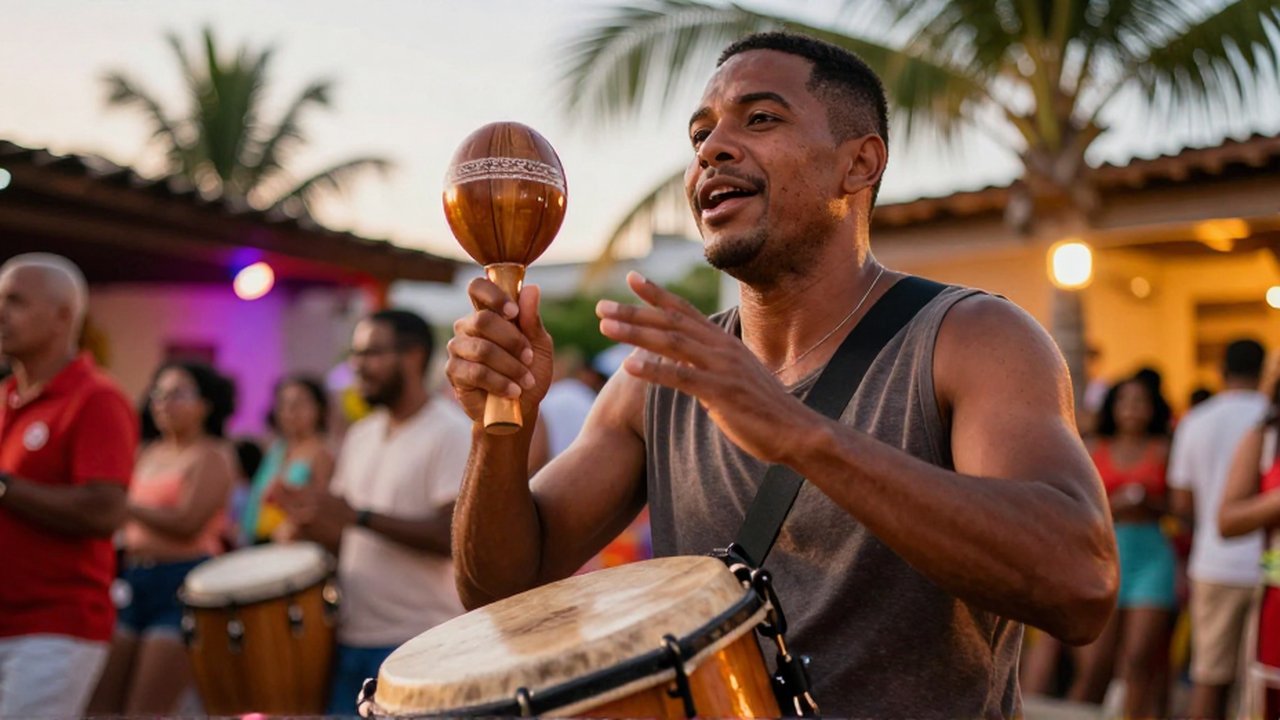
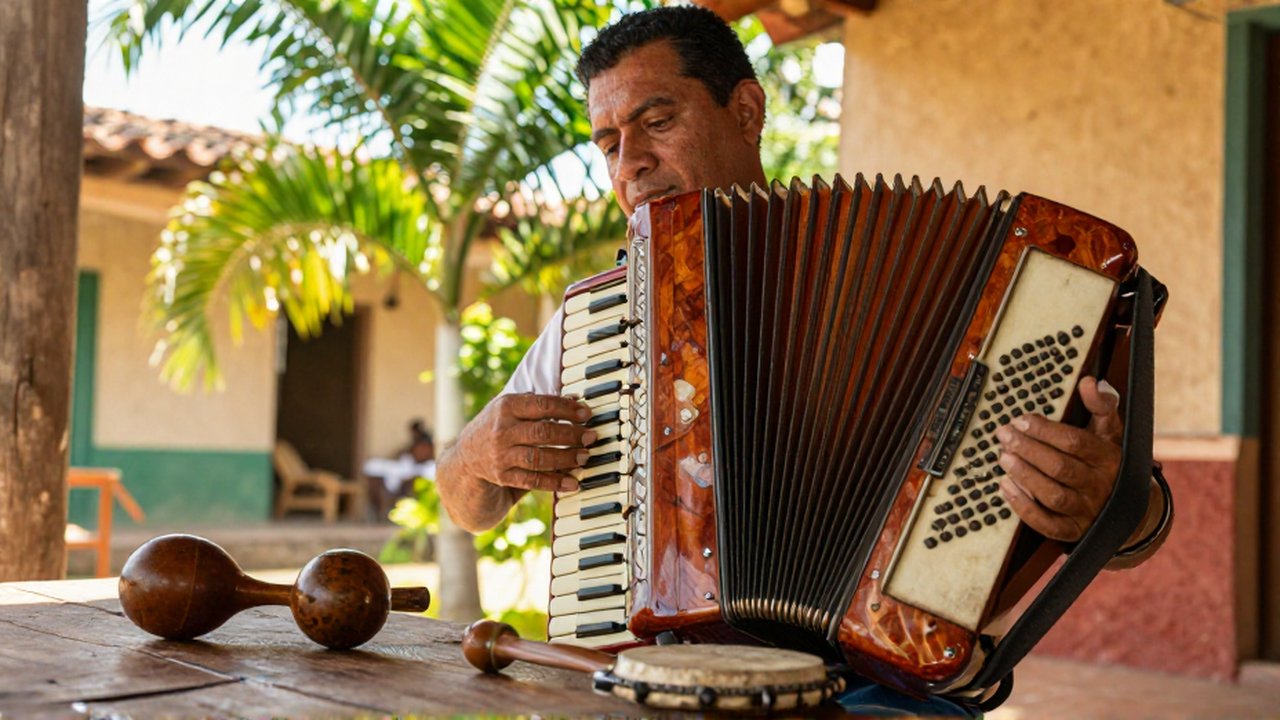
Before the advent of large orchestras, Merengue was a grassroots phenomenon known as Perico Ripiao. This style relies heavily on the trio of the accordion, the tambora (a two-headed drum), and the güira (a metal scraper). These songs are characterized by their raw energy and storytelling, often reflecting rural life and social customs.
One of the most defining elements of this era is the emphasis on improvisation and rapid-fire lyrical delivery. While many specific traditional tracks are passed down through oral history, the genre established a rhythmic blueprint that remains the foundation for all modern variations. Listening to these early styles provides the necessary context to understand why the rhythm is so infectious and how the instrumentation dictates the dancers’ movements.
Golden age legends and orchestral masterpieces
As the Dominican Republic moved into the mid-20th century, Merengue underwent a massive transformation. The introduction of brass sections, pianos, and bass guitars led to the “Big Band” era, where Merengue became a sophisticated urban phenomenon. This era produced legendary figures who turned the genre into a global powerhouse.
- Juan Luis Guerra: Perhaps the most influential figure in modern Merengue, his songs blended traditional rhythms with poetic lyrics and jazz influences. His work elevated the genre’s social consciousness and polished its production value for international audiences.
- Johnny Ventura: Known as “El Caballo Mayor,” Ventura revolutionized the genre by introducing choreographed dance moves and a highly energetic stage presence. His music shifted the focus toward a more visual and performative spectacle.
- Wilfrido Vargas: A master of arrangement, Vargas helped modernize the sound, making it faster and more suitable for the disco and club scenes of the 1980s.
These artists did not just create hits; they created anthems. Their songs often addressed themes of love, daily struggles, and national pride, ensuring that the music resonated with both the working class and the global elite.
Essential songs that shaped the genre

To understand the breadth of Merengue, one must look at the specific tracks that have become synonymous with the Dominican experience. These songs represent different stylistic branches of the genre.
| Song Category | Characteristics | Cultural Impact |
|---|---|---|
| Classical Merengue | Heavy emphasis on accordion and tambora. | Preserves the rural, folk heritage of the nation. |
| Orchestral Merengue | Large brass sections and complex arrangements. | Brought the genre to international ballroom and clubs. |
| Merengue de Orquesta | High tempo, polished production, and pop sensibility. | Defined the dance floor culture of the 1980s and 90s. |
The songs that define this identity often share a common thread: they are impossible to hear without the immediate urge to move. Whether it is a slow, romantic Merengue or a high-speed festive track, the spirit of the Dominican Republic is embedded in the percussion.
The global influence of Dominican rhythms
The success of these famous songs has had a profound impact on the global music landscape. Merengue has influenced various Latin genres, including Bachata and Salsa, and has been integrated into tropical fusion movements worldwide. The rhythmic structures perfected by Dominican musicians have become a staple in international percussion studies and dance academies.
The enduring power of these songs lies in their ability to transcend language barriers. Even for those who do not speak Spanish, the communicative power of the tambora and the güira conveys a sense of celebration and life. This universality is why Merengue remains a vital component of the global musical canon, acting as a permanent ambassador for Dominican culture.
Frequently asked questions
What instruments are essential to Merengue?
The core trio consists of the accordion, the tambora (drum), and the güira (scraper). In modern orchestral Merengue, brass instruments like saxophones and trumpets are also vital.
How does Merengue differ from Bachata?
While both are Dominican genres, Merengue is generally much faster and focuses on a driving, syncopated rhythm designed for energetic dancing. Bachata is typically slower, more melodic, and focuses on romantic or melancholic themes.
Why is Merengue considered a symbol of Dominican identity?
It reflects the country’s multicultural history and has been a unifying force across different social classes, serving as a primary way the nation expresses its collective joy and social narratives.

Post Comment