Differences between Merengue Tipico and modern Merengue
Introduction
Merengue is the heartbeat of the Dominican Republic, serving as a powerful symbol of national identity and cultural pride. While many people recognize the genre through its upbeat rhythms and infectious dance moves, there is a fundamental distinction between its ancestral roots and its contemporary evolution. Understanding these differences provides a deeper appreciation for how Dominican music has shifted from rural, acoustic traditions to a globalized, high-energy phenomenon.
Distinguishing between Merengue Típico and modern Merengue is essential for anyone looking to explore Dominican folklore or the history of Caribbean music. One represents the soul of the countryside, preserved through generations of specific instrumentation, while the other reflects the urban sophistication and technological advancements of the late 20th century. Recognizing these nuances allows listeners to identify the specific social contexts, musical structures, and cultural influences that define each style.
The roots of Merengue Típico

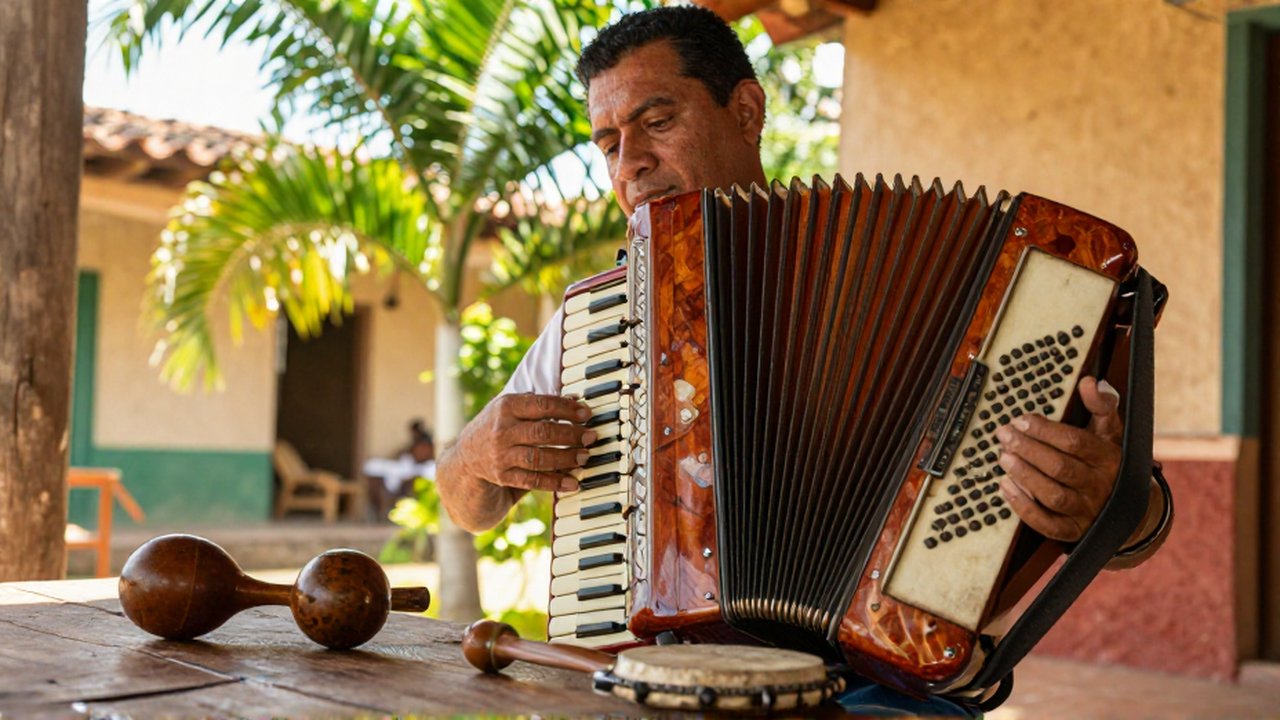
Merengue Típico, also known as perico ripia, is the traditional, folk-based version of the genre. Originating in the rural Cibao region of the Dominican Republic, it was historically the music of the peasantry and rural communities. This style is characterized by its organic sound and its reliance on acoustic instruments that were easily transportable and accessible to rural musicians.
The instrumentation of Merengue Típico is strictly defined by a specific trio of instruments. The accordion provides the melodic backbone, often playing intricate, rapid-fire patterns. This is accompanied by the guira (a metal scraper) and the tambora (a double-headed drum). This combination creates a rhythmic drive that is raw, earthy, and deeply connected to the agricultural traditions of the island. Because it lacks the heavy brass or complex electronic layering of modern versions, Típico focuses on the interplay between the accordionist and the percussionists.
Characteristics of modern Merengue
Modern Merengue represents the evolution of the genre as it moved from the countryside into the urban centers and onto the international stage. This transition began in earnest during the mid-20th century, as the music was adapted for large dance halls, sophisticated orchestras, and global recording studios. Unlike the rural simplicity of Típico, modern Merengue is a polished, highly orchestrated genre designed for mass appeal.
The most striking difference in modern Merengue is the expansion of the ensemble. While Típico relies on three main elements, modern Merengue utilizes a full big band setup. This typically includes:
- A heavy brass section consisting of saxophones, trumpets, and trombones.
- Piano and electric bass, which provide a more complex harmonic and rhythmic foundation.
- Electronic percussion or reinforced acoustic drums, adding a studio-polished depth.
- Vocal harmonies, often featuring multiple singers or sophisticated arrangements that differ from the solo-driven or communal singing of folk styles.
Comparative analysis of musical structures
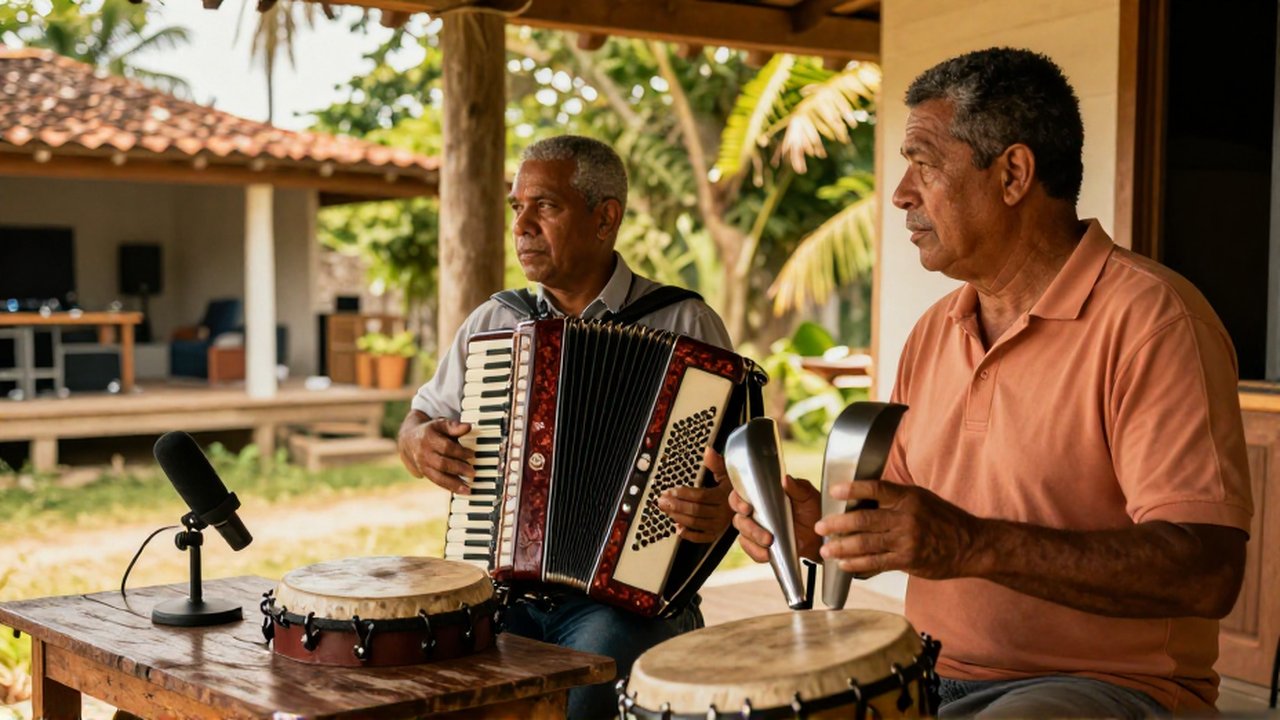
When comparing the two styles, the differences in rhythm, tempo, and social function become clear. While both share the basic 2/4 time signature that defines Merengue, the execution varies significantly.
| Feature | Merengue Típico | Modern Merengue |
|---|---|---|
| Primary Instrument | Accordion | Brass/Wind Section |
| Musical Setting | Rural festivals, community gatherings | Ballrooms, clubs, international stages |
| Rhythmic Feel | Raw, percussive, and folk-driven | Polished, swing-heavy, and orchestral |
| Instrumentation | Accordion, Tambora, Guira | Full Orchestra (Brass, Piano, Bass, etc.) |
| Cultural Origin | Cibao countryside (Folklore) | Urban centers (Pop/Commercial) |
The tempo in Merengue Típico can vary widely depending on the local tradition, but it often maintains a steady, driving pulse suited for traditional social dances. Modern Merengue, however, often incorporates more complex “breaks” and tempo changes designed to impress dancers in professional settings and to create dynamic shifts during club performances.
Cultural impact and preservation
The distinction between these two genres is not merely musical but sociological. Merengue Típico acts as a living archive of Dominican folklore. It preserves the stories, local dialects, and rhythms of the Dominican people’s ancestral past. Even as the world moves toward digital sounds, Típico remains a vital connection to the island’s heritage.
Modern Merengue, conversely, has been the Dominican Republic’s greatest cultural export. It allowed the nation to project its identity to the world through massive stars and high-production music videos. While Típico preserves the “soul” of the rural experience, modern Merengue demonstrates the versatility and adaptive power of Dominican culture in a globalized era. Both styles coexist today, with modern artists sometimes incorporating Típico elements to pay homage to their roots.
Frequently asked questions
Is Merengue Típico still played today? Yes, Merengue Típico is very much alive. It remains incredibly popular in the Dominican Republic, especially in rural areas and during traditional festivities, and has seen a resurgence among younger generations interested in folk roots.
Which version is more popular internationally? Modern Merengue is significantly more popular on an international scale. Its orchestral arrangement and polished production made it easier to broadcast on global radio and integrate into the international Latin pop market.
Can an artist play both styles? Many Dominican musicians are trained in both traditions. It is common for modern artists to use an accordion as a nod to Típico or for Típico musicians to incorporate more modern production techniques into their recordings.

Post Comment