Evolution of Salsa dance in modern urban culture
Introduction
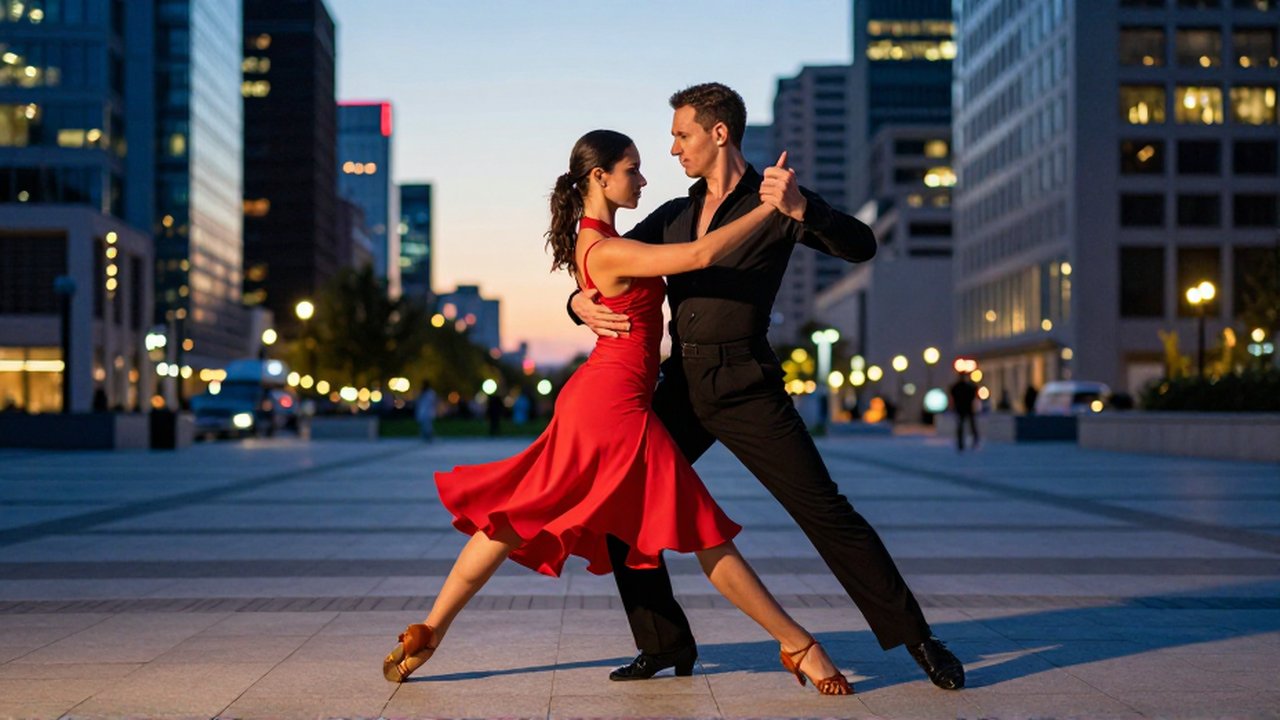
Salsa dance is a vibrant expression of rhythmic complexity and social connection that has transitioned from its Caribbean roots to become a global phenomenon. Understanding its evolution is essential for anyone interested in how cultural traditions adapt to the pressures and influences of the modern era. This dance serves as more than mere movement; it is a tool for community building, a form of physical storytelling, and a bridge between historical heritage and contemporary urban identity.
In the modern landscape, Salsa has moved beyond traditional social halls and into the spotlight of urban nightlife, professional stages, and digital platforms. This evolution matters because it demonstrates how a localized folk tradition can transform into a sophisticated, globalized art form without losing its core essence. By examining these changes, we gain insight into how music and dance continue to shape human interaction in an increasingly interconnected world.
Roots and the transition to urban environments

The origins of Salsa are deeply intertwined with the rhythmic structures of Afro-Cuban music, specifically elements of Son, Mambo, and Cha-cha-chá. While the musical foundations were laid in the Caribbean, the dance form as a distinct cultural identity crystallized in urban hubs like New York City. This migration turned Salsa into a melting pot of styles, where diverse immigrant populations merged their rhythmic sensibilities.
As the dance moved into the concrete landscape of the city, it evolved from a strictly traditional folk dance into a more stylized and energetic performance. The compact spaces of urban clubs and the faster tempo of urban life influenced the way dancers moved, leading to more intricate footwork and tighter connections between partners. This transition marked the beginning of Salsa’s journey from a community pastime to a highly technical discipline.
Diversification of modern salsa styles
Today, Salsa is no longer a monolithic genre. Modern urban culture has embraced and refined several distinct styles, each offering a different aesthetic and technical requirement. These variations allow dancers to express themselves through different moods, ranging from aggressive and athletic to smooth and romantic.
- On1 (Salsa Los Angeles): Characterized by a strong emphasis on the first beat of the musical phrase, this style is popular in social dance settings and is known for its bright, linear movements and flashy turns.
- On2 (Salsa New York/Mambo): This style places the emphasis on the second beat, resulting in a more rhythmic, “swingy” feel. It is often considered more sophisticated and is deeply connected to the classic Mambo era.
- Cuban Style (Casino): Unlike the linear styles, Cuban Salsa is circular. It focuses on the interaction between partners in a rotational pattern, maintaining a closer connection to its Afro-Cuban roots and social dance origins.
- Salsa Sensual: A more recent evolution, this style emphasizes fluid body movements, waves, and close connection, often incorporating elements that make it visually mesmerizing in a modern club setting.
The impact of digital culture and social media
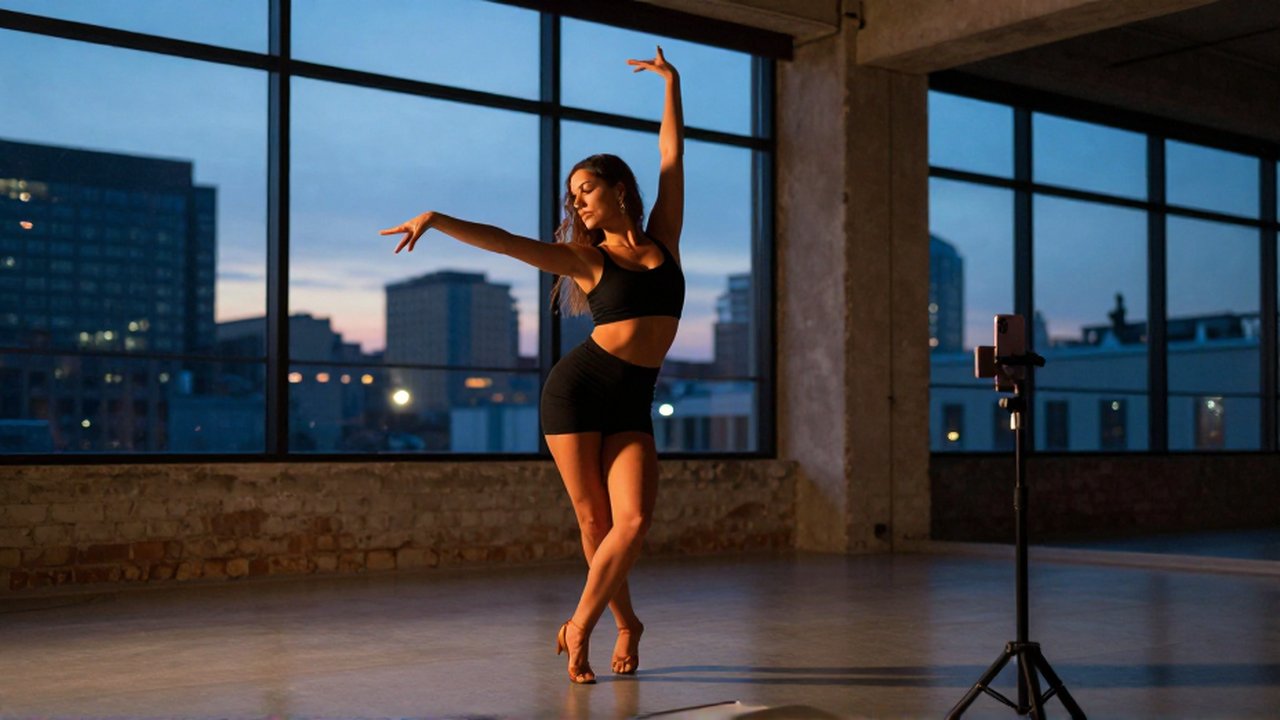
The digital revolution has fundamentally altered how Salsa is learned, shared, and perceived. In the past, the transmission of dance knowledge was purely oral and physical, occurring in dance studios or social clubs. Now, the “urban” aspect of Salsa is heavily influenced by the digital space.
Social media platforms have allowed dancers to showcase intricate footwork and complex patterns to a global audience instantly. This has led to a democratization of dance education, where a dancer in a small town can learn from a world-class instructor via video content. However, this also creates a new challenge: the pressure to perform “viral” movements. While this fosters innovation, it can sometimes prioritize visual spectacle over the rhythmic integrity and social connection that are the hallmarks of authentic Salsa.
Challenges in preserving essence amidst modernization
While diversification and technology have expanded the reach of Salsa, they also present certain risks to the art form. The drive toward professionalization and competition can sometimes strip the dance of its spontaneous, social soul. In many modern urban dance scenes, there is a tension between “performance Salsa”—designed for the stage and cameras—and “social Salsa,” which is intended for the joy of connection on the dance floor.
To maintain a healthy evolution, practitioners often recommend a balanced approach. Understanding the historical context and the musicality of the percussion is vital. Without a deep respect for the underlying rhythm, the dance risks becoming a series of empty acrobatic maneuvers. The most successful modern dancers are those who can navigate the complexity of high-level technique while maintaining the warmth and humanity of the original tradition.
Frequently Asked Questions
What is the main difference between linear and circular Salsa? Linear Salsa (like LA or NY styles) follows a “slot” or a straight line on the floor, focusing on forward and backward movements. Circular Salsa (Cuban Style) focuses on a rotational movement where partners move around each other in a circle.
Can I learn Salsa if I don’t have a dance partner? Yes. While Salsa is traditionally a partner dance, many modern urban dance schools offer solo training to improve footwork, body movement, and rhythm, which are essential skills for when you do dance with a partner.
How does music influence the way Salsa is danced? The rhythm and emphasis of the music dictate the style. For example, a song with a heavy emphasis on the second beat naturally lends itself to the “On2” style, while more melodic, flowing tracks might suit “Salsa Sensual.”
Is Salsa considered a competitive sport? While the core of Salsa is social, there is a significant competitive scene known as “Dancesport” or ballroom competitions, where dancers are judged on technique, timing, and performance. However, for most people, it remains a social and cultural activity.


Post Comment