What role does Santería play in Dominican culture
Introduction
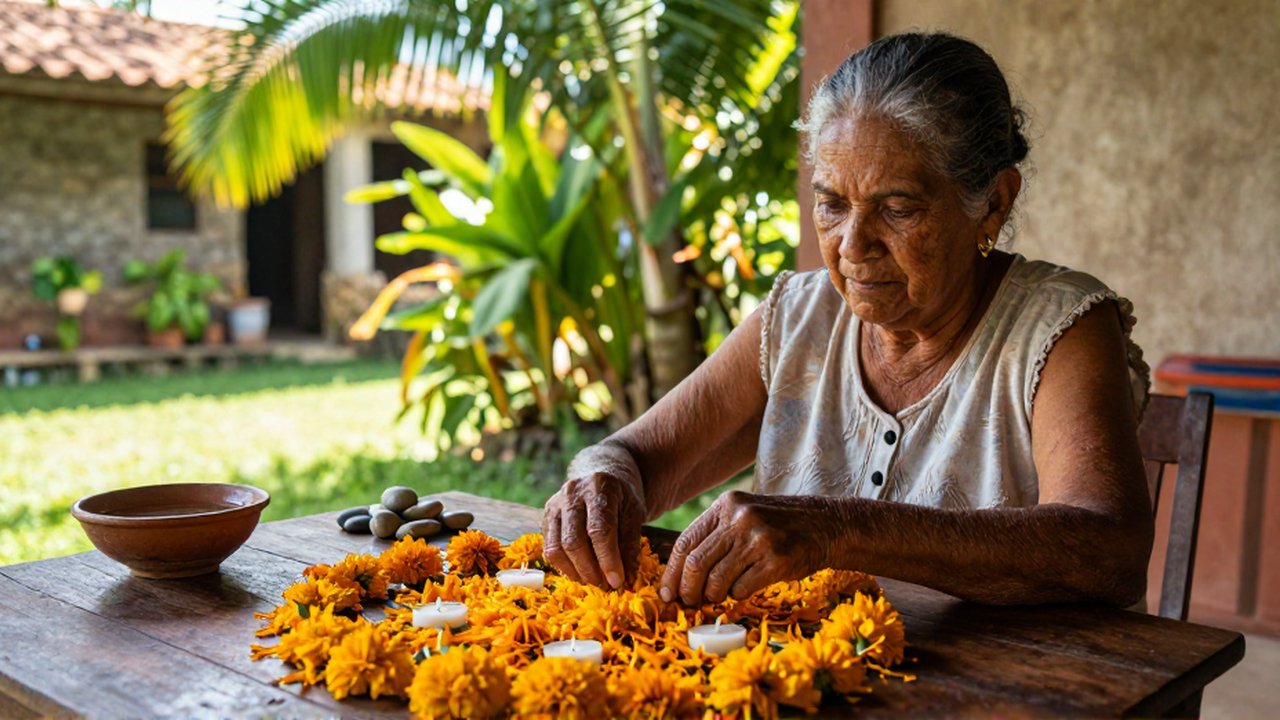
Santería, often categorized under the broader umbrella of Afro-Caribbean syncretic religions, represents a complex spiritual tapestry woven into the social fabric of the Caribbean. In the Dominican Republic, these belief systems serve as a vital connection to ancestral roots, offering a framework for understanding the relationship between the human, natural, and divine worlds. Understanding this role is essential for grasping how historical African traditions have survived and adapted within a predominantly Catholic society.
For many practitioners and observers, these traditions are not merely religious rituals but are deeply embedded in the cultural identity of the nation. They provide a sense of community, a method for seeking spiritual guidance, and a way to navigate the uncertainties of daily life. By studying these practices, one gains insight into the resilience of Afro-descendant heritage and the unique way spirituality manifests in Dominican folklore and everyday customs.
The intersection of African roots and Catholic traditions
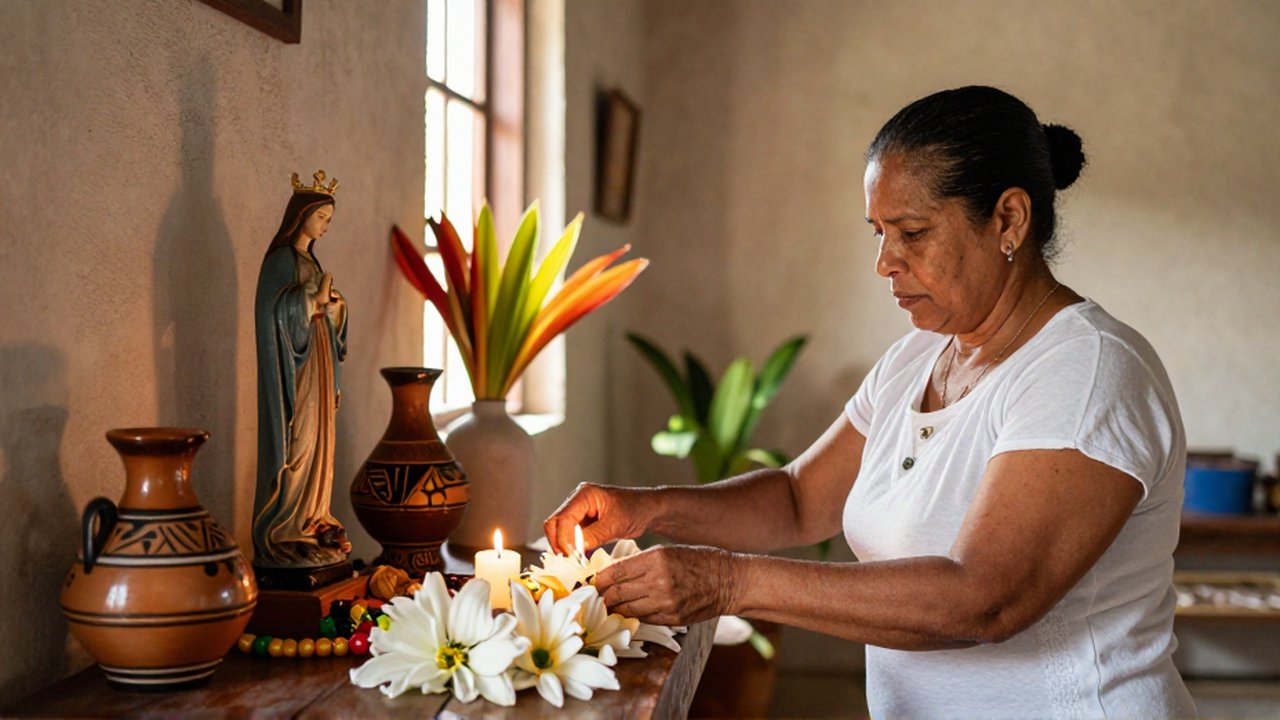
The presence of Santería-influenced practices in the Dominican Republic is a result of the historical fusion between West African spiritualities and Spanish Catholicism. This process, known as religious syncretism, occurred as enslaved Africans sought to preserve their ancestral deities while navigating the mandatory imposition of Christian doctrines. To protect their traditions, many practitioners identified their Orishas (deities) with Catholic saints, allowing them to continue their worship under the guise of orthodox devotion.
This duality creates a cultural landscape where a person might attend a Catholic Mass in the morning and participate in an Afro-diasporic ritual in the evening. This is not seen as a contradiction by many, but rather as a holistic approach to spirituality. The influence is visible in local iconography, the use of specific colors, and the veneration of certain figures that bridge the gap between two seemingly different worlds.
Influence on folklore and daily customs
Santería and related Afro-Caribbean belief systems extend far beyond the walls of private shrines, influencing the broader Dominican folklore. This influence is most visible in the way people interact with the natural world and the concept of spiritual protection. Many traditional beliefs regarding “mal de ojo” (the evil eye) or the need for cleansing rituals (limpias) are deeply rooted in this spiritual history.
The cultural impact can be observed in several areas:
- Language and Expressions: Many common idioms and ways of describing luck, misfortune, or spiritual presence have origins in these belief systems.
- Music and Dance: The rhythmic patterns used in traditional Dominican music often mirror the ceremonial drumming used to call upon spiritual entities.
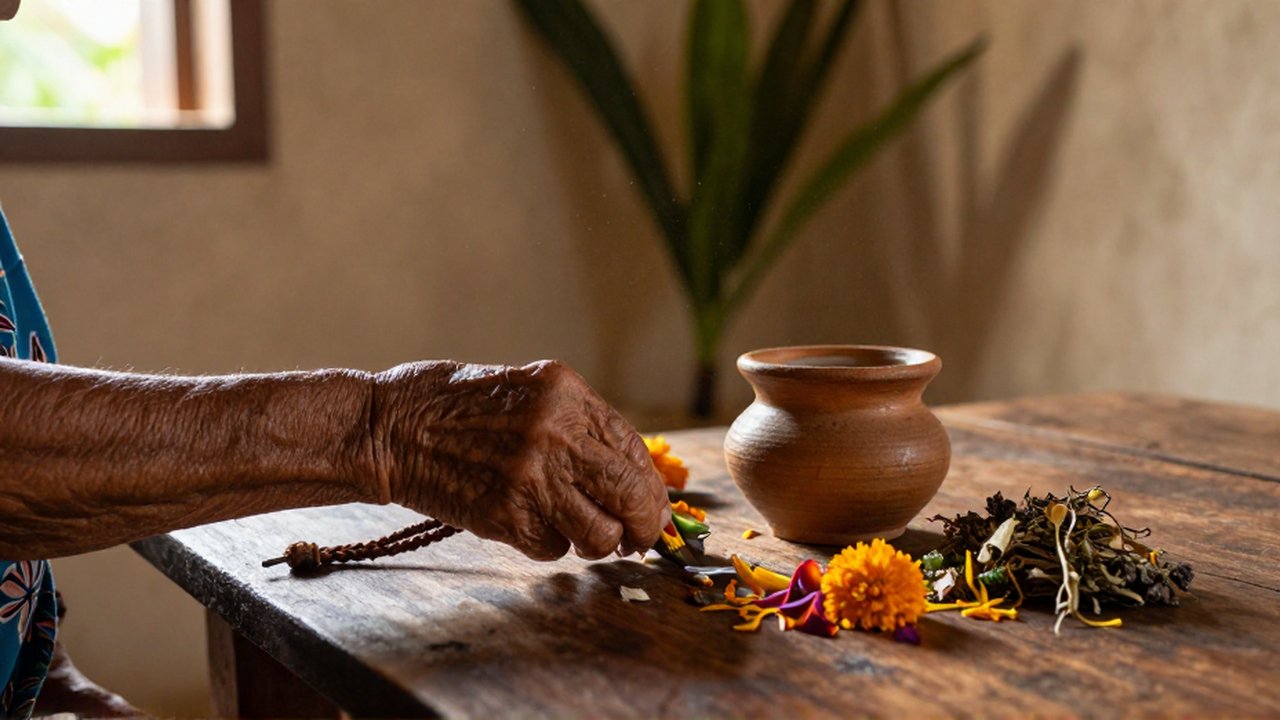
- Folk Medicine: The use of specific herbs, oils, and botanical elements for healing often blends local knowledge with spiritual intentions.
- Community Celebrations: Certain festivals and local traditions carry the stylistic and spiritual echoes of pre-colonial and African-inspired celebrations.
Distinction between Santería and Dominican Vudú
When discussing Afro-Caribbean spirituality in the Dominican Republic, it is crucial to distinguish between different traditions. While Santería (often associated with the Yoruba tradition) is widely recognized, the Dominican Republic has a very distinct and powerful spiritual tradition known as Dominican Vudú (or 21 Divisions). While both share African roots and syncretic elements, they are fundamentally different in practice and structure.
| Feature | Santería Influence | Dominican Vudú |
|---|---|---|
| Primary Origin | Yoruba (West Africa) | Mikis/Central African roots |
| Deity Structure | Orishas | The 21 Divisions |
| Cultural Focus | Broadly Caribbean/Cuban influence | Deeply localized Dominican identity |
| Ritual Style | Focused on specific Orisha lineages | Focused on various “divisions” or spirits |
Understanding this distinction prevents the common mistake of grouping all Afro-descendant spiritualities into a single category, acknowledging instead the specific nuances that make Dominican culture unique.
Social perception and cultural resilience
The role of Santería in Dominican culture is also shaped by how it is perceived by various social sectors. Historically, these practices faced marginalization and stigma due to their non-European origins. However, in recent decades, there has been a growing recognition of these traditions as an integral part of the National Heritage. What was once relegated to the shadows is now studied by anthropologists and celebrated as part of the nation’s diverse cultural mosaic.
This shift represents a movement toward cultural reclamation. For many, practicing or acknowledging these traditions is an act of honoring their lineage and asserting a multifaceted identity that refuses to be defined by a single religious perspective. It demonstrates the resilience of a culture that has successfully integrated diverse influences into a cohesive and living tradition.
Frequently asked questions
Is Santería the same as the religion practiced in the Dominican Republic? No. While Santería has influence, the Dominican Republic has its own distinct Afro-Caribbean tradition known as Dominican Vudú, which operates under different spiritual structures.
How does Santería affect Dominican music? The rhythmic complexity and the use of specific percussion instruments in much of the local music are influenced by the ceremonial drumming used in Afro-diasporic spiritual practices.
Why are Catholic saints used in these traditions? The use of saints is a result of syncretism, where practitioners identified their ancestral deities with Catholic figures to preserve their traditions during periods of religious suppression.
Is these beliefs part of official Dominican culture? While the official state culture is predominantly Catholic, the practices of Santería and Vudú are recognized as vital components of the country’s folklore, history, and cultural identity.



Post Comment