What traditional crafts did Pre-Columbian people use
Introduction
The study of Pre-Columbian crafts offers a vital window into the sophisticated social structures and spiritual beliefs of the indigenous peoples who inhabited the Americas before European contact. These traditional crafts were not merely functional objects for daily survival but were deeply interwoven with religious rituals, social hierarchies, and the natural environment. By examining these artifacts, we gain an understanding of how ancient civilizations utilized their surroundings to create enduring expressions of culture.
Understanding these techniques is essential for anyone interested in the roots of Caribbean and American identity. These crafts served as tools for food preparation, weapons for protection, and sacred implements for communicating with the divine. The mastery of clay, stone, fibers, and gold demonstrates a high level of technical knowledge passed down through generations, forming the foundation of many cultural traditions that still echo in modern craftsmanship.
Ceramic arts and pottery techniques
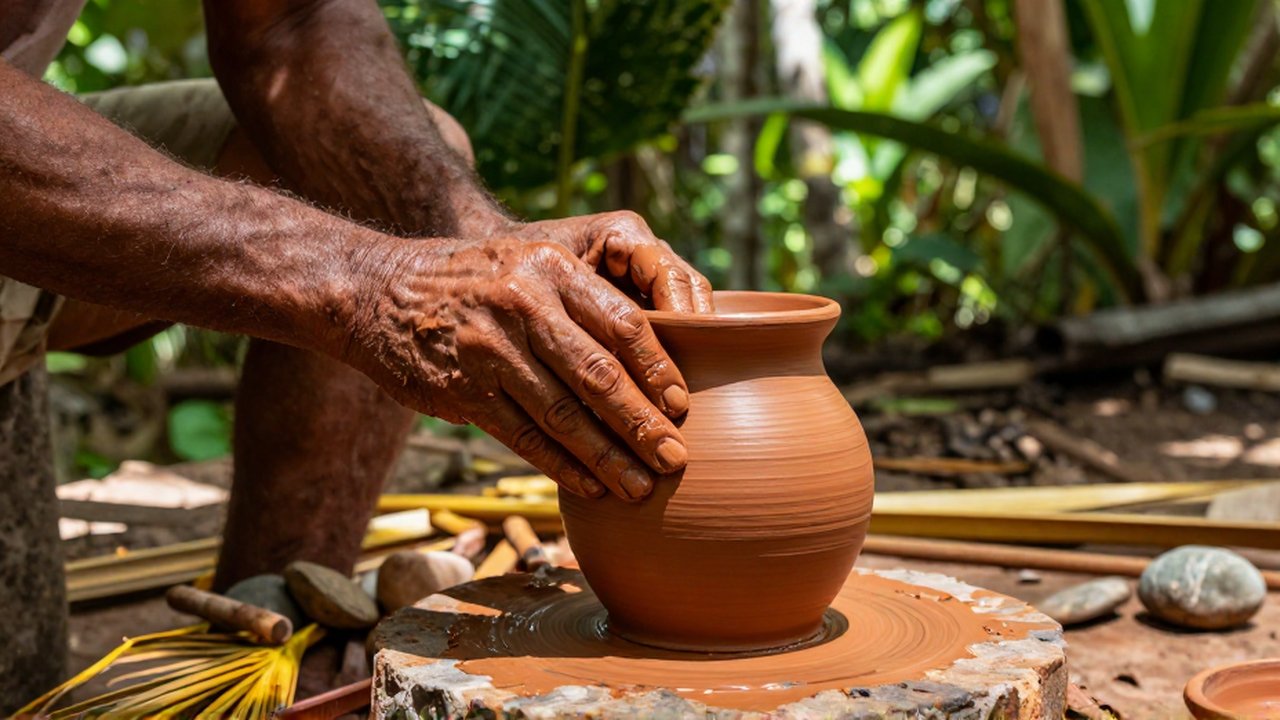
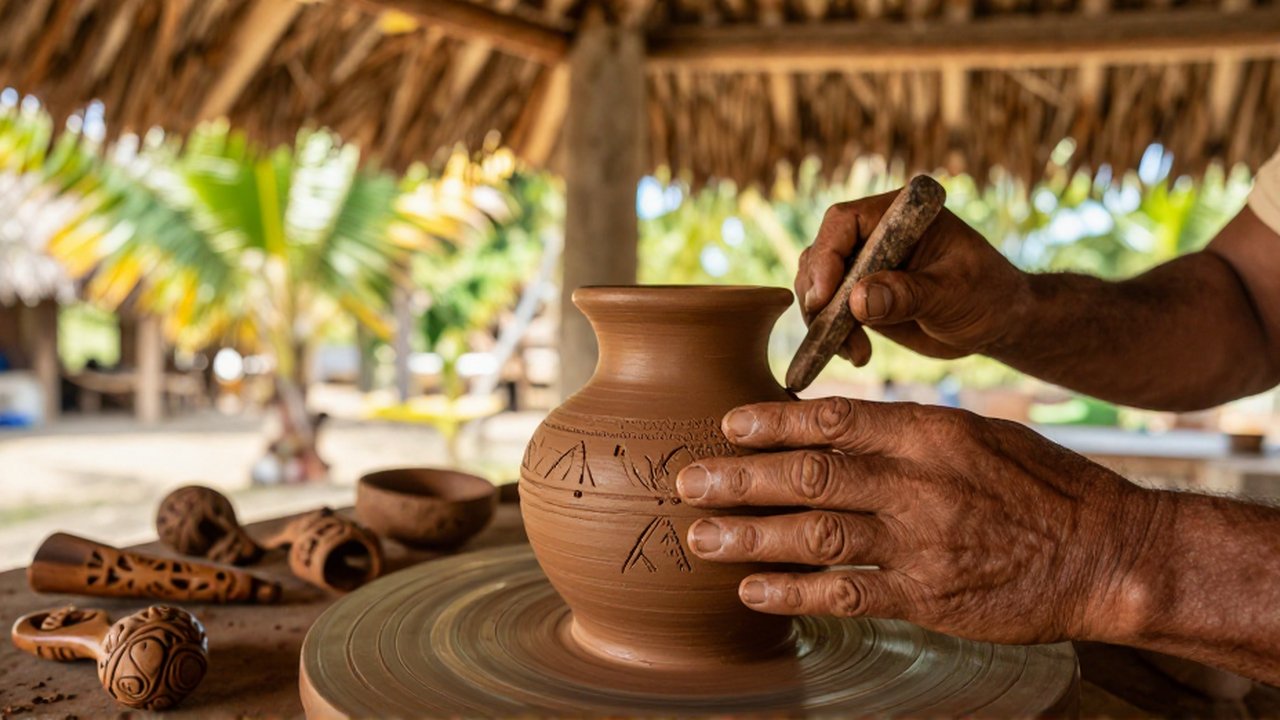
Pottery was one of the most widespread and essential crafts among Pre-Columbian societies, particularly among the Taíno and other indigenous groups in the Caribbean and surrounding mainland areas. Ceramics served a dual purpose: practical utility in the home and symbolic expression in ceremonial settings.
Indigenous potters used locally sourced clays, which they refined through processes of cleaning and tempering. Tempering involved adding materials such as crushed shells, sand, or volcanic ash to the clay to prevent cracking during the firing process. Once the clay was shaped—often using the coil method rather than a potter’s wheel—it was decorated with intricate geometric patterns or zoomorphic figures representing animals like frogs, birds, or lizards.
The utility of these ceramics included:
- Storage vessels: Large, sturdy pots used to hold water, grains, or fermented beverages.
- Cooking wares: Shallow bowls and pots designed to withstand the heat of open fires.
- Ceremonial items: Highly decorated pieces used in religious rites or left as funerary offerings.
Stone carving and lithic tools
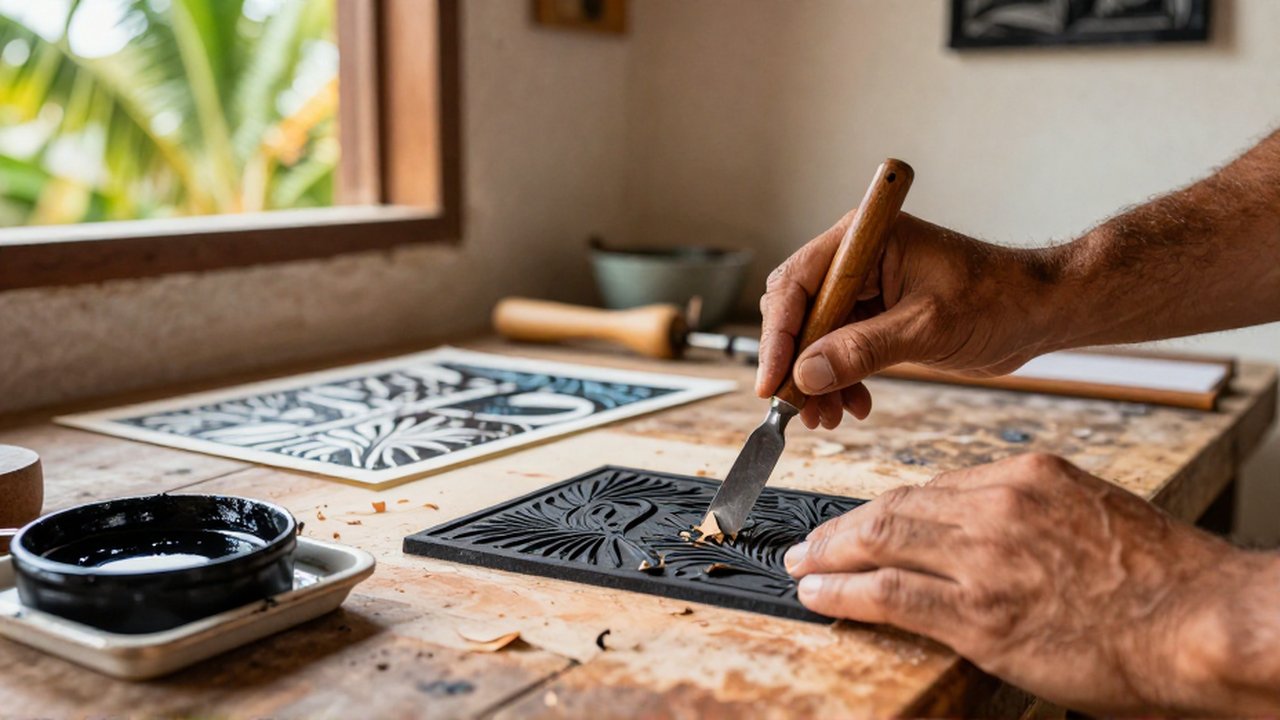
Stone craftsmanship was a cornerstone of Pre-Columbian technology and spirituality. Because metal tools were not the primary medium for many Caribbean groups, the ability to manipulate stone with incredible precision was a highly valued skill. This craft was divided into two main categories: utilitarian lithics and symbolic stone sculpture.
For daily survival, craftsmen produced tools such as axes, scrapers, and grinders. These were essential for woodworking, preparing hides, and processing food like maize or cassava. The durability of these stone tools allowed them to remain effective throughout long periods of use.
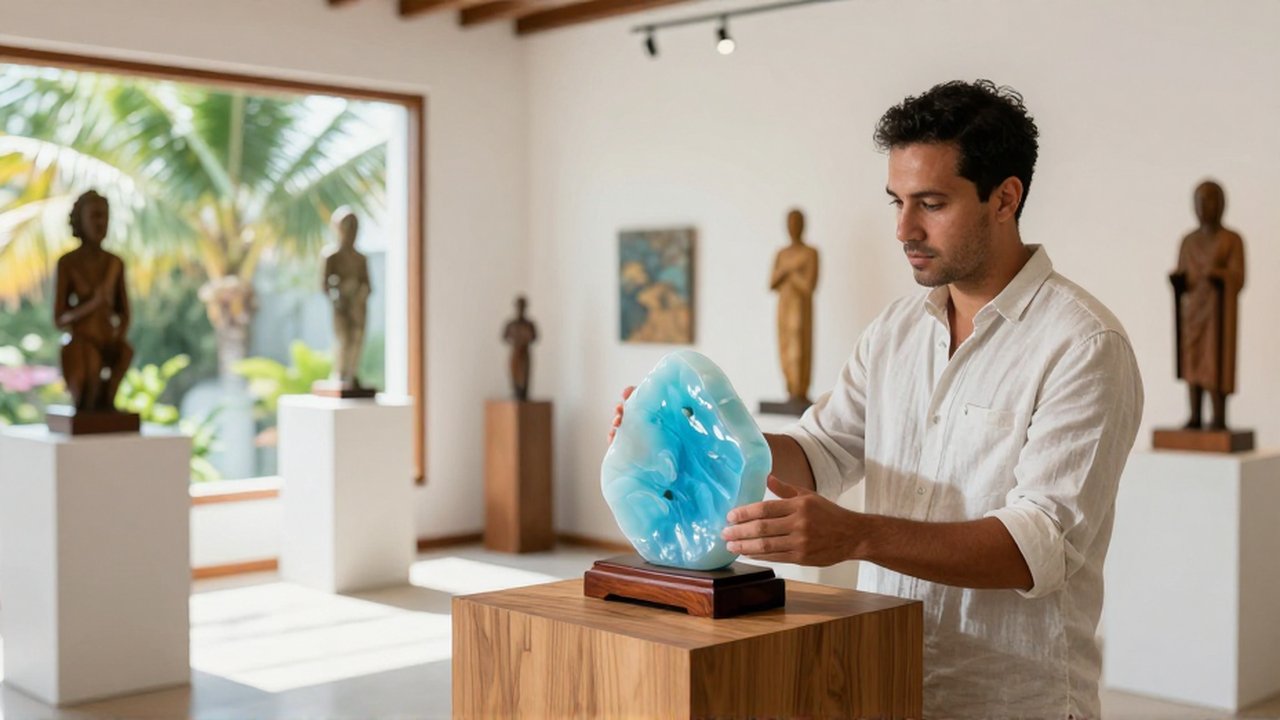
On a more spiritual level, stone carving produced sacred objects known as zemís in certain Caribbean cultures. These were often carved from stone or shaped from shells and represented deities or ancestral spirits. The craftsmanship required to transform a hard, raw stone into a fluid, symbolic figure required an intimate knowledge of mineral properties and specialized percussion techniques.
Textile production and fiber weaving
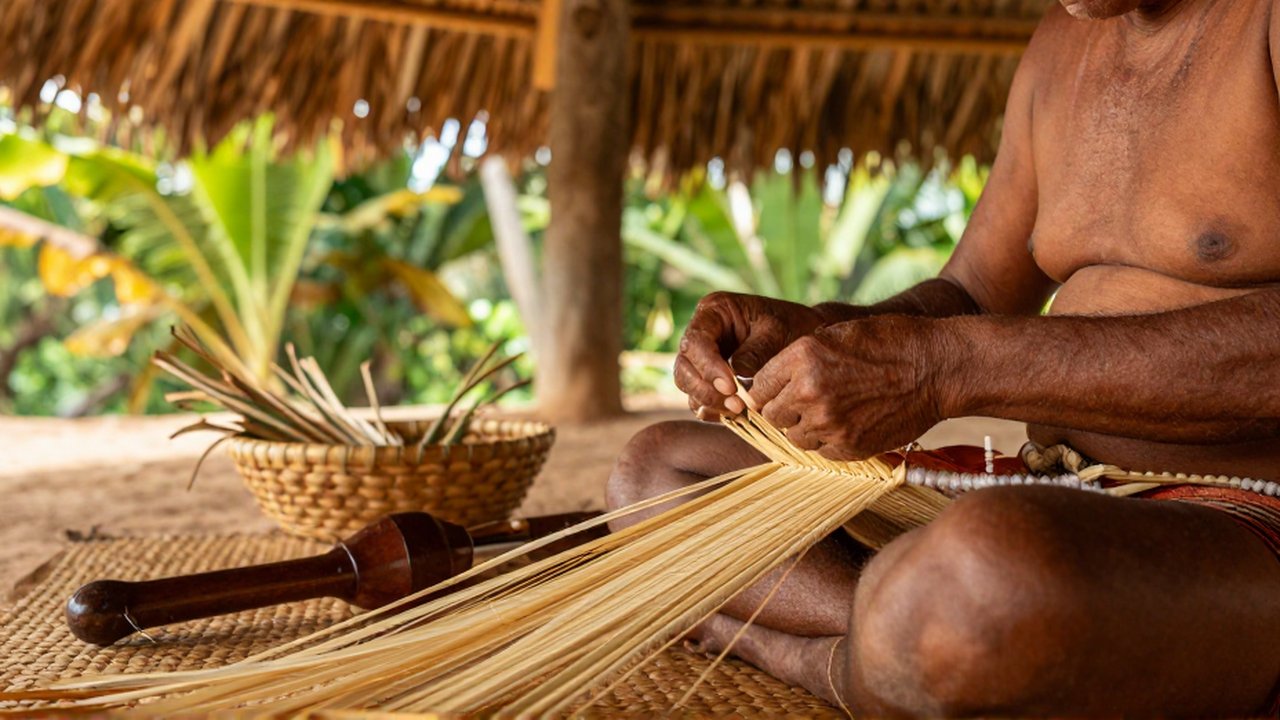
Textiles and fiber arts were fundamental to the daily lives of Pre-Columbian people, providing clothing, shelter, and essential transport materials. Unlike the complex loom-based weaving found in some Andean cultures, many Caribbean and lowland American groups specialized in sophisticated basketry and knotting techniques.
Natural fibers, such as cotton and various plant stalks, were harvested, dried, and spun into threads. These fibers were then used to create:
- Hammocks (Hamacas): One of the most significant innovations, providing a comfortable and elevated sleeping surface.
- Baskets and Sieves: Woven containers used for gathering crops, storing goods, and sifting flour.
- Fishing nets: Essential for maritime societies, these required precise knotting to ensure strength and durability.
- Clothing: Simple but effective wraps and loincloths tailored to the tropical climate.
Jewelry and ornamental metalwork
For many Pre-Columbian civilizations, jewelry and ornamentation were direct indicators of social status and divine connection. While the use of gold was more prominent in mainland civilizations like the Muisca or Inca, various Caribbean and coastal groups also engaged in the creation of exquisite ornaments using gold, copper, and precious stones.
The techniques used in ornamentation were often highly advanced. Cold-hammering was used to create thin sheets of metal, which were then shaped into earrings, pectorals, or nose rings. Some cultures mastered the art of lost-wax casting, allowing for complex, three-dimensional shapes that would be impossible with hammering alone.
In addition to metals, ornamentation included:
- Shell jewelry: Polished shells used for beads and pendants.
- Stone beads: Carefully drilled stones used in necklaces.
- Body painting: While not a permanent “craft,” the application of pigments like annatto (achiote) acted as a vital form of temporary, symbolic ornamentation.
Frequently asked questions
Were all Pre-Columbian groups similar in their crafts? No. Craft traditions varied significantly based on geography and available resources. For example, mountain cultures focused more on stone and heavy textiles, while coastal and island groups specialized in shell work, seafaring tools, and lightweight fiber weaving.
Did these people use the potter’s wheel? Generally, no. Most Pre-Columbian societies, including those in the Caribbean, used hand-building techniques such as coiling, pinching, or using molds to create ceramic vessels.
What materials were most commonly used for tools? Hard stones like basalt, flint, and obsidian were the most common materials for cutting and scraping tools, while wood and bone were used for handles, needles, and smaller implements.
How did they preserve the colors in their crafts? Colors were derived from natural sources. For ceramics, different clays and mineral pigments were used. For textiles and body art, dyes were extracted from plants, insects, and minerals.

Post Comment