History of the Dominican folk song La Chucha
Introduction
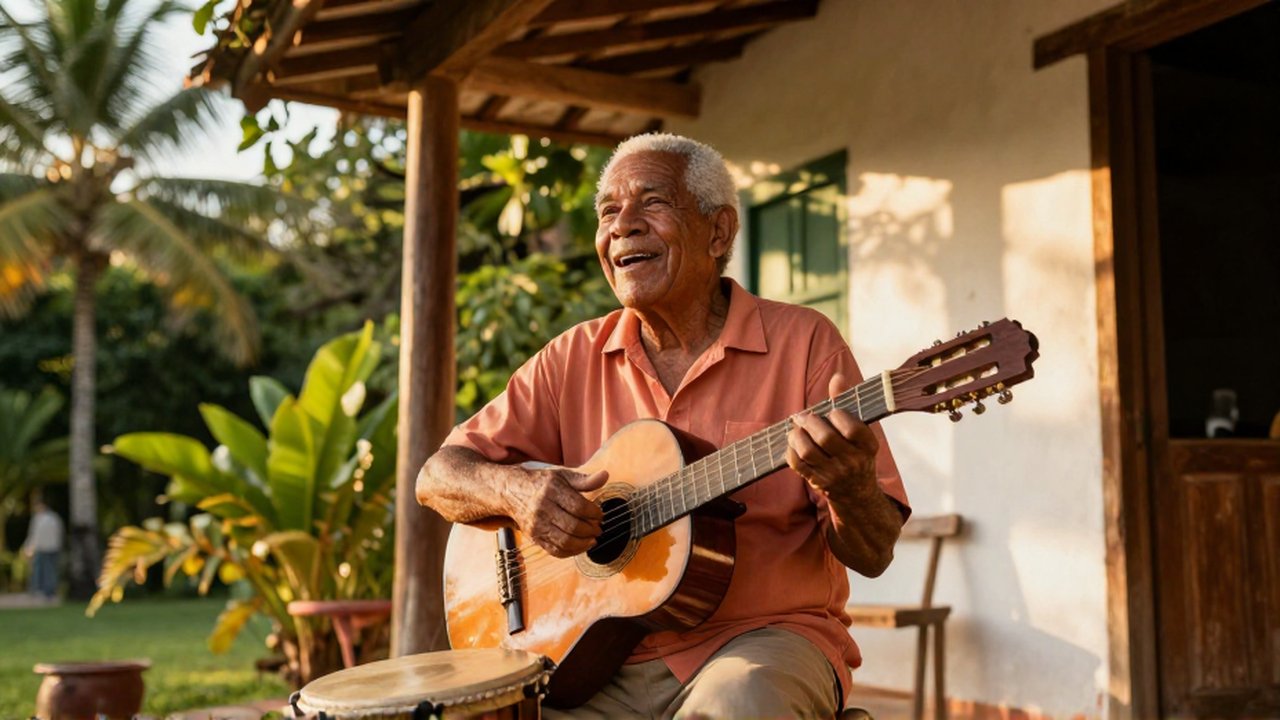
“La Chucha” is a cornerstone of Dominican oral tradition, representing a vibrant piece of folklore that captures the essence of rural social dynamics and musical heritage. As a folk song, it serves as a cultural vessel, transmitting ancestral rhythms, linguistic nuances, and a specific sense of humor that defines the Dominican identity. Understanding this song is essential for anyone looking to grasp how music functions as a tool for community storytelling and social connection in the Caribbean.
The song is more than a mere melody; it is a rhythmic expression used in festivities, gatherings, and communal celebrations. It belongs to a genre of folk music that prioritizes rhythm and lyrical wit over complex orchestration, making it highly accessible and deeply ingrained in the collective memory of the Dominican people. By examining its roots and its evolution, we gain insight into the historical ways in which musical traditions are preserved through generations.
Origins and cultural significance

The exact chronological origin of “La Chucha” remains elusive, as is common with many pieces of oral folklore. Unlike composed works found in sheet music, folk songs like “La Chucha” emerge from the collective creativity of rural communities. They are shaped by the daily lives, struggles, and joys of the people, evolving through repeat performances and slight variations in lyrics and melody.
In the context of Dominican culture, the song serves several vital functions:
- Social Cohesion: It acts as a shared language during community events, bringing people together through collective singing and dancing.
- Oral Preservation: It preserves specific dialects, slang, and rhythmic patterns that might otherwise be lost in more modernized musical genres.
- Identity Formation: By participating in the performance of such songs, individuals reinforce their sense of belonging to a specific cultural lineage.
Musical structure and rhythmic qualities
The musicality of “La Chucha” is defined by its simplicity and its driving, infectious rhythm. Typical of many Dominican folk compositions, the song relies heavily on percussion to dictate the energy of the performance. While modern interpretations might include various instruments, the core of the song is rooted in the syncopated patterns that characterize Caribbean folk music.
The structure often follows a call-and-response pattern or a repetitive melodic loop that allows participants to join in easily. This accessibility is a key characteristic of folk music; it does not require formal training to enjoy or perform. The lyrics are usually characterized by a playful tone, often utilizing double meanings or humorous narratives that resonate with the local sensibility. This combination of rhythmic intensity and lyrical levity makes it a staple for celebratory environments.
Evolution from rural roots to modern recognition
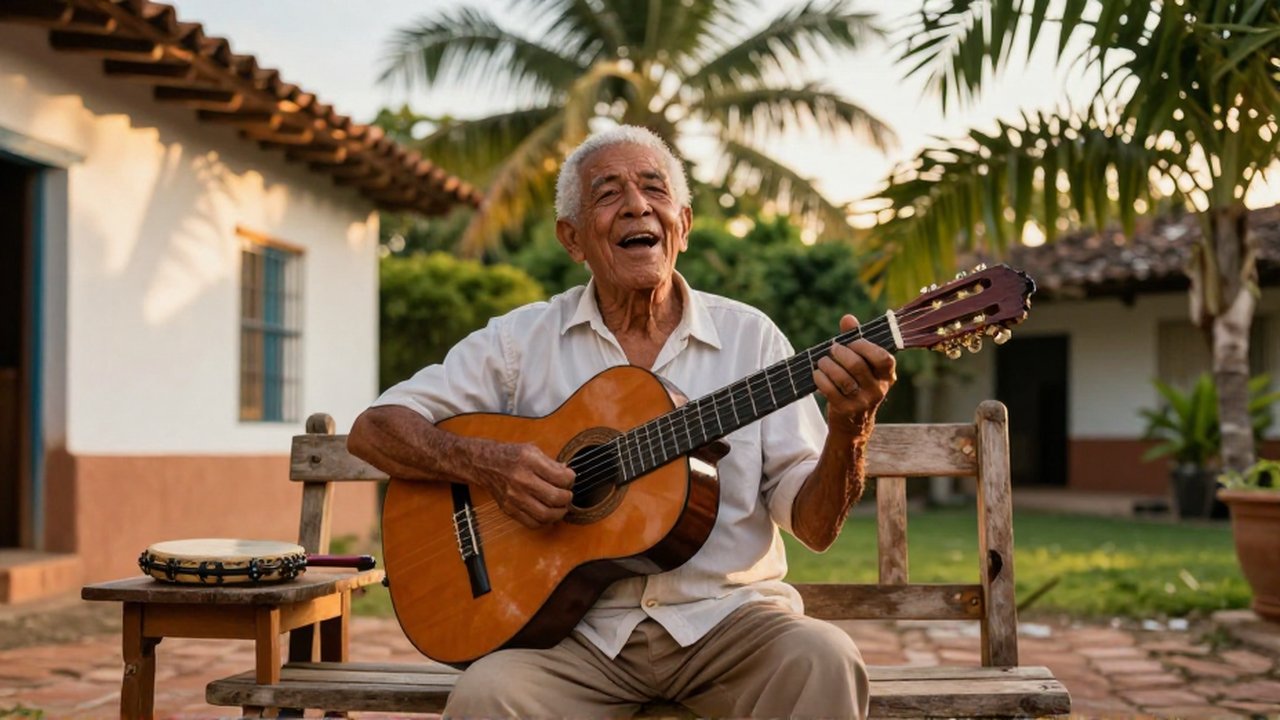
While “La Chucha” began as a localized expression practiced in the countryside, its reach has expanded significantly over the decades. The process of “folklorization”—where a local tradition is documented and recognized as a national symbol—has allowed the song to move from the rural patios to more formal stages.
The transition from oral tradition to recorded media has had several effects:
| Aspect | Traditional Context | Modern Context |
|---|---|---|
| Transmission | Oral repetition and live performance | Digital recordings and media broadcasts |
| Setting | Rural community gatherings | Festivals, stages, and digital platforms |
| Variation | Frequent changes based on performer | More standardized versions for consistency |
| Audience | Local community members | National and international listeners |
This evolution does not necessarily diminish the song’s authenticity. Instead, it ensures its survival in a globalized world where traditional music often competes with contemporary commercial genres.
Preservation of Dominican musical identity
The continued performance of “La Chucha” is a testament to the resilience of Dominican folklore. In an era of rapid technological change, such songs serve as anchors for cultural identity. Educators, musicians, and historians play a crucial role in ensuring that the nuances of the song—its specific rhythms and its linguistic charm—are not diluted by modernization.
To preserve such traditions, it is important to view them not as static museum pieces, but as living, breathing parts of the current culture. When modern Dominican artists incorporate these folk elements into contemporary genres, they create a bridge between the past and the present, ensuring that the heartbeat of the “Chucha” continues to resonate with younger generations.
Frequently asked questions
Is “La Chucha” a religious song? No, it is primarily a secular folk song used for social gatherings, celebrations, and dances rather than for religious ceremonies.
Why does the melody seem so easy to remember? Folk songs like “La Chucha” are designed with repetitive structures and strong rhythmic foundations, which are natural psychological triggers for memory and participation.
Can I find official sheet music for this song? Because it originated as an oral tradition, there is no single “official” version. There are various transcriptions, but they often reflect a specific performer’s interpretation rather than a definitive original.
How does “La Chucha” differ from Merengue? While they share certain Caribbean rhythmic sensibilities, “La Chucha” is a folk song rooted in communal oral tradition, whereas Merengue is a more structured musical genre with specific instrumental configurations and a globalized commercial presence.

Post Comment