The history of Dominican agricultural harvest ceremonies
Introduction
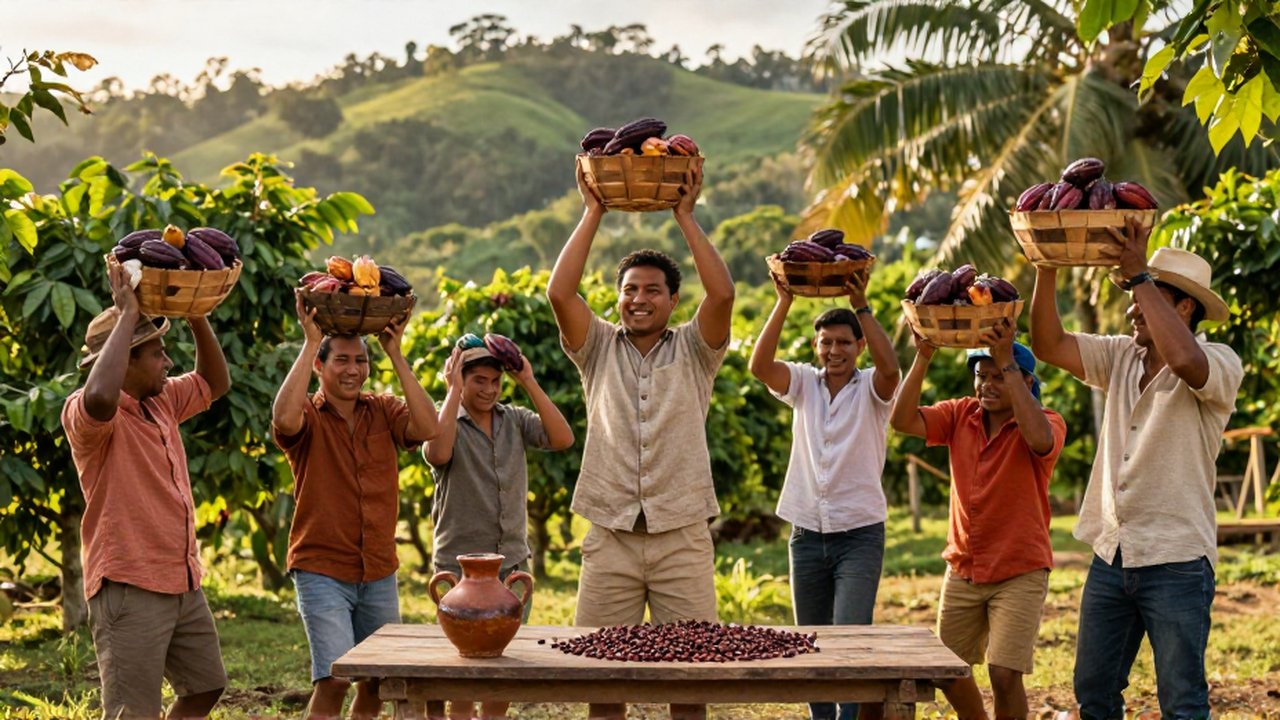
Dominican agricultural harvest ceremonies are profound cultural expressions that celebrate the cyclical relationship between the land and its people. These rituals serve to honor the fertility of the soil, express gratitude for the sustenance provided by nature, and strengthen the communal bonds within rural townships. Historically, these ceremonies have acted as a bridge between the survival of the community and the spiritual acknowledgment of the elements that govern the growing seasons.
Understanding these traditions provides a window into the Dominican identity, showcasing a complex blend of indigenous, African, and European influences. By observing these rituals, one gains insight into how Dominican society has historically organized its labor, managed its resources, and maintained a spiritual connection to the environment. These ceremonies are not merely celebrations of food; they are vital markers of time and cultural continuity that have persisted through centuries of social change.
The cultural roots of harvest traditions

The history of Dominican harvest ceremonies is deeply rooted in the syncretism of various cultural lineages. Before the arrival of Europeans, the Taíno people practiced rituals centered around the cycles of the moon and the cultivation of cassava, or yuca. These early traditions emphasized a profound respect for the earth as a living entity, often involving offerings to deities to ensure a bountiful crop and protection from storms.
With the subsequent arrival of Spanish colonizers and the influx of enslaved African populations, these indigenous practices merged with Catholic liturgical calendars and West African spiritual traditions. This fusion created a unique cultural landscape where agricultural milestones often coincided with religious feast days. Consequently, a harvest celebration in the Dominican Republic is frequently a multifaceted event involving prayer, rhythmic music, and communal dancing, blending the sacred with the secular.
Traditional crops and their ritual significance
Different crops in the Dominican Republic have historically triggered specific communal responses and celebratory behaviors. Because the diet and economy of the rural population were traditionally tied to the land, the maturity of certain plants marked the most important dates in the local calendar.
| Crop Type | Ritual Significance | Common Celebratory Elements |
|---|---|---|
| Root Vegetables (Yuca, Yautía) | Symbol of sustenance and foundational life. | Communal baking of bread and shared meals. |
| Cacao | Represents wealth, social connection, and luxury. | Social gatherings and traditional chocolate preparation. |
| Maize (Corn) | Central to many ancestral rituals and dietary staples. | Use of corn in traditional festive dishes and beverages. |
| Coffee | Linked to the rhythm of labor and social hospitality. | Small-scale community gatherings and seasonal work cycles. |
Common elements of harvest celebrations

While specific rituals may vary from one province to another, certain elements remain consistent across the Dominican agricultural landscape. These elements transform a simple labor milestone into a profound social event.
Communal Labor and Agitacion Historically, the harvest was not an individual task but a collective effort. This sense of “mano prestada” (shared labor) meant that the harvest was accompanied by music and song to maintain morale and rhythm during long hours in the fields.
Religious and Spiritual Synchronicity Many harvest rituals are timed to align with the patron saint festivals of specific towns. It is common to see a procession dedicated to a saint, followed by a traditional feast that utilizes the very crops currently being brought in from the fields.
Gastronomy and Shared Meals The centerpiece of any harvest ceremony is the food. Large-scale communal cooking is a hallmark of these events. Traditional dishes made from fresh, seasonal ingredients are prepared in large quantities to ensure that every member of the community, regardless of social standing, can participate in the feast.
The evolution of rural festivities in the modern era
As the Dominican Republic underwent rapid urbanization and modernization, the nature of agricultural ceremonies began to shift. In many urban centers, the direct connection to the land has weakened, leading to a change in how these rituals are practiced.
In contemporary times, many harvest-themed celebrations have transitioned from strictly functional or spiritual rites into cultural festivals. These festivals are often used to preserve national heritage and promote rural tourism. While the intense spiritual urgency of the ancient rites may have diminished in some areas, the importance of the “fiesta patronal” and local agricultural fairs remains a vital way for Dominican communities to assert their identity and honor their history.
Frequently asked questions
How do these ceremonies affect local community life? These ceremonies act as social glue, bringing together families and neighbors. They reinforce a sense of belonging and provide a structured way for the community to celebrate collective success and resilience.
Are these rituals still widely practiced today? Yes, although they have evolved. While they may no longer be strictly required for survival in the way they were centuries ago, they remain significant elements of local identity, particularly during patron saint festivals and regional agricultural fairs.
What is the main difference between indigenous and modern harvest practices? Indigenous practices were more directly tied to animistic spiritualism and specific local deities, whereas modern practices are a syncretic blend of Catholic traditions, social celebration, and cultural preservation.


Post Comment