Benefits of practicing traditional Dominican calligraphy
Introduction
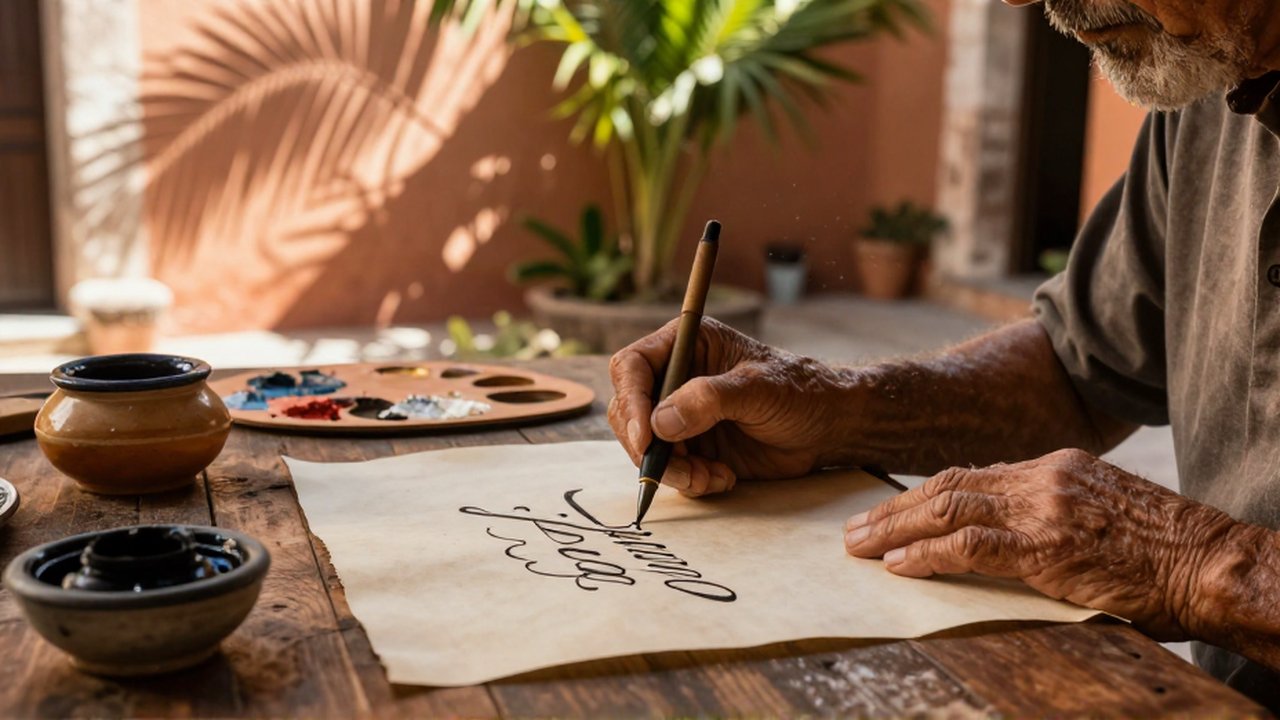
Traditional Dominican calligraphy is a specialized form of artistic writing that blends historical script styles with the unique cultural rhythms of the Caribbean. This practice involves the careful use of specific tools and ink strokes to create decorative letters that reflect the nation’s rich heritage and visual identity. It serves as a bridge between historical manuscript traditions and modern artistic expression, allowing practitioners to preserve a sense of cultural continuity through the written word.
Engaging in this art form is particularly meaningful for those looking to connect with Dominican history or for artists seeking a meditative, disciplined approach to handwriting. As digital communication becomes increasingly dominant, practicing calligraphy offers a way to slow down and focus on the tactile beauty of craftsmanship. It is an ideal pursuit for students of history, art enthusiasts, and anyone interested in the intersection of fine motor skills and cultural preservation.
Cognitive and psychological advantages of calligraphy
Practicing calligraphy is more than just a visual exercise; it is a mental discipline that offers significant psychological rewards. The process requires intense concentration and a steady hand, which naturally promotes a state of mindfulness. When a practitioner focuses on the pressure of the pen, the flow of the ink, and the geometry of the character, they enter a flow state that can reduce stress and anxiety.
Beyond emotional regulation, the practice enhances cognitive functions. Calligraphy demands spatial awareness and an understanding of rhythm and proportion. Developing these skills strengthens the connection between the mind and the hand, improving fine motor coordination and visual-perceptual skills. This disciplined repetition helps in sharpening attention to detail, a trait that benefits many other areas of life and professional work.
Connection to Dominican cultural identity
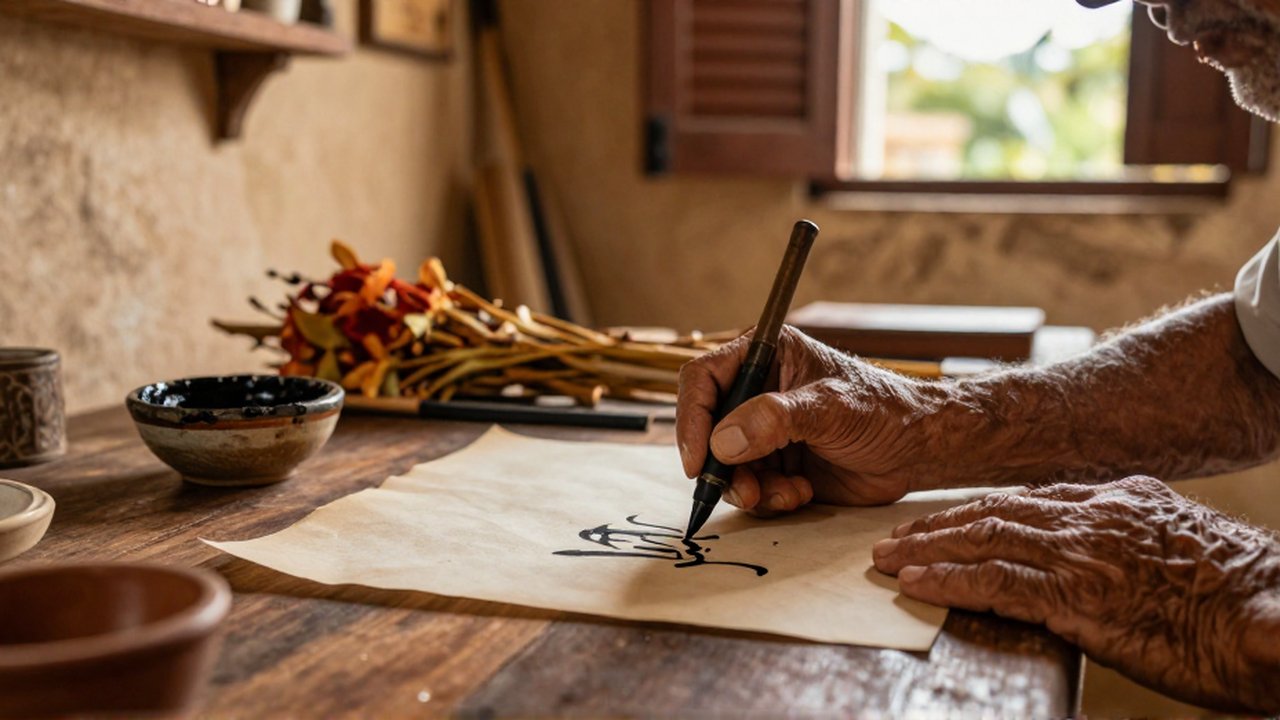
One of the most profound benefits of studying this specific style of calligraphy is the deep sense of cultural grounding it provides. Dominican calligraphy is not a vacuum; it is influenced by the diverse historical threads that have shaped the island, from colonial influences to local creative interpretations. By practicing these specific strokes and letterforms, an individual participates in a living history.
Practicing these traditional methods allows for a unique form of storytelling. An artist can use calligraphic elements to decorate documents, poems, or artworks that celebrate Dominican themes, such as folklore or national symbols. This creates a visual language that is uniquely tied to the identity of the Dominican Republic, ensuring that these aesthetic traditions are not lost to time but are instead revitalized by new generations.
Artistic and technical skill development
For the aspiring artist, calligraphy serves as a foundational pillar for broader creative endeavors. The technical mastery required to control ink and nib provides a level of precision that is highly transferable to other disciplines, such as illustration, graphic design, and painting.
The technical benefits include:
- Mastery of pressure control: Learning how much pressure to apply to create thick or thin lines is essential for various drawing styles.
- Improved spatial reasoning: Understanding how letters interact within a margin or a frame teaches composition and balance.
- Tool proficiency: Working with traditional nibs, brushes, and inks teaches a sense of material science and the nuances of different mediums.
- Rhythmic consistency: Developing a consistent “hand” helps in creating cohesive visual works.
Comparison of traditional and modern writing methods

To understand the value of calligraphy, it is helpful to look at how it differs from standard modern writing. While modern writing focuses on speed and efficiency, calligraphy focuses on aesthetics and intention.
| Feature | Modern Handwriting | Traditional Dominican Calligraphy |
|---|---|---|
| Primary Goal | Speed and legibility | Beauty and expression |
| Focus | Information transfer | Artistic presentation |
| Pace | Rapid and continuous | Slow and deliberate |
| Tool Use | Standard pens/pencils | Specialized nibs and inks |
While modern writing is a tool for communication, calligraphy is a tool for art. The benefit lies in the ability to switch between these modes—using calligraphy to add a layer of prestige and soul to written messages that standard handwriting cannot provide.
Common mistakes to avoid in calligraphy practice
New practitioners often encounter hurdles that can lead to frustration. Avoiding these common pitfalls is essential for steady progress:
- Rushing the process: Attempting to write too quickly ruins the rhythmic flow and leads to inconsistent stroke widths.
- Neglecting posture: Poor seating or incorrect grip can lead to physical fatigue and hand cramps.
- Incorrect tool maintenance: Using dried ink or damaged nibs results in a poor experience and can damage the paper.
- Overcomplicating strokes: Beginners often try to perform complex flourishes before mastering basic letterforms.
Frequently asked questions
Do I need expensive tools to start? While professional-grade inks and nibs are beneficial, you can begin learning the fundamentals with basic calligraphy pens and quality paper to understand the movement before investing in premium materials.
How much time should I dedicate to practice? Consistency is more important than duration. Practicing for twenty minutes every day is generally more effective for muscle memory than practicing for several hours once a week.
Is calligraphy a solitary activity? While it is a meditative and solitary practice, many artists find community by sharing their work in cultural groups or online forums dedicated to traditional scripts.
Can calligraphy be used in modern graphic design? Yes, many designers incorporate calligraphic elements into digital branding and typography to provide a sense of authenticity and handcrafted quality.


Post Comment