Where to find traditional Dominican sculpture galleries
Introduction
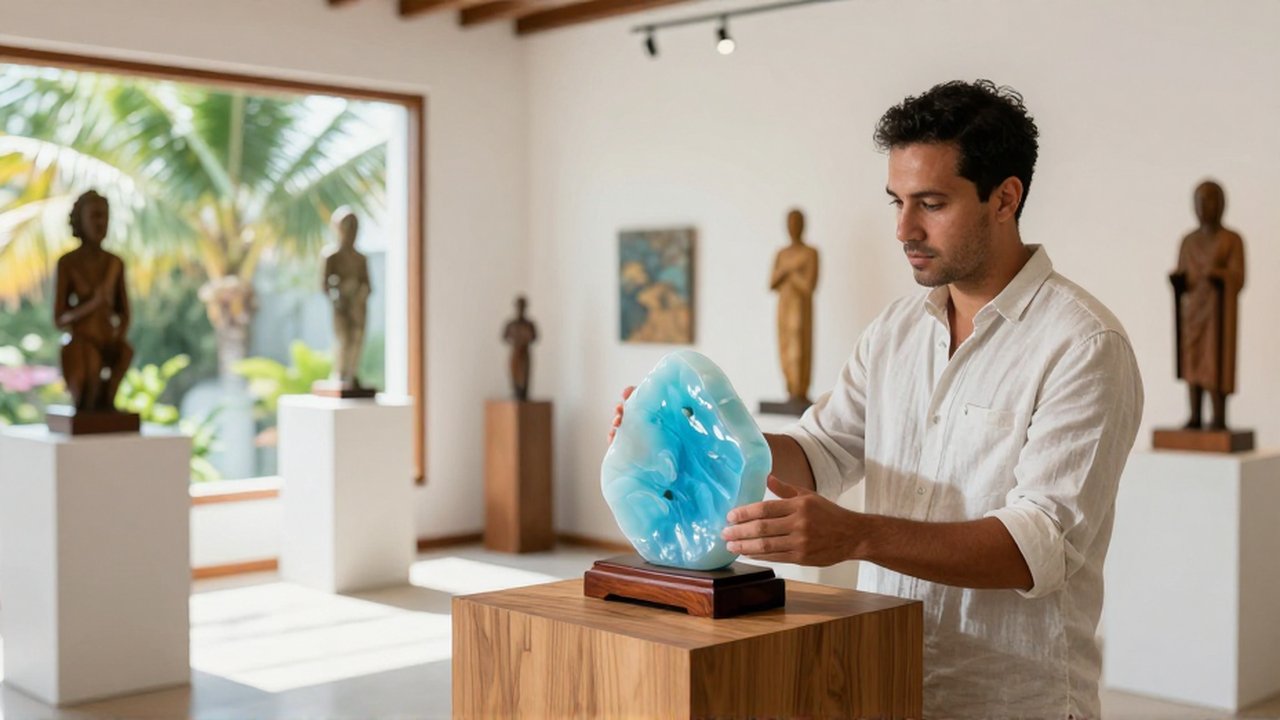
Dominican sculpture is a profound expression of the nation’s complex identity, blending African, European, and indigenous influences into tangible forms. For collectors, art enthusiasts, and travelers, locating galleries that specialize in traditional Dominican sculpture is essential to understanding the island’s aesthetic evolution. These spaces serve as vital repositories for works carved from local materials, such as Larimar stone, mahogany, and various tropical hardwoods, capturing the spirit of Dominican folklore and daily life.
Finding these galleries requires an understanding of where the cultural heartbeat of the country resides. While many modern art spaces focus on contemporary painting, specialized sculpture galleries are often tucked away in historic districts or clustered around major cultural institutions. Knowing where to look ensures that visitors connect with authentic artisans rather than mass-produced souvenirs, preserving the integrity of the Dominican sculptural tradition.
Major cultural centers in Santo Domingo
The capital city, Santo Domingo, serves as the primary hub for high-quality Dominican sculpture. Because it houses the country’s most significant museums and academic institutions, the concentration of professional galleries is highest here. Visitors should focus their search on the Zona Colonial, the historic heart of the city. This area is home to numerous boutique galleries that bridge the gap between traditional craftsmanship and fine art.
In the Colonial Zone, many galleries specialize in religious iconography and wood carvings that reflect the Spanish colonial influence. However, you will also find spaces dedicated to more secular themes, such as the representation of rural life and Afro-Dominican symbols. Beyond the street-side galleries, the Museum of Modern Art often hosts rotating exhibitions that feature significant sculptural works, providing a more formal context for these pieces.
Artistic hubs in the northern regions

Moving away from the capital, the northern region, particularly around Santiago de los Caballeros, offers a different perspective on Dominican sculpture. Santiago is a center for commerce and industry, but it also maintains a deep respect for traditional woodworking. The galleries in this region often feature larger-scale pieces and heavy wood sculptures that utilize the region’s abundant natural resources.
While Santo Domingo is better for finding historical and colonial-style pieces, Santiago and its surrounding areas are excellent for discovering master carvers who work with tropical hardwoods. The art scene here is deeply connected to the local economy of craftsmanship, meaning you are more likely to find works that represent the rugged, pastoral strength of the Cibao Valley.
Specialized galleries for Larimar and stone carving
One of the most unique aspects of Dominican sculpture is the use of Larimar, a rare blue pectolite found only in the Dominican Republic. Because this stone is so specific to the island, galleries specializing in stone sculpture are often found in or near the southern provinces, particularly around Barahona.
When searching for stone sculpture galleries, look for those that emphasize “lapidary art.” These spaces are distinct from traditional woodcarving galleries. They focus on:
- Small-scale figurines: Intricate carvings of birds, sea life, or human figures.
- Abstract forms: Sculptures that play with the natural veins and colors of the Larimar stone.
- Mixed media: Pieces that combine stone with silver or wood.
Tips for identifying authentic sculpture galleries

Not all retail spaces selling “art” are true sculpture galleries. To ensure you are finding authentic works that hold cultural and artistic value, consider the following criteria:
- Artist Provenance: A reputable gallery should be able to provide the name of the artist and the specific technique used.
- Material Authenticity: Genuine traditional sculpture relies on local materials like mahogany, cedar, or Larimar. Be cautious of pieces that appear to be resin or plastic imitations of stone.
- Exhibition Space: A true gallery will have dedicated space to display the three-dimensional nature of the work, rather than simply stacking items on shelves.
- Cultural Context: Professional galleries often provide information regarding the folklore or historical significance behind the subject matter being sculpted.
Common mistakes to avoid when visiting galleries
A frequent mistake among visitors is confusing souvenir shops with sculpture galleries. Souvenir shops focus on volume and accessibility, often selling mass-produced items that lack the soulful touch of a master artisan. While these may be fine for small tokens, they do not represent the true depth of Dominican sculptural art.
Another error is neglecting the importance of the material. In the pursuit of a specific aesthetic, some buyers may overlook the quality of the wood or stone. For instance, certain types of wood are more prone to cracking if not treated correctly for different climates. Always inquire about the care and maintenance of the sculpture to ensure its longevity in your own environment.
Frequently asked questions
How can I tell if a sculpture is truly traditional? Traditional sculpture usually follows established cultural motifs, such as depictions of rural workers, religious figures, or local fauna, and is crafted using manual tools and natural local materials.
Is it better to buy sculpture in Santo Domingo or in smaller towns? Santo Domingo offers a wider variety of professional galleries and historical context, while smaller towns like Barahona are better for finding specialized stone carvings and direct contact with mineral-focused artisans.
What materials are most common in Dominican sculpture? The most prevalent materials are tropical hardwoods (such as mahogany and cedar) and Larimar stone.
Should I bring a certificate of authenticity when buying high-end sculpture? Yes, when purchasing significant pieces from professional galleries, always request documentation that identifies the artist, the material used, and the gallery’s guarantee of authenticity.

Post Comment