Differences between oil and acrylic in Dominican art
Introduction
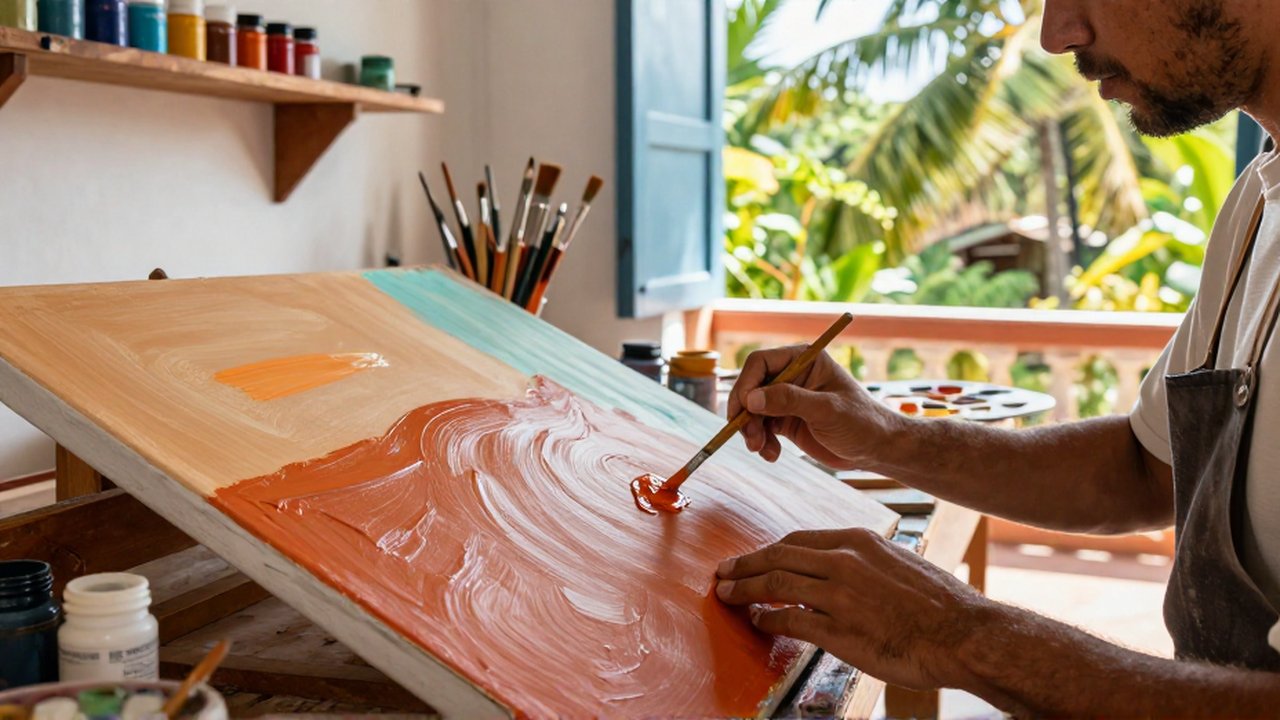
Understanding the distinction between oil and acrylic paints is essential for anyone studying the visual landscape of Dominican art. These two mediums offer vastly different sensory experiences, technical requirements, and aesthetic outcomes, shaping how local artists capture the vibrant colors and textures of the Caribbean. Choosing between them dictates not only the speed of the creative process but also the longevity and stylistic direction of the final masterpiece.
In the context of Dominican artistry, the choice of medium often reflects the artist’s environment, intention, and subject matter. While oil painting has a deep historical connection to classical portraiture and fine art traditions, acrylics have revolutionized contemporary Dominican expression due to their versatility and rapid drying times. This guide explores the fundamental differences between these mediums to help enthusiasts and students appreciate the technical nuances found in Dominican galleries and studios.
Core characteristics of oil and acrylic paints

The primary difference between oil and acrylic lies in their chemical composition and drying mechanisms. Oil paints consist of pigments suspended in a drying oil, such as linseed oil. This composition allows for a slow drying process, giving artists hours or even days to blend colors seamlessly on the canvas. In Dominican art, this longevity is often utilized in highly detailed works where subtle transitions of light and shadow are required to depict tropical landscapes or historical figures.
Acrylic paints, conversely, are water-based mediums where pigments are suspended in an acrylic polymer emulsion. They dry extremely quickly through evaporation. Once dry, acrylics become a flexible, water-resistant plastic layer. This makes them ideal for many modern Dominican artists who work in fast-paced environments or wish to layer colors quickly without waiting for previous layers to cure. The ability to use water to thin the paint allows for effects ranging from heavy impasto to delicate, watercolor-like washes.
Visual impact and color behavior
Artists in the Dominican Republic often aim to capture the intense, saturated light of the Caribbean. The way these two mediums handle color is a critical decision in that pursuit. Oil paints possess a natural depth and luster due to the refractive index of the oil. This creates a “glow” from within the paint layers, which is particularly effective for capturing the rich skin tones or the deep blues of the Atlantic Ocean. However, oil paints can undergo “color shift” as they dry, meaning the hue may change slightly from its wet state.
Acrylics offer a different visual profile. While they provide incredible vibrancy and high pigment loads, they tend to dry slightly darker than they appear when wet. This characteristic requires the artist to have a keen eye for color calibration. However, acrylics are masters of opacity and flat color application. For contemporary Dominican works that utilize bold, graphic shapes or abstract patterns, the matte or satin finish of acrylics provides a modern, crisp aesthetic that oil cannot easily replicate.
Technical requirements and studio environment

The practical application of these mediums determines the type of workspace an artist needs. Oil painting is a rigorous process that requires solvents, such as turpentine or mineral spirits, to thin the paint and clean brushes. Due to the fumes associated with these solvents, a well-ventilated studio is mandatory. In the humid climate of the Dominican Republic, artists must also be mindful of how humidity affects the drying time of oils, which can sometimes be slowed significantly by moisture in the air.
Acrylic painting is much more accessible and “cleaner.” Since it is water-based, only water is needed for thinning and cleaning. This makes acrylics a preferred choice for students, emerging artists, or those working in multi-purpose studio spaces. The rapid drying time of acrylics also allows for a much faster workflow, permitting the artist to build complex textures and layers in a single session. However, the quick drying can be a challenge for those attempting to achieve the smooth, long-lived blends characteristic of traditional oil techniques.
Comparison of permanence and durability
| Feature | Oil Paint | Acrylic Paint |
|---|---|---|
| Drying Time | Very slow (days to weeks) | Very fast (minutes to hours) |
| Blending Ability | Excellent for smooth gradients | Limited due to quick drying |
| Solvent Needs | Requires oils and solvents | Uses water |
| Visual Depth | High natural luster and depth | Modern, can be matte or glossy |
| Flexibility | Can crack if applied incorrectly | Highly flexible once dry |
In the long term, both mediums can be extremely durable if handled with professional care. Oil paintings are susceptible to yellowing over many decades if not protected by a proper varnish, and they require a “fat over lean” approach to prevent cracking. Acrylics are chemically stable and highly resistant to environmental changes, making them quite resilient in tropical climates, though they lack the traditional “old master” depth that collectors often seek in classical oil works.
Frequently asked questions
Which medium is better for beginners in Dominican art? Acrylics are generally recommended for beginners because they are easier to clean, less toxic, and allow for quick mistakes to be corrected by simply painting over them once dry.
Can I mix oil and acrylic paints on the same canvas? It is highly recommended not to mix them in layers. A standard rule is “oil over acrylic,” as acrylic is a stable base. An oil layer should never be applied over an acrylic layer that hasn’t been properly prepared, and you should never apply acrylic over oil, as the acrylic will not adhere to the oily surface and will eventually peel.
How does the tropical climate affect these paints? High humidity can slow the drying time of oil paints even further, while the heat in the Dominican Republic can cause acrylic paint to dry even faster on the palette, requiring the use of “retarders” to maintain workability.
Is one medium more expensive than the other? While initial costs vary, oil painting often becomes more expensive due to the need for additional supplies like solvents, specialized oils, and high-quality primed canvases designed to withstand the acidity of oil.

Post Comment