What are the most common Dominican breakfast foods
Introduction
Dominican breakfasts are much more than a simple morning meal; they are a hearty, flavorful cornerstone of the nation’s cultural identity. Rooted in a blend of Taíno, African, and Spanish influences, these dishes are designed to provide sustained energy for a day of work and activity. Understanding the staples of a Dominican morning allows one to appreciate the deep connection between the island’s agricultural bounty and its daily social rituals.
A typical breakfast in the Dominican Republic often features a balance of complex carbohydrates, proteins, and fresh fruits. Whether enjoyed in a bustling city cafe or a quiet rural home, the components remain remarkably consistent. Common ingredients such as plantains, eggs, cheese, and beans serve as the foundation for a variety of combinations that vary slightly by region but always maintain a comforting, soulful character.
Essential staple ingredients in Dominican mornings

To understand what constitutes a standard breakfast, one must first recognize the fundamental ingredients that appear on almost every table. Unlike many Western breakfasts that rely heavily on processed cereals or pastries, Dominican cuisine emphasizes whole, natural foods.
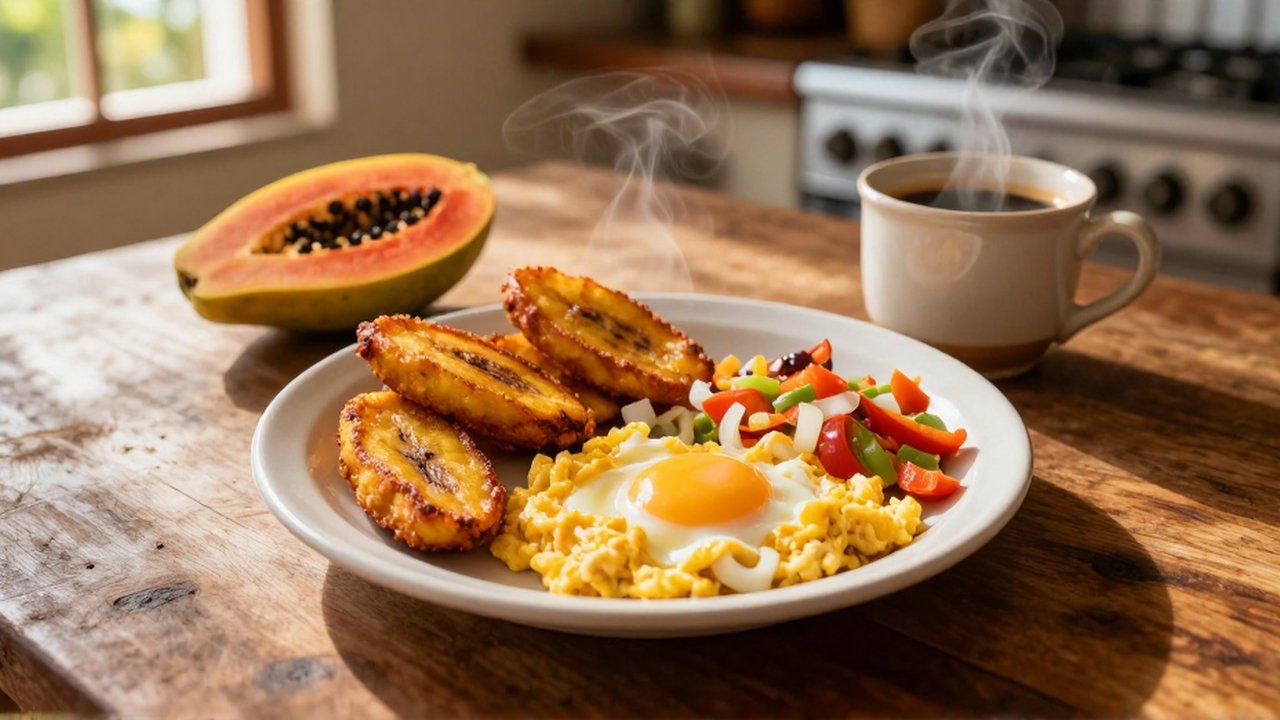
Plantains and Bananas Plantains (plátanos) are arguably the most important component. They are rarely eaten raw and are typically boiled, fried, or mashed. Green plantains provide a starchy, neutral base, while ripe plantains offer a sweet contrast.
Eggs and Dairy Eggs are a versatile protein source, often scrambled with vegetables or served alongside heavy starches. Dominican cheese is a distinct cultural marker; it is typically a white, salty, semi-hard cheese that holds its shape when fried, providing a savory element to the meal.
Legumes and Fats Red kidney beans are a frequent accompaniment, often served as a side or integrated into stews. Fats, particularly vegetable oils used for frying and butter for sautéing, are essential for achieving the traditional textures of the dishes.
Popular breakfast combinations and dishes
Dominican breakfast foods are often categorized by how the ingredients are prepared and combined. While some people prefer a light start, many opt for heavy, savory plates.
Mangú with the Los Tres Golpes The most iconic Dominican breakfast is known as Los Tres Golpes (The Three Hits). This meal consists of a large serving of Mangú, which is mashed green plantains seasoned with butter and a splash of vinegar or lime juice to maintain a smooth texture. It is served with three specific components: fried eggs, fried salami, and fried Dominican cheese. This combination provides a perfect balance of salt, fat, and carbohydrates.
Revoltillo and Arepas For those seeking something slightly lighter but still traditional, revoltillo (scrambled eggs mixed with tomatoes, onions, and peppers) is a staple. This is frequently paired with arepas de maíz (cornmeal cakes) or fried yuca. While arepas in other Caribbean cultures may differ, the Dominican version is often corn-based and provides a soft, comforting texture.
Breakfast Sandwiches and Salami In urban environments and quick-service settings, fried Dominican salami is often served in bread or alongside boiled tubers. The salami is seasoned and deeply savory, making it an ideal fuel for people on the move.
Common breakfast pairings and beverages

A complete meal experience in the Dominican Republic is often rounded out by specific beverages that complement the heavy, savory nature of the food.
| Beverage | Description and Usage |
|---|---|
| Café con Leche | Strong, dark coffee mixed with hot milk. This is the most ubiquitous breakfast drink. |
| Fresh Fruit Juices | Juices made from seasonal tropical fruits like passion fruit (chinola), watermelon, or orange. |
| Chocolate Caliente | A thick, spiced hot chocolate, often prepared with cinnamon, which is a traditional comfort drink. |
Tips for enjoying traditional breakfast
If you are experiencing these foods for the first time, there are a few cultural nuances to keep in mind to enhance your enjoyment.
- Embrace the acidity: When eating Mangú, ensure there is enough lime or vinegar in the mash. The acidity cuts through the starchiness and brightens the flavor.
- Texture matters: Traditional Dominican cheese should be fried until the exterior is golden and slightly crisp, while the interior remains soft.
- Balance your portions: Because these meals are very high in carbohydrates and fats, they are best enjoyed when paired with a fresh fruit component or a light juice to balance the palate.
Frequently asked questions
Is Mangú eaten sweet or savory? Mangú is primarily a savory dish. While the plantains themselves are neutral when green, they are seasoned with salt, butter, and an acidic element like lime or vinegar to create a savory mash.
What is the difference between a plantain and a banana in Dominican cooking? In Dominican breakfasts, plantains are used as a primary starch and are almost always cooked (boiled or fried). While ripe bananas can be used for sweetness, the “Mangú” specifically requires green plantains to achieve the correct texture.
Can I find these breakfast foods in hotels? Yes, most hotels in the Dominican Republic offer these traditional items as part of their breakfast buffet, though they may be presented in a more modernized or lighter format than what is served in local households.
Is Dominican breakfast considered heavy? Yes, compared to many international breakfast standards, Dominican breakfast is quite substantial and calorie-dense, intended to provide long-lasting energy for the day.


Post Comment