What are the main differences between flag versions
Introduction
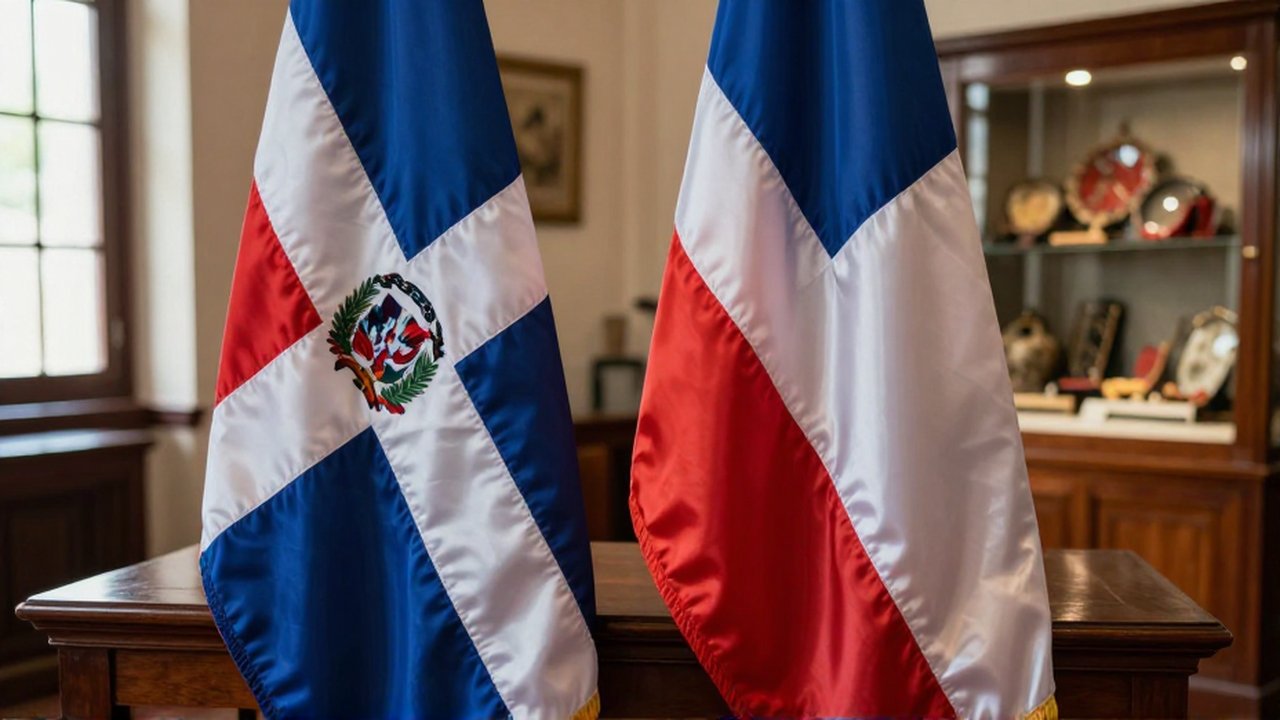
Understanding the nuances between different versions of a national flag is essential for anyone studying vexillology, history, or national symbolism. While a flag serves as a singular emblem of identity, it often undergoes subtle transformations due to changes in manufacturing technology, artistic interpretation, or formal legislative updates. Recognizing these differences ensures that the symbol is used with respect and accuracy, particularly in official, academic, or ceremonial contexts.
The variations observed in flag versions typically arise from specific technical or stylistic shifts rather than fundamental changes in meaning. These discrepancies can range from the precision of the proportions and the specific shade of colors used to the stylistic rendering of central emblems. For the Dominican Republic, understanding these nuances is crucial, as the flag possesses unique elements—such as a central coat of arms—that can be represented in several ways depending on the intended use.
Historical evolution and design changes
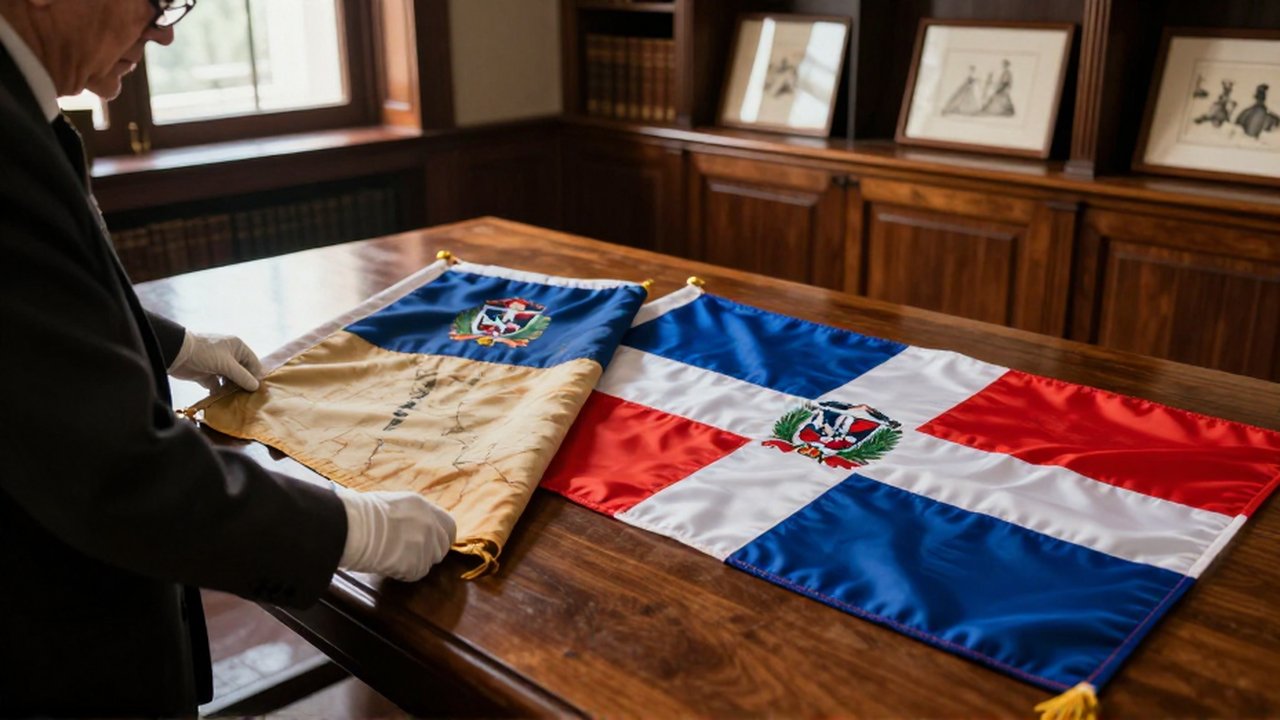
Flags are not static objects; they are living symbols that evolve alongside the nations they represent. Over time, a flag might undergo a “version change” because the design is standardized to ensure consistency across all government buildings and international institutions. These updates are often driven by the need for modern clarity or to correct historical inconsistencies in the original drawings.
In many cases, a version change is not a replacement of the old identity but a refinement. For instance, a flag might transition from a hand-drawn aesthetic to a mathematically precise geometric design. This historical progression helps researchers distinguish between “historical versions” used during specific eras and the “current official version” used in modern diplomacy.
Technical specifications and color profiles
One of the most common differences between flag versions lies in the technical application of color and geometry. What may look like a simple difference in shade is often the result of moving from traditional pigment-based standards to digital color profiles like Pantone or CMYK.
- Color Accuracy: Different versions may use varying shades of blue, red, or white. While the symbolic meaning of the color remains the same, the specific hexadecimal or Pantone code might be updated to ensure the flag looks identical whether it is printed on silk, nylon, or displayed on a digital screen.
- Proportions and Ratios: Some versions of a flag may follow a 2:3 ratio, while others might use a 3:5 ratio. These mathematical differences affect how the flag appears when it is flying in high winds or when it is scaled down for small desktop icons.
- Emblem Detail: In flags containing complex symbols, such as the Dominican Republic’s coat of arms, the level of detail varies significantly. Official versions used for government purposes feature high-resolution, detailed iconography, while simplified versions are created for mass production or small-scale embroidery.
Differences between ceremonial and civilian versions

It is a common mistake to assume that there is only one way to display a national flag. In reality, most nations utilize different versions tailored to specific environments.
| Feature | Official/Ceremonial Version | Civilian/Commercial Version |
|---|---|---|
| Detail Level | High; contains intricate heraldry and fine lines. | Simplified; focuses on bold shapes and colors. |
| Intended Use | Government buildings, military parades, embassies. | Home decor, sports events, retail merchandise. |
| Complexity | High; often requires specialized printing or embroidery. | Low; designed for easy and cheap mass production. |
| Symbolic Rigor | Strictly follows constitutional or legal design laws. | Follows general visual recognition for ease of use. |
The ceremonial version is the “gold standard” of the national symbol. It is designed to be viewed closely and with reverence. Conversely, the civilian version is optimized for visibility from a distance or for ease of manufacturing, which often means some of the finer details of the central emblem are omitted to prevent the design from looking cluttered or “muddy” when printed on cheaper fabrics.
Common mistakes in flag representation
When working with different flag versions, certain errors frequently occur that can diminish the dignity of the symbol. The most frequent mistake is using a simplified commercial version in a formal setting where a high-detail official version is required. This is often seen in digital presentations or at diplomatic functions where a low-resolution graphic is used instead of a proper vector file.
Another error involves the misinterpretation of color shades. Using a shade of blue that is too dark or too light can inadvertently change the perceived mood of the flag, even if the intent was to represent the nation correctly. Ensuring that the specific requirements of the flag’s official protocol are met is the best way to avoid these issues.
Frequently asked questions
Why does the emblem in the center look different on different flags? The appearance of the emblem varies based on the version’s purpose. Official versions use highly detailed heraldic art, while simplified versions use streamlined shapes to ensure the symbol is recognizable even when printed on small or low-quality materials.
Is there a difference between a digital flag and a physical flag? Yes. Digital versions are optimized for screens using light-based color models (RGB), while physical flags use ink or dyed threads (CMYK/Pantone). This can cause slight shifts in how much “vibrant” or “deep” the colors appear to the eye.
Can I use a simplified flag for official documents? It is generally recommended to use the most accurate, high-resolution version of the flag for any formal or official documentation to maintain the integrity and respect of the national symbol.
How can I identify the official version of a flag? The official version is typically defined by national laws or government decrees. These documents specify the exact proportions, color codes, and the precise geometry of the symbols contained within the flag.




Post Comment