Key differences between Merengue and Bachata movements
Introduction
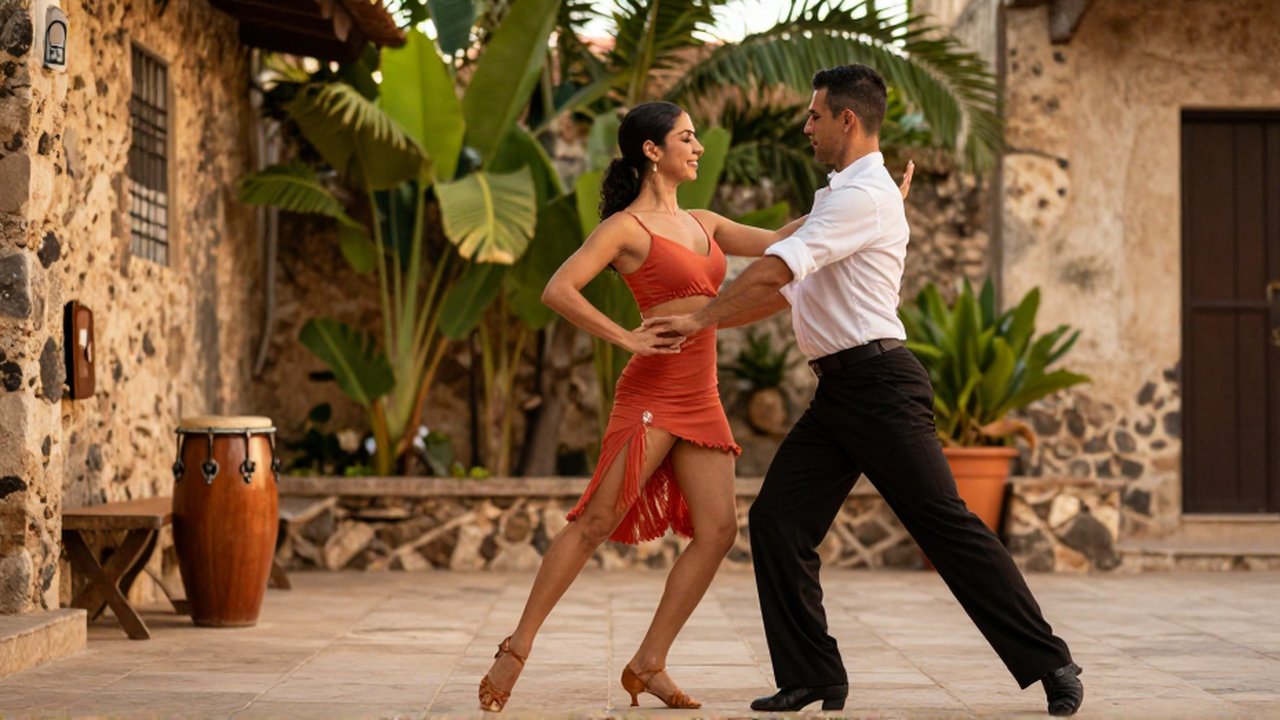
Understanding the physical nuances between Merengue and Bachata is essential for anyone looking to authentically engage with Dominican dance culture. While both genres originate from the Dominican Republic and are staples of Latin social dancing, they rely on distinct rhythmic structures that dictate how a dancer moves their body. Mastering these differences allows a person to switch seamlessly between the high-energy, rhythmic drive of Merengue and the sensual, melodic flow of Bachata.
Recognizing these distinctions is more than just a technical skill; it is a way to respect the cultural soul of each rhythm. Merengue is often characterized by its constant, driving pulse, while Bachata is defined by its specific emphasis on the fourth beat. By learning to differentiate the weight shifts, hip actions, and footwork patterns, dancers can avoid the common mistake of applying one style’s mechanics to the other, ensuring a more expressive and accurate performance.
Rhythmic foundation and timing
The most fundamental difference between these two dances lies in the musical time signature and the pulse that governs the feet. Merengue is played in a steady 2/4 time, which creates a continuous, marching-like rhythm. Because the beat is consistent and driving, the movement feels linear and repetitive, acting as a constant engine for the dance. There is rarely a pause in the momentum; the dancer stays “on the beat” with a continuous step-step-step pattern.
Bachata, conversely, operates on a 4/4 time signature with a very specific syncopation. While Merengue is a continuous march, Bachata is a sequence of three steps followed by a distinctive tap or “pop” on the fourth beat. This fourth beat is the heartbeat of Bachata movement. Dancers must internalize this pause and accent to ensure the movement does not become a generic four-step walk. The rhythm of Bachata is more cyclical and allows for more nuanced pauses and melodic expression.
Hip action and body mechanics
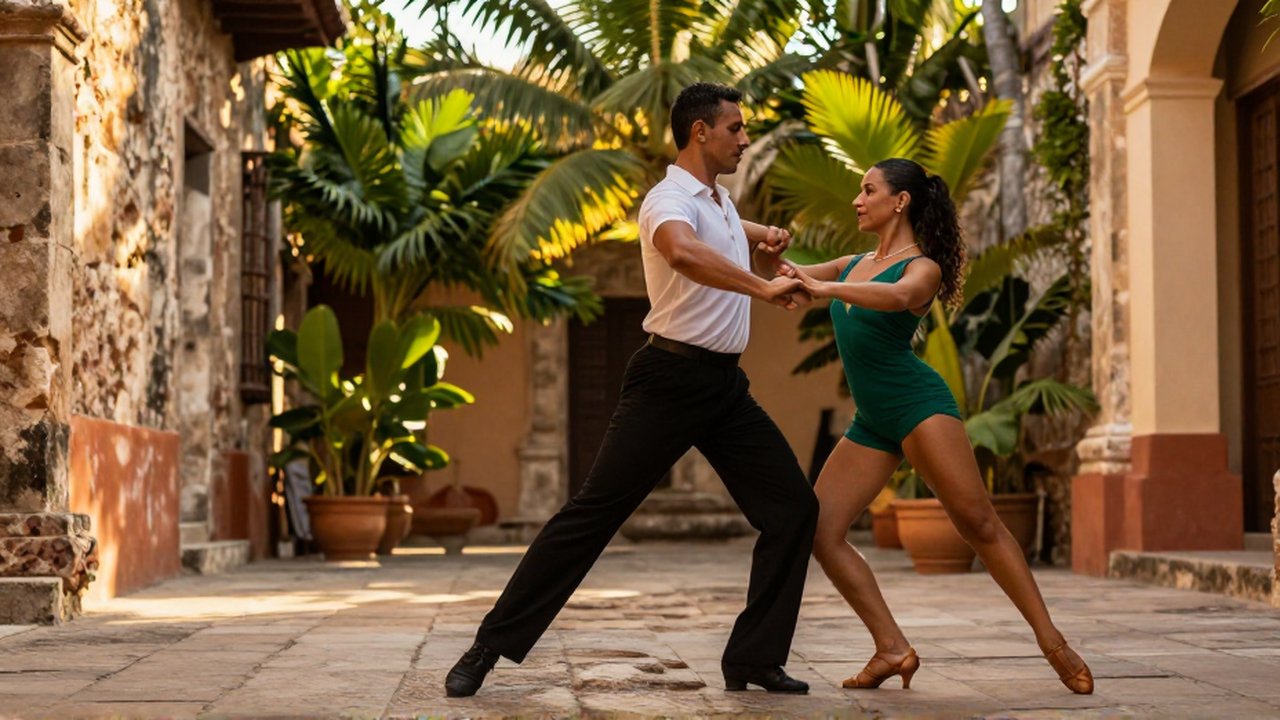
The way the hips react to the music is arguably the most visible distinction between the two styles. In Merengue, the hip movement is a byproduct of the “marching” step. As the weight shifts from one foot to the other, the hip on the weighted side naturally moves outward or upward. This creates a vigorous, oscillating motion that is often quite pronounced. The movement is driven from the knees and the rhythmic transfer of weight, resulting in a bouncy, energetic appearance.
Bachata hip movement is more controlled and is explicitly tied to the accentuation of the fourth beat. In many styles of Bachata, the hip movement is most noticeable during the tap on the fourth beat, where a slight lateral movement or “flick” occurs. Unlike the continuous oscillation of Merengue, Bachata hip action is often more fluid, sensual, and grounded. The dancers focus on a controlled transfer of weight through the first three steps, culminating in a rhythmic highlight that characterizes the genre’s emotive nature.
Footwork and spatial patterns
The footprint left by a dancer on the floor differs significantly in terms of complexity and intention. Merengue footwork is generally straightforward, focusing on a side-to-side or forward-and-back marching motion. Because the rhythm is so driving, it is often used in social settings to fill the dance floor with high energy, moving quickly around the room. The complexity in Merengue usually comes from how the upper body interacts with the legs rather than intricate foot patterns.
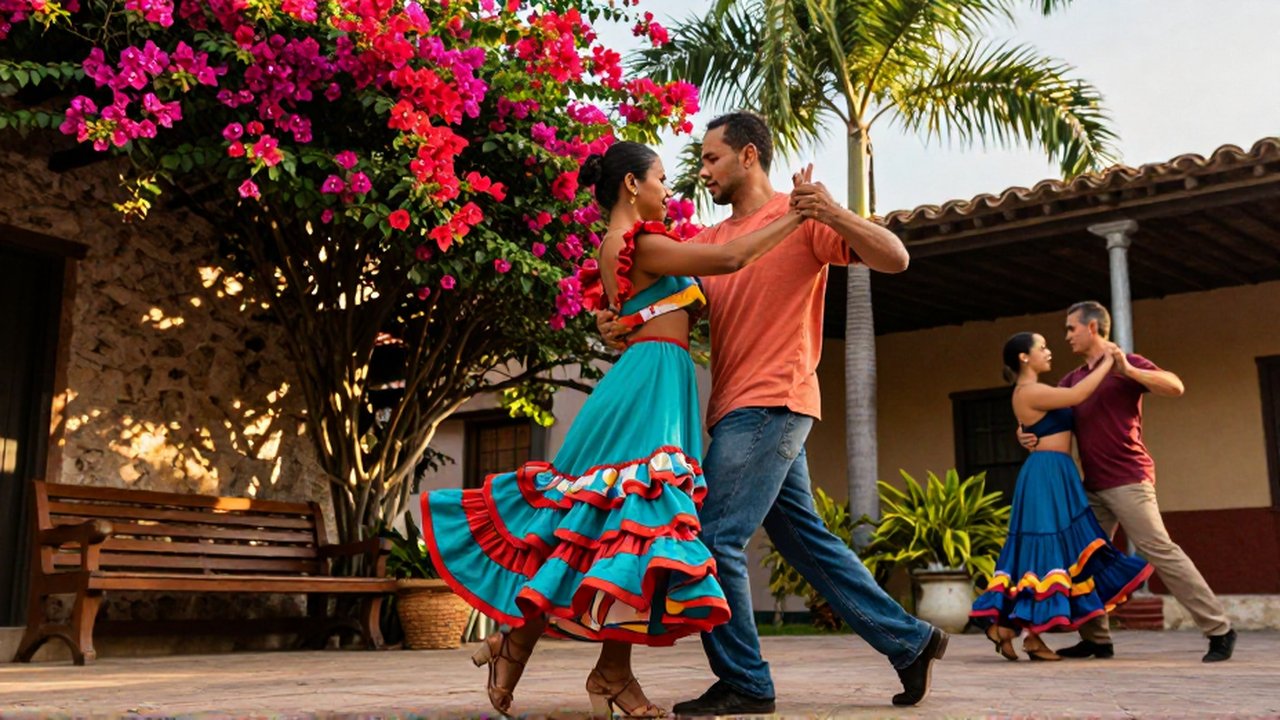
Bachata footwork offers a wider range of technical complexity, especially in modern social styles. While the basic step is a simple side-to-side or forward-and-back pattern, the emphasis on the fourth beat allows for various flourishes, such as heel leads, side taps, or complex syncopated steps. Additionally, Bachata often involves more intricate connection and close-proximity movement between partners compared to the more vertical and energetic spacing typically seen in Merengue.
Comparative summary of movements
| Feature | Merengue Movement | Bachata Movement |
|---|---|---|
| Rhythmic Base | Constant 2/4 march | 4/4 with a 4th beat accent |
| Hip Motion | Continuous oscillation | Accentuated on the 4th beat |
| Dance Energy | High, bouncy, and driving | Sensual, fluid, and melodic |
| Primary Focus | Weight transfer and momentum | Rhythmic timing and expression |
Common mistakes in stylistic execution
A frequent error for beginners is attempting to dance Bachata with the “march” of Merengue. This results in a loss of the characteristic Bachata “pop” on the fourth beat, making the dance feel flat and rhythmically incorrect. Conversely, dancers often try to apply the slow, sensual swaying of Bachata to Merengue, which fails to capture the necessary energy and pulse required to match the fast-paced percussion of the music.
Another common mistake is neglecting the knees. In Merengue, a slight bend in the knees is vital to facilitate the characteristic hip swing. In Bachata, if the knees are too stiff, the dancer will lose the ability to execute the smooth, fluid transitions and the subtle accentuates that make the dance expressive. Maintaining the correct tension in the legs is a prerequisite for mastering both styles.
Frequently asked questions
Can I use Merengue steps while listening to Bachata? No, because the timing is different. Merengue follows a continuous pulse, whereas Bachata requires a specific pause or tap on the fourth beat. Using Merengue steps on Bachata music will make you appear off-beat.
Which dance is harder to learn for beginners? Merengue is generally considered easier to pick up because of its straightforward marching rhythm. Bachata requires more precise timing, specifically regarding the accentuation of the fourth beat and more nuanced hip control.
Do Merengue and Bachata use the same connection between partners? While both can be danced in close or open positions, the “feel” is different. Merengue connection tends to be more energetic and bouncy to match the tempo, while Bachata connection is often more controlled and emphasizes the melodic flow.
Is the hip movement in Merengue intentional? Yes, although it is a result of the weight transfer and knee action, the hip movement is a key aesthetic component of the dance that reflects the rhythmic driving force of the music.



Post Comment