What defines the Dominican magical realism genre
Introduction
Magical realism in Dominican literature is a unique stylistic approach where the supernatural, the mythical, and the fantastic are woven seamlessly into the fabric of everyday reality. Unlike pure fantasy, where magic operates under its own set of rules in a separate realm, magical realism presents extraordinary events as ordinary occurrences within a realistic, often historical, setting. This genre serves as a vital tool for Dominican authors to explore the complexities of national identity, the influence of ancestral myths, and the lingering shadows of historical trauma.
Understanding this genre is essential for readers who wish to grasp the deeper psychological and sociological layers of Caribbean storytelling. It allows for the expression of truths that traditional realism might struggle to capture, particularly when dealing with the coexistence of diverse cultural legacies. By blurring the lines between the seen and the unseen, Dominican magical realism offers a profound way to interpret the island’s history, its spiritual traditions, and its multifaceted social landscape.
Core characteristics of the genre

The defining feature of Dominican magical realism is the “normalization of the marvelous.” In these narratives, a character might encounter a ghost or witness a storm of flowers, and neither the character nor the narrator reacts with shock. This lack of astonishment is what distinguishes the genre from the Gothic or the horror genres; the supernatural is not a disruption of reality but an extension of it.
Another pillar of this style is the heavy influence of folkloric and syncretic traditions. The Dominican Republic possesses a rich tapestry of beliefs—blending African, European, and Taíno influences—that naturally integrate the spiritual world into daily life. Authors use these cultural elements to give weight to their narratives, using myths to explain social phenomena or to provide a voice to those marginalized by history.
Furthermore, the genre is often characterized by a non-linear perception of time. Instead of a straight chronological progression, time in these novels often moves in circles, repeats itself, or collapses entirely. This structural choice reflects a worldview where the past is never truly gone, but lives alongside the present, influencing every modern action and decision.
Differences between Dominican and Latin American magical realism
While Dominican magical realism shares roots with the broader Latin American “Boom” movement, it maintains distinct nuances. While authors from other regions might focus on the vastness of jungles or the solitude of remote villages, Dominican writers often ground their magical elements in a more localized, historical context, frequently touching upon the tensions between rural traditions and urban transitions.
| Feature | General Latin American Magical Realism | Dominican Magical Realism |
|---|---|---|
| Theme Focus | Often explores existential solitude and vast landscapes. | Frequently explores national identity, colonization, and local folklore. |
| Setting | Can be mythical or untethered from specific history. | Often deeply rooted in the specific historical turning points of the island. |
| Cultural Root | Broadly Indigenous and Colonial influences. | Strong emphasis on Afro-Caribbean syncretism and religious coexistence. |
The role of history and memory
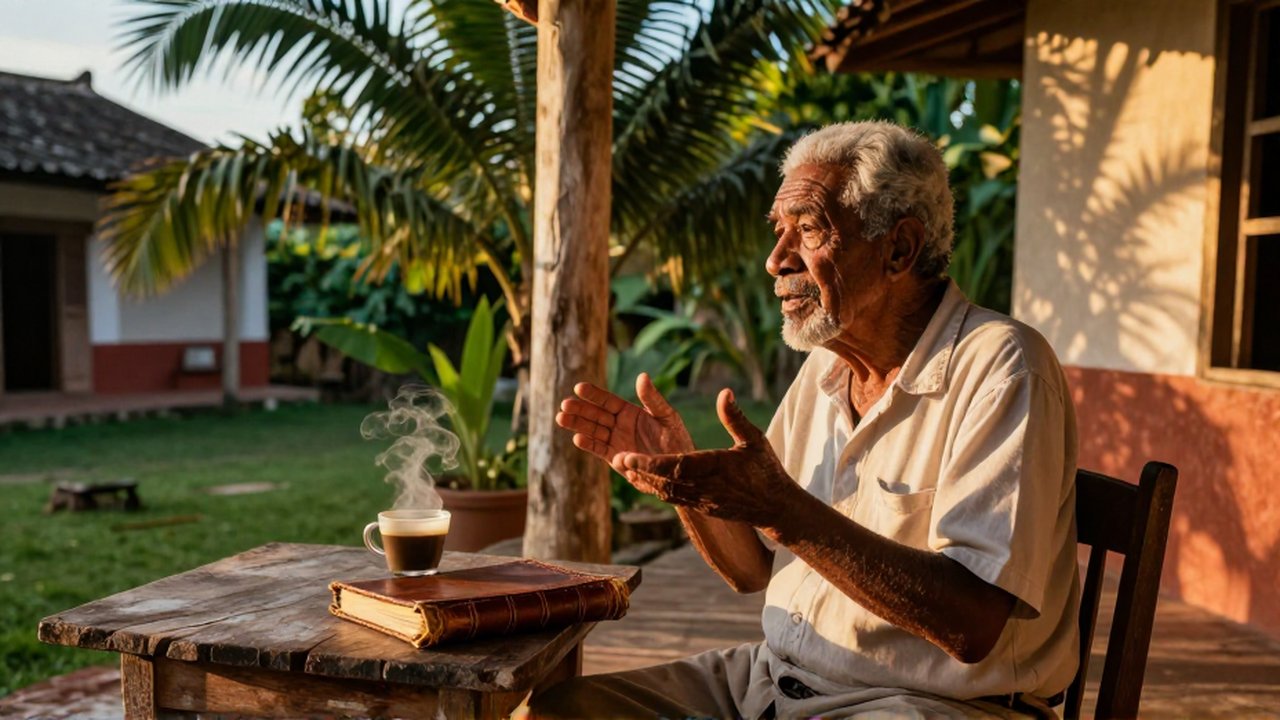
In Dominican literature, magical realism is rarely used for mere escapism. Instead, it is a method of navigating the “unreliable” nature of history. Because the history of the Caribbean is marked by periods of censorship, dictatorship, and colonial upheaval, the magical element becomes a way to tell truths that were perhaps suppressed in official historical records.
By using allegory and metaphor through magical means, authors can critique political power and social inequality without relying solely on literal descriptions. The “magic” becomes a repository for collective memory, allowing the wounds of the past to manifest physically in the present. This makes the genre a powerful instrument for social commentary and a means of preserving the cultural soul of the nation through storytelling.
Common themes and motifs
Readers of this genre will frequently encounter specific motifs that reinforce the connection between the tangible and the intangible. These include:
- Ancestral Presence: The idea that ancestors continue to participate in the lives of the living through dreams, omens, or direct appearances.
- Nature as a Living Entity: The landscape is rarely just a backdrop; it often acts as a character, possessing its own agency, moods, and supernatural powers.
- The Weight of the Past: Historical events or family secrets that behave like curses or physical burdens that characters must carry.
- Syncretism: The blending of different religious and cultural belief systems, where the sacred and the profane represent a single, unified reality.
Frequently asked questions
How is magical realism different from fantasy? In fantasy, the magic is an extraordinary element that often requires explanation or follows specific “magic systems.” In magical realism, the magic is treated as a normal, unquestioned part of the real world and requires no explanation within the story.
Why do Dominican authors use this genre to discuss politics? The genre allows authors to use metaphors and allegories to discuss difficult historical truths or political realities that might otherwise be difficult to address through strictly realistic prose, especially when dealing with topics of memory and trauma.
Is all Dominican literature magical realism? No. While it is a significant and influential movement, Dominican literature also includes vast traditions of social realism, historical fiction, poetry, and contemporary experimental prose that do not use magical elements.


Post Comment