Important Dominican plays for academic study

Introduction
Dominican drama serves as a profound mirror of the nation’s complex socio-political history, identity formation, and cultural evolution. For scholars and students of Caribbean literature, studying Dominican plays is essential to understanding how theatrical narratives have been used to critique power structures, explore racial identity, and document the transition from colonial influences to modern statehood. These works provide a unique lens through which the tensions between tradition and modernity, as well as the impacts of various political regimes, can be analyzed through dialogue and performance.
Engaging with this repertoire is particularly relevant for academic research focusing on Latin American studies, post-colonial theory, and Hispanic theater. By examining these texts, researchers can trace the development of a distinct Dominican voice that navigates the nuances of local dialect, historical trauma, and social struggle. This study is not merely an exercise in literary appreciation but a necessary step in decoding the cultural DNA of the Dominican Republic through its most visceral and public form of expression: the stage.
Historical context of Dominican theater
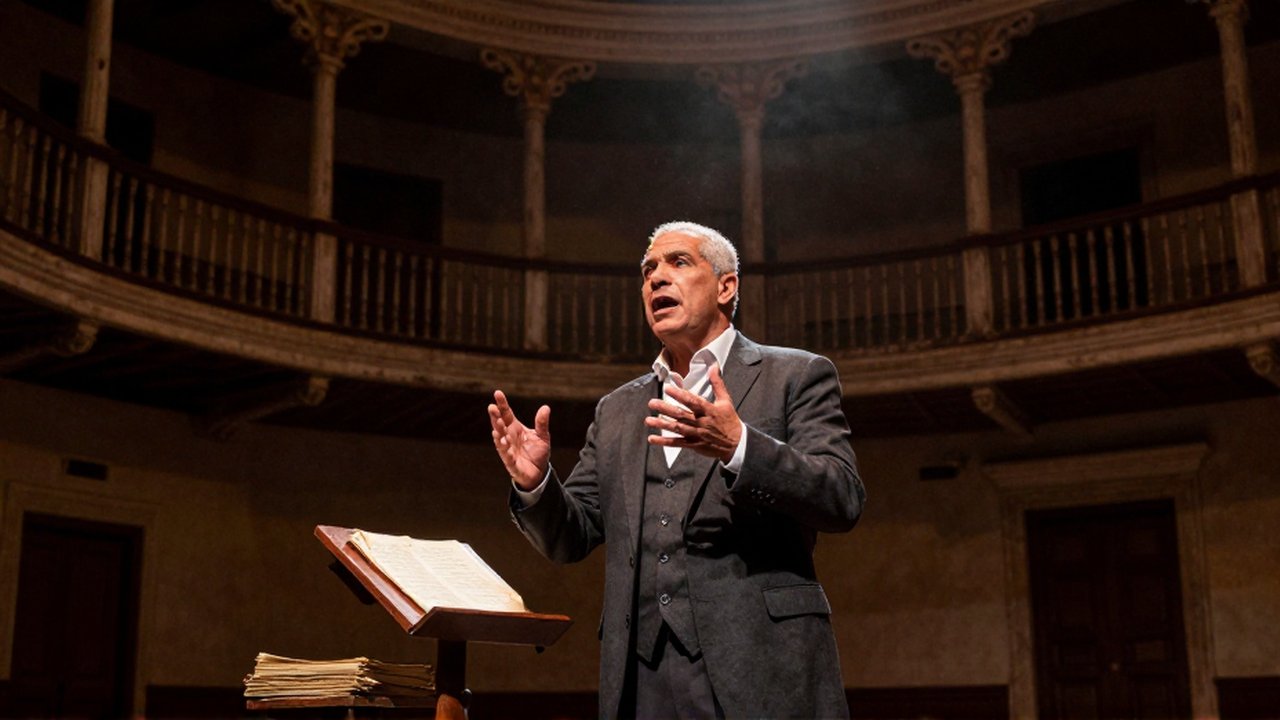
To understand the importance of specific plays, one must first understand the historical stages that shaped Dominican dramatic writing. The theater in the Dominican Republic has evolved through several distinct phases, each leaving a different imprint on the scripts available for study.
In the early stages, much of the dramatic production was influenced by European models, often focusing on classical themes or religious morality plays. However, as the nation sought to establish a more autonomous identity, playwrights began to turn their gaze inward. The 20th century, marked by significant political shifts and periods of dictatorship, became a fertile ground for “protest theater” and social realism. During these times, the stage became a clandestine or semi-public space where metaphors were used to bypass censorship and critique the prevailing political climate.
Later, the move toward contemporary drama saw a diversification of themes. Modern playwrights began to tackle issues of migration, gender roles, urban alienation, and the complexities of the Dominican diaspora. This evolution from classical imitation to radical social commentary and finally to contemporary psychological exploration provides a structured timeline for academic inquiry.
Essential plays for academic analysis
When selecting texts for a syllabus or a research paper, certain works stand out due to their literary merit, historical significance, and the depth of their thematic content. The following categories represent the pillars of the Dominican dramatic canon.
Social Realism and Political Critique These plays are crucial for studying the relationship between the individual and the state. They often utilize the domestic sphere to represent larger national conflicts. Scholars frequently examine how these works use symbolism to critique authoritarianism and the systemic inequalities that have persisted throughout different eras of the Republic’s history.
Identity and Post-Colonialism Works that explore the “dominicanidad” (Dominican identity) are central to academic study. These plays often investigate the country’s triple heritage—Taíno, African, and Spanish—and how these influences coalesce or clash. Literature in this vein is ideal for analyzing theories of hybridity and the construction of national myths.
Modernity and Contemporary Issues More recent plays move away from the grand political narratives to focus on the human condition within a globalized world. Themes include:
- The impact of economic migration on family structures.
- The struggle for women’s rights and agency within patriarchal societal norms.
- The psychological effects of urbanization and the loss of rural traditions.
Comparative themes in Dominican drama
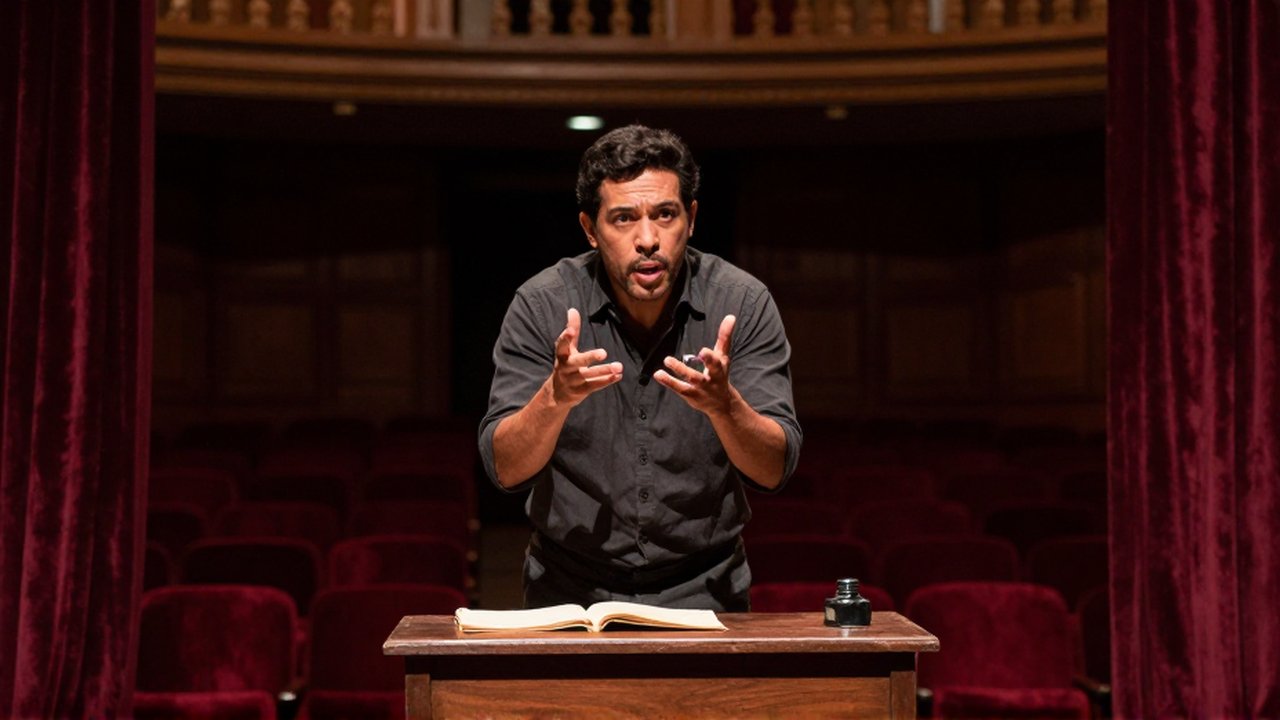
For a structured academic approach, it is helpful to compare how different plays handle recurring motifs. A comparative study allows students to see how the “theatrical language” changes even when the subject matter remains similar.
| Theme | Traditional Dramatic Approach | Contemporary Dramatic Approach |
|---|---|---|
| Politics | Allegorical and metaphorical to avoid censorship. | Direct, explicit, and often centered on institutional corruption. |
| Social Class | Focus on the struggle between the rural poor and the landed elite. | Focus on the nuances of the urban middle class and marginalized migrants. |
| Gender | Women often portrayed as symbols of honor or domestic stability. | Women featured as complex characters navigating autonomy and systemic oppression. |
| Language | Use of stylized or formal Spanish. | Integration of local vernacular, slang, and rhythmic “Dominicanisms.” |
Methodologies for studying Dominican plays
Academic study of these works should go beyond simple plot summary. To achieve a deep level of analysis, scholars typically employ several critical frameworks:
Socio-historical analysis involves mapping the events of the play onto the actual chronology of the Dominican Republic. This helps determine how much of the play is a direct reflection of reality and how much is a creative reimagining of history.
Linguistic and Semiotic analysis focuses on the specific use of language. Because Dominican Spanish has unique cadences and vocabulary, studying the “spoken” word in a script provides insight into class distinctions and regional identities.
Performance Studies approach the text as a blueprint for action. This involves looking at how a play might be staged—considering the use of space, body movement, and sound—to understand how physical performance can enhance the political or emotional message of the writing.
Frequently asked questions
Why is drama specifically useful for studying Dominican history? Unlike history books, which focus on facts and dates, drama captures the emotional and psychological atmosphere of an era. It allows researchers to see how people felt about social changes, fears, and aspirations during specific historical moments.
Can these plays be studied without knowing Spanish? While many seminal works are written in Spanish, many have been translated into English for international academic study. However, studying the original text is highly recommended for those interested in linguistic nuance and cultural authenticity.
What is the main challenge in researching Dominican theater? One of the primary challenges is the scarcity of printed texts from certain historical periods, especially during eras of strict censorship. Some important works may only exist in archives or through the memories of theater practitioners, requiring researchers to use diverse archival methods.
Are contemporary plays as important as the classics? Yes. While the classics provide the foundation and historical context, contemporary plays are essential for understanding the current social trajectory of the Dominican Republic and the evolving identity of its people in a globalized context.




Post Comment