Tips for arranging objects in a still life setup
Introduction
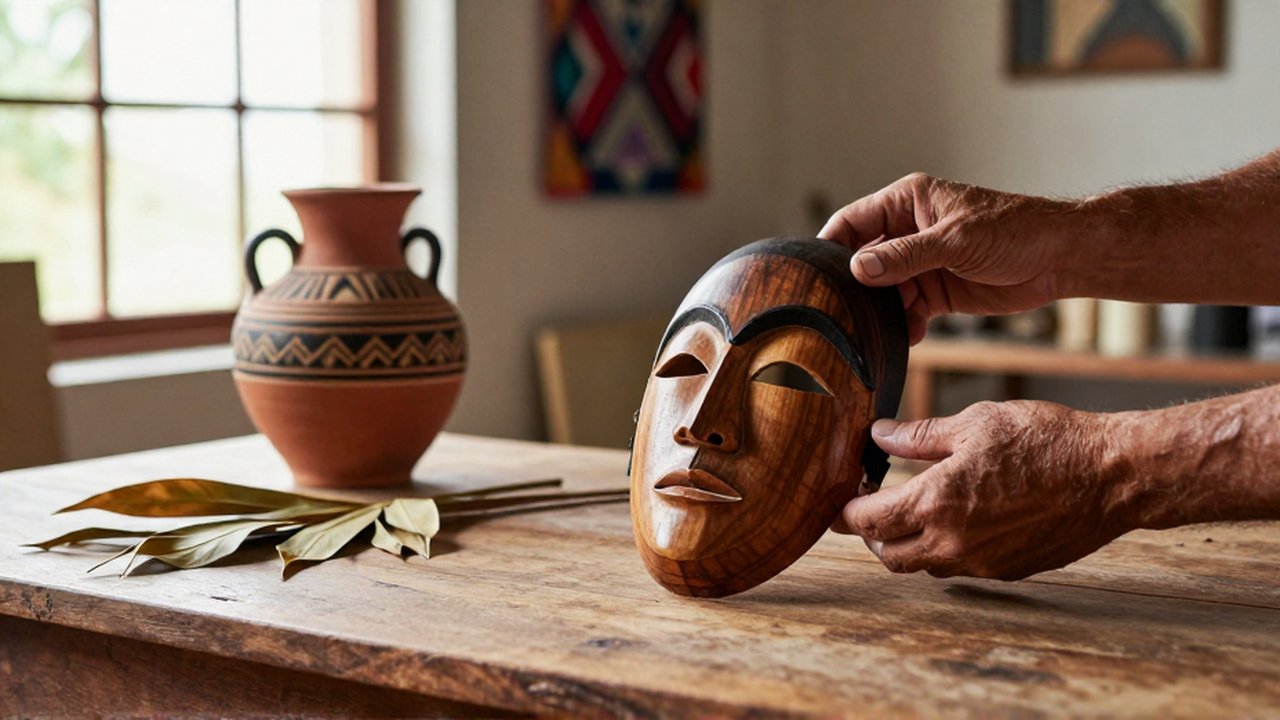
Still life painting is the art of arranging inanimate objects to create a visually compelling composition. This practice allows artists to explore the relationship between light, shadow, texture, and form without the unpredictability of live models or changing landscapes. By carefully selecting and positioning items, an artist can convey specific moods, tell silent stories, or simply practice the technical mastery of rendering diverse surfaces.
Mastering the arrangement of objects is a fundamental skill for any painter. It requires an understanding of balance, depth, and focal points to ensure the viewer’s eye moves naturally through the scene. Whether you are working with organic elements like fruit and flowers or man-made objects like glassware and ceramics, the way you organize your setup dictates the emotional impact and structural integrity of your final artwork.
Choosing the right objects

The foundation of a successful still life lies in the selection of subjects. To create a dynamic scene, aim for a variety of shapes, textures, and heights. Mixing different materials—such as the matte surface of a clay pot, the reflective sheen of a silver spoon, and the soft organic texture of a peach—provides rich visual challenges and prevents the composition from appearing flat.
Consider the narrative or “story” of your arrangement. A collection of weathered books and a dim lamp might suggest a sense of nostalgia, while bright citrus fruits and clear glass suggest freshness and vitality. When selecting objects, ensure they possess interesting silhouettes. Avoid objects that are too similar in shape, as this can lead to a repetitive and uninteresting composition.
Creating composition and balance
Composition is the roadmap that guides the viewer’s eye. One of the most effective ways to arrange objects is by using the “rule of thirds,” placing key items off-center to create more tension and interest. A common mistake is to place the main subject directly in the middle, which can often feel static or overly formal.
To achieve a balanced look, you can utilize several structural techniques:
- Triangular Composition: Arrange objects so their peaks and bases form a triangle. This provides a sense of stability and helps lead the eye around the grouping.
- Overlapping: Do not place objects side-by-side in a straight line. Instead, overlap them to create a sense of depth and spatial relationship.
- Varying Heights: Use a tall object, such as a vase, to anchor the arrangement, surrounded by medium and small items to create a rhythmic flow.
- Negative Space: Pay attention to the empty areas between objects. Too much clutter can overwhelm the viewer, while too much empty space can make the arrangement feel disconnected.
Managing light and shadow

Lighting is perhaps the most critical element in a still life setup. The light source determines the mood, the perceived volume of the objects, and the intensity of the shadows. For most painters, a single, directional light source is preferred because it creates clear distinctions between light and dark areas.
Avoid using diffused, overhead room lighting, which often flattens the objects and eliminates the shadows necessary to define form. Instead, use a lamp or a window with controlled light to create strong highlights and deep shadows. When arranging your objects, observe how the shadows fall. Long, dramatic shadows can add a sense of mystery and depth, while soft, subtle shadows create a gentler atmosphere.
Common mistakes to avoid
Even experienced artists can stumble during the setup phase. One frequent error is selecting objects that are too small for the scale of the canvas or the workspace. If the objects are too tiny, the artist may struggle to capture detail without the painting feeling “fussy” or cramped.
Another pitfall is ignoring the background. The surface the objects sit on and the backdrop behind them are just as important as the objects themselves. A cluttered background can compete with the subject, drawing the eye away from the intended focal point. Ensure the background provides enough contrast to make the silhouettes of your objects stand out clearly.
Frequently asked questions
How do I know if my composition is balanced? Step back from your setup and squint your eyes. This helps you see the values and large shapes rather than the details. If one side feels much “heavier” or darker than the other in a way that feels unintentional, you may need to move an object or adjust the lighting.
Should I use real objects or artificial ones? Real objects are generally preferred because they offer authentic textures and natural light reflections. However, if you are practicing specific shapes or colors, artificial objects can be a useful tool, provided they catch the light in a way that remains interesting to paint.
What is the best way to prevent objects from sliding? If you are working with smooth surfaces like glass or polished metal, use small bits of putty or even a tiny drop of water to steady the objects. This allows you to maintain your arrangement throughout long painting sessions.
How do I create depth in a small setup? Depth is achieved through the careful use of overlapping, varying scales, and atmospheric perspective. Placing some objects closer to the viewer and others further back, while ensuring the light falls differently on various planes, will help create a three-dimensional illusion.



Post Comment