Differences between Bachata Sensual and Dominican Bachata

Introduction
Bachata is a rhythmic and soulful dance genre that originated in the Dominican Republic, evolving from a social folk tradition into a global phenomenon. While the music remains the heartbeat of the dance, different styles have emerged as people interpret the rhythm through various movements and social contexts. Understanding the differences between Bachata Sensual and Dominican Bachata is essential for dancers who wish to navigate social dance floors, attend specialized workshops, or connect more deeply with the genre’s roots.
The distinction between these two styles lies in their technical execution, musicality, and cultural intent. One focuses on the raw, rhythmic essence of the original Dominican tradition, while the other emphasizes fluid, intricate body isolations and connection. Recognizing these nuances allows dancers to choose the appropriate style for different musical tempos and social environments, ensuring a more authentic and enjoyable experience when participating in the international bachata community.
Origins and cultural context
Dominican Bachata is the foundational style. It is the authentic expression of the dance as it developed in the bars, countryside, and social gatherings of the Dominican Republic. It is deeply tied to the traditional music played by local groups, characterized by the prominent sound of the güira, bongo, and requinto guitar. Because it originated as a social dance for the people, it prioritizes rhythm, footwork, and a connection to the percussion.
Bachata Sensual, on the other hand, is a modern evolution that emerged much later, primarily within the international social dance scene. It was developed to incorporate elements of dance like Kizomba or Rumba, focusing heavily on the aesthetics of movement and the connection between partners. While it uses the same musical foundation, it is a stylized version designed for dance halls and social clubs globally, often prioritizing visual fluidity over the traditional rhythmic “flavor” of the Dominican roots.
Movement and technical execution
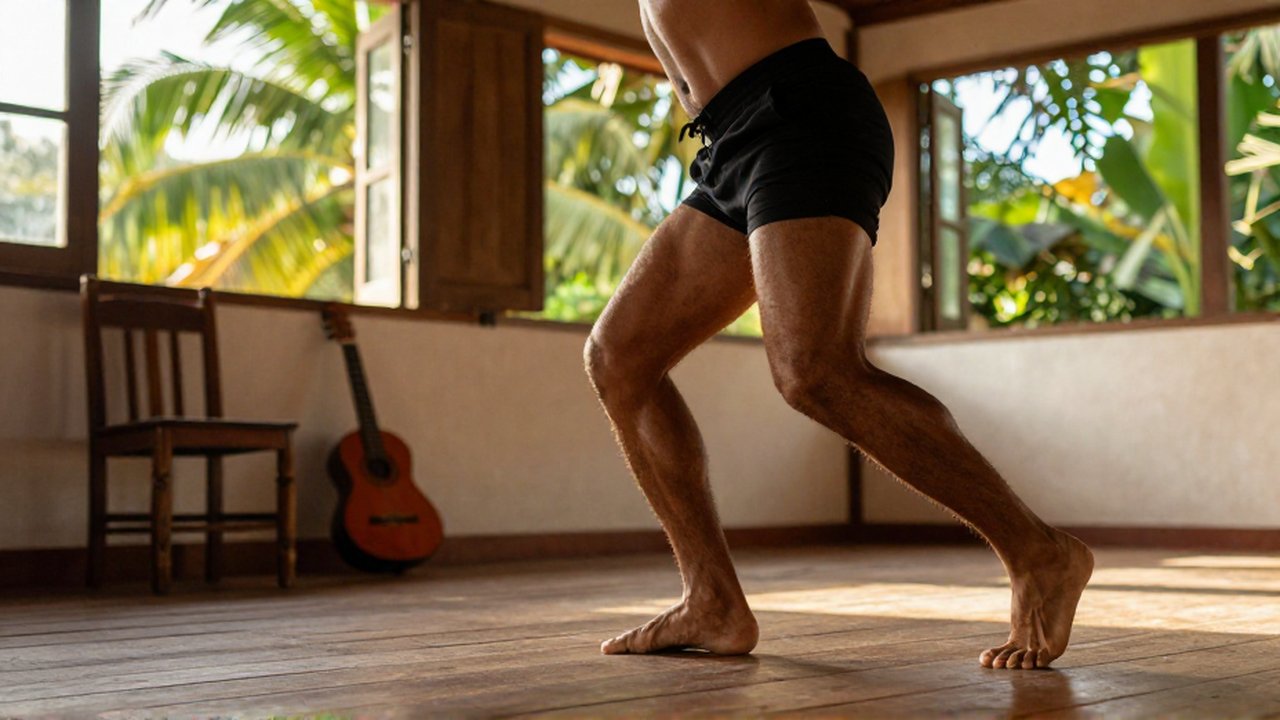
The technical differences between these two styles are quite striking when observed on a dance floor. Dominican Bachata is characterized by its emphasis on footwork and hip action driven by the percussion. Dancers often focus on complex patterns, syncopated steps, and a strong sense of “groundedness.” The upper body remains relatively stable to allow the legs and hips to communicate with the beat, and the movement is often more upright and energetic.
In contrast, Bachata Sensual places a heavy emphasis on body isolations and waves. Dancers utilize the torso, chest, and hips to create flowing, undulating movements. The technique involves a high degree of “body rolls” and circular motions that transition smoothly from one move to the next. While Dominican Bachata is about the feet and the hips, Bachata Sensual is about the entire silhouette of the body, prioritizing a seamless, wave-like aesthetic.
Connection and partner interaction
Choosing between these styles often depends on how a dancer wishes to interact with their partner. In Dominican Bachata, the connection is typically more rhythmic and structural. The lead and follow are mediated through the frame and the timing of the steps, often leaving more individual space for dancers to express their own rhythmic interpretation. It is a dance of shared timing and energetic synchronization.
Bachata Sensual relies on a much closer, more tactile connection. Because the movements involve complex body waves and turns that require precise weight shifts, the connection must be highly sensitive to the partner’s center of gravity. The lead-follow dynamic in Sensual is often more continuous, with movements flowing into one another through close contact, making it a highly intimate and visually synchronized style.
Comparison of key characteristics

| Feature | Dominican Bachata | Bachata Sensual |
|---|---|---|
| Primary Focus | Footwork and rhythm | Body isolations and waves |
| Movement Style | Grounded and syncopated | Fluid and undulating |
| Connection | Structural and rhythmic | Tactile and intimate |
| Cultural Origin | Traditional Dominican Republic | Modern international social dance |
| Musicality | Driven by percussion/guitar | Driven by melody and flow |
Choosing the right style for your needs
Deciding which style to practice or perform depends on your personal goals and the environment. If you want to understand the history of the music, dance at traditional Dominican parties, or master complex footwork, Dominican Bachata is the logical choice. It provides the essential foundation that connects you to the soul of the genre.
If your interest lies in the artistic expression of the body, performing intricate visual patterns, or dancing in modern social lounge settings, Bachata Sensual will offer the tools you need. Many dancers find that learning both styles provides a well-rounded skill set, allowing them to adapt to any song or social setting they encounter.
Frequently asked questions
Can I dance both styles at the same time? While they share the same musical base, they are distinct techniques. Most dancers learn the fundamentals of Dominican Bachata first to understand the rhythm, then add Sensual elements to expand their movement vocabulary.
Is Dominican Bachata harder to learn than Bachata Sensual? Difficulty is subjective. Dominican Bachata requires high rhythmic precision and complex footwork, while Bachata Sensual requires significant core strength and body control for isolations.
Do I need a partner to practice these styles? You can practice the footwork of Dominican Bachata and the isolations of Bachata Sensual solo, but the essence of both styles—the connection and the lead-follow dynamic—is best experienced with a partner.
Which style is more popular in social clubs? Both are popular, but they often occupy different spaces. Bachata Sensual is very common in large international social dance events, whereas Dominican Bachata is the standard in traditional settings and among enthusiasts of the original culture.


Post Comment