What is the symbolism of the Tambora in Dominican music
Introduction
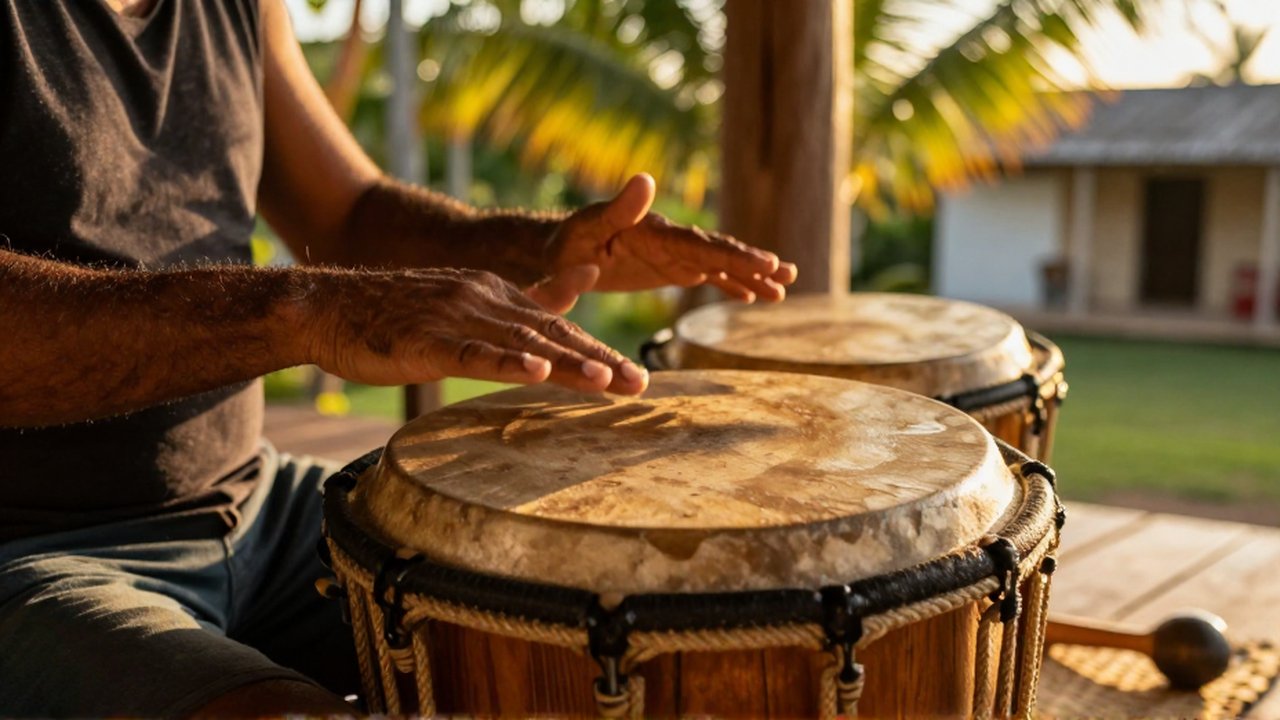
The tambora is a double-headed percussion instrument that serves as the rhythmic heartbeat of the Dominican Republic. As the most iconic instrument in Merengue, it does more than provide a beat; it acts as a sonic vessel for the nation’s complex history and identity. Understanding its symbolism is essential for anyone looking to grasp the cultural soul of the Caribbean, as the drum captures the intersection of African, European, and Indigenous influences that define the Dominican experience.
In Dominican music, the tambora signifies resilience, community, and the celebration of life. It is used during festive gatherings, national holidays, and religious ceremonies to unify people through sound. Because the instrument’s rhythms are deeply ingrained in the social fabric of the country, it functions as a symbol of cultural continuity, bridging the gap between ancestral traditions and modern musical expressions.
The historical roots of the instrument
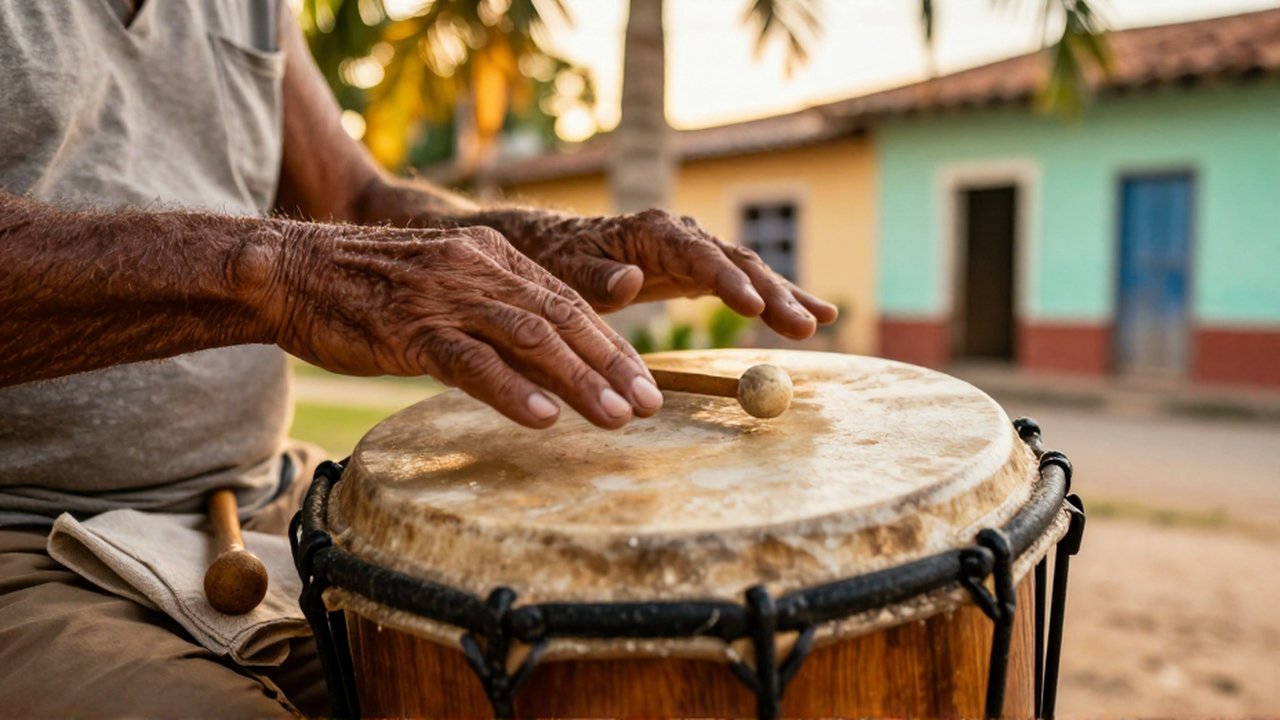
The symbolism of the tambora is inextricably linked to the history of the Dominican people. The instrument itself is a product of cultural syncretism, representing the blending of different worlds. Its construction and playing style reflect the African influence that migrated to the island, merged with the rhythmic sensibilities and structural elements introduced during the colonial era.
Historically, the drum was a tool for communication and social cohesion among enslaved populations and marginalized communities. Consequently, the sound of the tambora represents the survival of African heritage within a changing social landscape. It stands as a testament to how rhythmic traditions were preserved and eventually elevated to become the primary symbol of Dominican national pride.
Cultural significance in Merengue and Merengue típico
While the tambora is present in various musical genres, its most profound symbolic weight is found in Merengue. In this context, the instrument is not merely an accompaniment; it is the driving force that dictates the energy of the dance and the mood of the crowd.
- Rhythmic Authority: The tambora player (the tamborero) holds a position of leadership within the ensemble, guiding the tempo and the transitions between musical phrases.
- National Identity: Merengue is considered the national music of the Dominican Republic, and the tambora is its most recognizable element. To hear the drum is to instantly recognize the Dominican identity on a global stage.
- Communal Connection: The specific patterns played on the tambora are designed to trigger movement. This creates a collective experience where the boundary between the performer and the listener dissolves through shared rhythm.
Symbolic elements of construction and performance
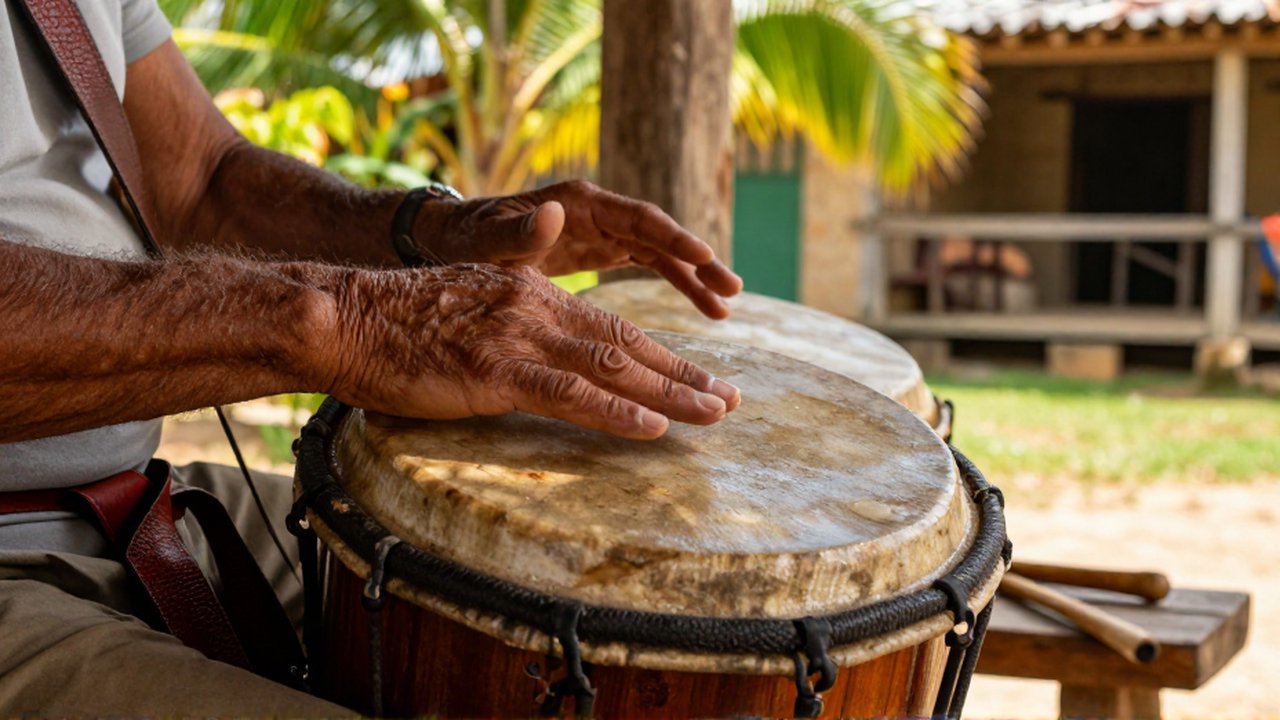
The physical nature of the tambora also carries symbolic meaning. Traditionally made from wood and animal skins, the instrument connects the performer to the natural world and the traditional crafts of the region.
The act of playing the tambora requires a specific technique involving both hands and a stick, which allows for a wide range of tones. This duality—the ability to produce both deep, resonant bass notes and sharp, high-pitched cracks—symbolizes the multifaceted nature of Dominican personality: a balance between strength and agility, seriousness and joy.
| Feature | Symbolic Representation |
|---|---|
| Dual Heads | The meeting of different cultural lineages (African and European). |
| Wood and Skin | Connection to the land and ancestral craftsmanship. |
| High/Low Tones | The complexity and emotional range of Dominican life. |
The tambora as a symbol of social unity
Beyond the music industry, the tambora serves as a social equalizer. In traditional Dominican festivities, the drum brings together people regardless of their socioeconomic status. The rhythm of the tambora is a universal language within the country, capable of evoking nostalgia, pride, and excitement in any listener.
In many ways, the drum represents the “pulse” of the people. When the tambora sounds, it signals a moment of collective celebration, a way to reclaim space and voice through sound. It is a symbol of defiance against cultural erasure and a celebration of a unique, lived reality.
Frequently Asked Questions
What is the main difference between the tambora and other drums? The tambora is specifically characterized by its double-headed design played with one hand and one stick, which allows for the unique, syncopated rhythms essential to Merengue.
Is the tambora used in religious contexts? Yes, while it is most famous in secular Merengue, the drum and its rhythms have historically played roles in various communal and spiritual gatherings across the island.
Why is the tambora considered a national symbol? It is considered a symbol because it is the foundational instrument of Merengue, the country’s most famous musical export, and it embodies the syncretic history of the Dominican people.
How does the tambora impact the dance? The tambora provides the rhythmic cues that tell dancers when to change steps or increase their intensity, acting as the bridge between the musicians and the dancers.



Post Comment