The history of Son Dominican music evolution

Introduction
Son Dominican music represents a vital pillar of Caribbean musical heritage, serving as a rhythmic bridge between African traditions and European melodic structures. Understanding its evolution is essential for anyone interested in the roots of Latin American music, as it provides the foundational DNA for many of the world’s most popular dance genres. This genre is not merely a style of entertainment but a historical record of the cultural fusion that occurred during the colonial era and beyond.
Tracing the history of this musical evolution allows us to see how social dynamics, migration, and cultural exchange shaped the identity of the Dominican Republic. By studying its development, we gain insight into how simple percussion and string instruments transformed into complex orchestral arrangements that continue to influence global music trends today. It is a journey of adaptation, resilience, and rhythmic innovation that defines the soul of the island.
Origins and cultural foundations

The roots of Son Dominican music are deeply embedded in the trans-Atlantic exchange of cultures. The genre emerged from a complex synthesis of African rhythmic patterns and Spanish melodic influences. During the colonial period, the encounter between enslaved African populations and Spanish settlers created a unique musical environment where different traditions collided and merged.
The African contribution is most visible in the percussion and the “call and response” structure, which characterizes the rhythmic backbone of the genre. These patterns provided the driving force necessary for communal dance and social expression. Conversely, the Spanish influence brought melodic instruments such as the guitar and structural elements of European song forms, which helped shape the lyrical and harmonic directions of the music.
This early stage of evolution was largely rural and communal. Music was not a professional commodity but a social necessity, performed during religious festivals, agricultural cycles, and community gatherings. The early iterations of Son were characterized by their simplicity, relying on portable instruments that could be easily transported and played in informal settings.
Evolution of instrumentation and rhythm
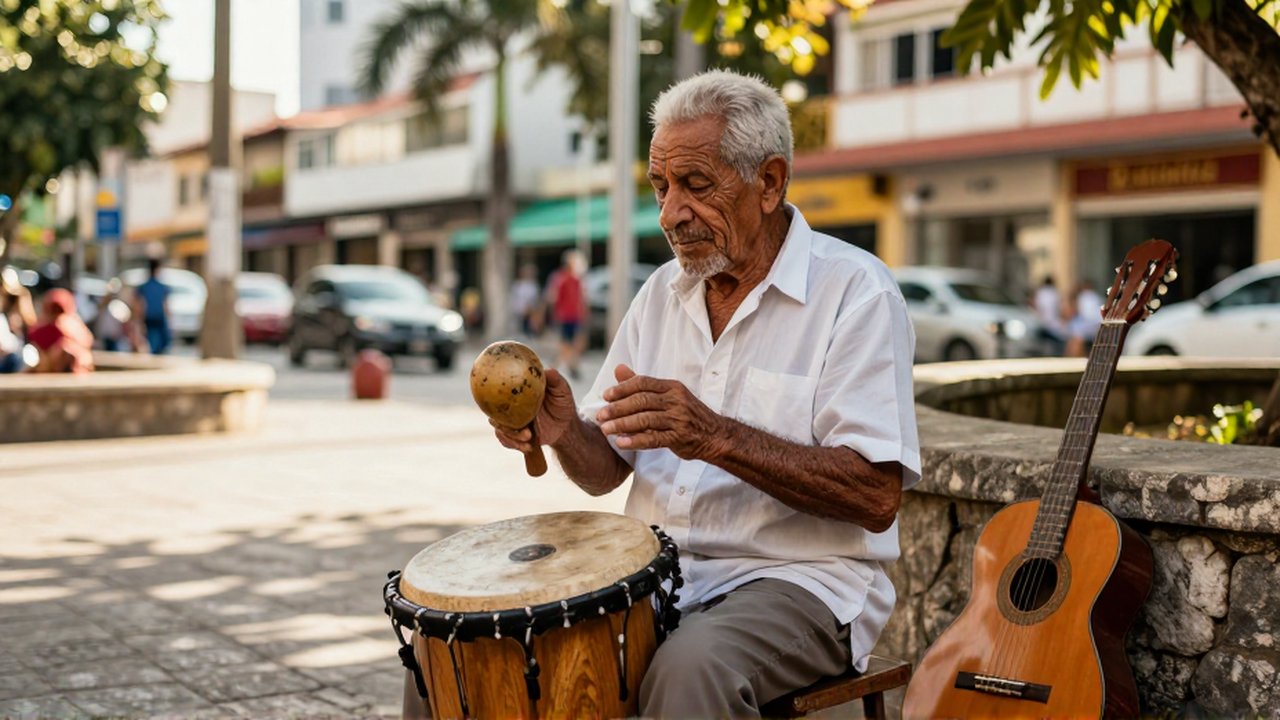
As the genre transitioned from rural gatherings to more organized social settings, the instrumentation underwent significant changes. The evolution of the rhythmic section is perhaps the most critical aspect of this musical history. While early versions relied heavily on basic percussion, later iterations introduced more sophisticated tools to enhance the texture of the sound.
Key elements that defined the evolution of the instrumentation include:
- Percussion: The use of drums, such as the bongos or more localized versions, provided the essential polyrhythmic foundation.
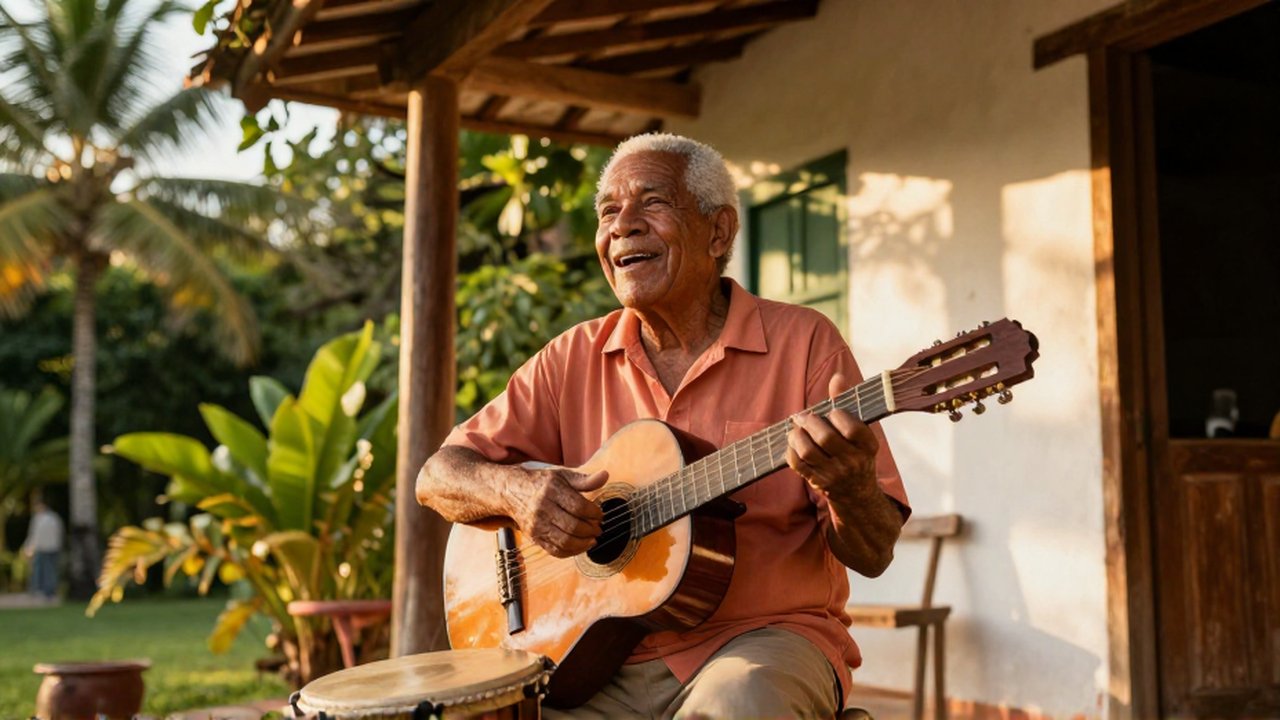
- String Instruments: The integration of the guitar and the requinto (a smaller, higher-pitched guitar) allowed for more intricate melodic interplay and harmonic depth.
- Wind Instruments: In certain periods and regional variations, the introduction of flutes or brass elements helped the genre transition from folk music to more orchestrated styles.
The rhythm evolved from a strictly percussive drive into a more nuanced “swing” that allowed for sophisticated dance movements. This period marked the shift from purely oral and improvisational traditions toward more structured compositions that could be taught and shared across different social classes.
Impact of urbanization and commercialization
The movement of populations from the countryside to urban centers played a decisive role in the professionalization of Son Dominican music. As cities grew, so did the demand for organized entertainment, leading to the emergence of musical ensembles and professional performers. This transition fundamentally changed how the music was produced and consumed.
Urbanization brought the music into contact with other international styles, such as jazz and even early orchestral movements. This exposure led to several key developments:
- Orchestration: Smaller groups of musicians expanded into larger ensembles, incorporating a wider variety of instruments.
- Standardization: The chaotic and improvisational nature of rural Son began to adopt more standardized song structures, making it easier to record and broadcast.
- Recording Technology: The advent of the recording industry turned Son from a local tradition into a commercial product, allowing Dominican rhythms to reach international audiences.
While commercialization helped preserve and spread the genre, it also introduced the challenge of maintaining cultural authenticity. As the music became more polished for the radio and the dance hall, some of the raw, spontaneous energy of its rural origins was occasionally traded for melodic complexity and professional precision.
Legacy and influence on modern genres
The historical evolution of Son Dominican music did not end in isolation; rather, it acted as a precursor to many of the dominant genres seen in the Caribbean and Latin America today. The rhythmic cells developed within Son provided the structural blueprints for genres like Merengue and Bachata, which would eventually command global stages.
The legacy of this music is visible in the way modern artists approach rhythm and melody. The concept of the “clave” and the specific way percussion interacts with melodic lines can be traced directly back to the early Son traditions. Furthermore, the genre’s ability to absorb new influences while maintaining a distinct rhythmic identity remains a hallmark of Dominican musicality.
Even in the contemporary era, where electronic production and global pop dominate, the fundamental principles of Son continue to inform the production of modern tropical music. It serves as a constant reminder of the importance of cultural heritage and the enduring power of rhythmic innovation.
Frequently asked questions
What are the primary instruments used in traditional Son? Traditional setups typically revolve around percussion like drums or bongos, combined with stringed instruments such as the guitar and the requinto to provide both rhythm and melody.
How does Son differ from Merengue? While both are fundamental to Dominican culture, Son is generally characterized by a different rhythmic emphasis and a different historical trajectory, often focusing more on the synthesis of African and Spanish string/percussion traditions, whereas Merengue has its own distinct 2/4 beat and specific accordion-based history.
Is Son Dominican music still played today? Yes, while it may not be the dominant commercial genre in the way Merengue or Bachata are, the traditional elements and rhythms of Son continue to be studied, performed, and integrated into modern Dominican musical compositions.



Post Comment