Guide to traditional Salsa dance music instruments

Introduction
Salsa music is a vibrant, high-energy genre that serves as the heartbeat of Caribbean social dance. To understand the rhythm of Salsa, one must understand the complex layering of percussion, brass, and piano that creates its infectious groove. This music functions as a rhythmic dialogue, where different instruments interact to guide dancers through specific patterns, breaks, and tempos.
Recognizing these instruments is essential for any enthusiast, whether you are a dancer seeking to time your steps to the percussion or a music lover wanting to appreciate the complexity of the arrangement. The instrumentation of Salsa is not merely background noise; it is a sophisticated structure of polyrhythms that provides the foundation for movement and expression.
Learning the roles of these instruments allows you to listen with intent. You will begin to hear how the heavy bassline stabilizes the beat, how the brass section adds melodic tension, and how the percussion section dictates the intensity of the dance floor.
The percussion section foundation

The percussion section is the most critical element of Salsa, as it provides the rhythmic skeleton that dancers rely on to maintain timing. Unlike many Western genres that rely on a steady drum kit, Salsa utilizes a variety of hand percussion and specialized drums to create layered rhythms.
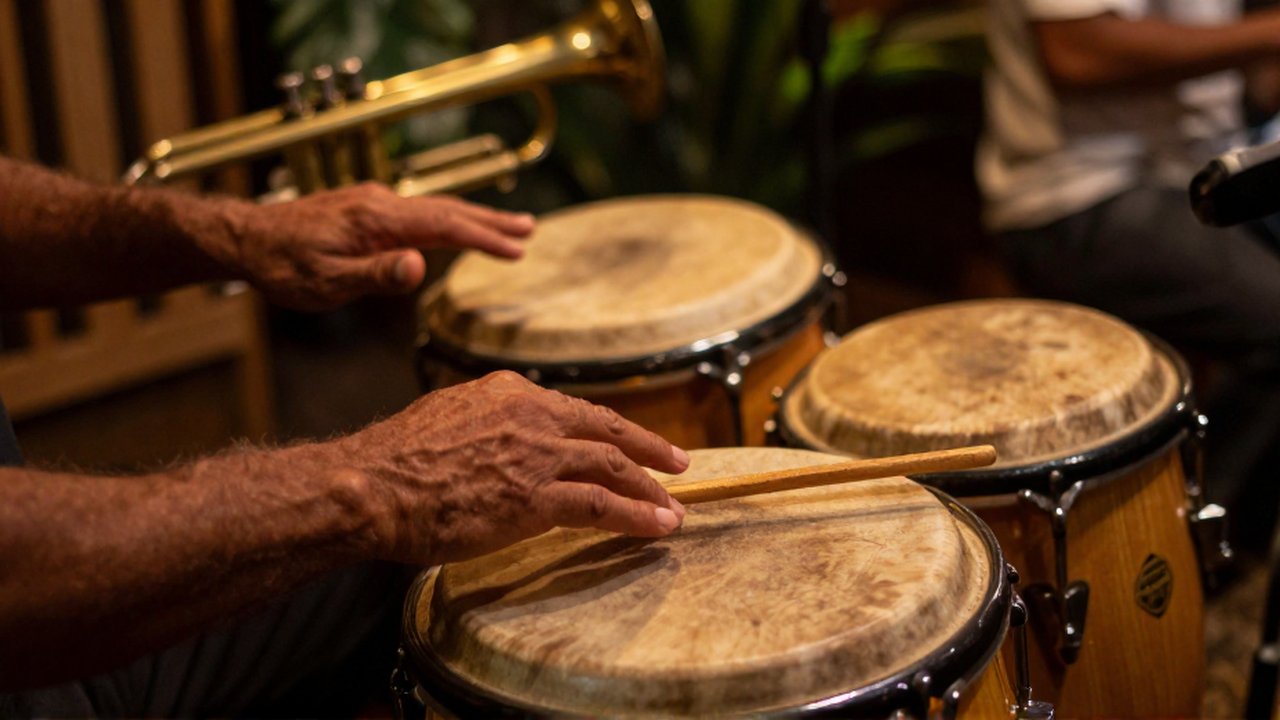
The congas (or tumbadoras) are perhaps the most recognizable drums in the genre. They provide the deep, resonant tones and sharp slaps that drive the mid-range rhythm. The player uses different hand techniques to create various textures, which are essential for the “tumbao” rhythm—the foundational pattern that anchors the song.
The bongos consist of a pair of small, joined drums played with the hands. They offer high-pitched, rapid-fire accents that cut through the rest of the ensemble. During a song, the bongo player often switches to the campana (cowbell) during high-intensity sections, providing a steady, loud beat that helps dancers stay in sync during climaxes.
The timbales are metal-shelled drums played with sticks. They are known for their sharp, piercing sounds and the ability to perform complex rolls and rim shots. Timbales often signal transitions in the music, such as moves between the verse and the chorus, helping dancers prepare for changes in energy.
Melodic and harmonic elements
While percussion provides the rhythm, melodic and harmonic instruments provide the “flavor” and emotional depth of the music. These instruments transform a simple beat into a sophisticated composition that can convey joy, passion, or melancholy.
The piano plays a crucial role through a technique known as montuno. Instead of playing standard chords, the pianist plays repetitive, syncopated rhythmic patterns that bridge the gap between the percussion and the melody. This pattern is what gives Salsa its characteristic “swing” and provides a predictable loop for dancers to follow.
The bass is the glue that connects the percussion to the melody. In traditional Salsa, the bass often plays on the “off-beats” or uses a syncopated pattern that avoids the downbeat, creating a sense of forward momentum. Without a strong bassline, the music would lose its weight and its ability to drive the dancers’ feet.
The brass section, typically consisting of trumpets and trombones, provides the melodic hooks and powerful accents. Trumpets often handle the bright, soaring melodies, while trombones provide a darker, punchier texture. These instruments are frequently used to play “mambos”—rhythmic, repetitive brass figures that signal a peak in intensity.
Comparison of instrument roles
The following table summarizes how different instruments contribute to the overall experience of a Salsa track.
| Instrument Category | Primary Instruments | Musical Function | Impact on Dance |
|---|---|---|---|
| Percussion | Congas, Bongos, Timbales | Rhythmic foundation and polyrhythms | Dictates the timing and steps |
| Rhythm/Harmony | Piano, Bass | Harmonic structure and syncopation | Provides the “swing” and groove |
| Melodic/Brass | Trumpets, Trombones | Melodic themes and accents | Signals changes in energy and intensity |
Frequently asked questions
What is the most important instrument for a dancer to listen to? While all instruments are important, dancers often listen closely to the percussion—specifically the congas and the cowbell—to identify the fundamental beat and the “clave” rhythm that guides their steps.
How can I tell the difference between congas and timbales? Congas are large, wooden-bodied drums played with the hands to produce warmer, deeper tones. Timbales are metal drums played with sticks, producing a much sharper, brighter, and more metallic sound.
What is the ‘clave’ in Salsa music? The clave is not a physical instrument, but rather a rhythmic pattern that acts as the structural foundation for the entire song. All other instruments, including percussion and piano, must align with this pattern to maintain the musical integrity of the Salsa genre.
Does the piano play like it does in classical music? No. In Salsa, the piano focuses heavily on the rhythmic pattern known as the montuno. While it does play chords, its primary job is to provide a repetitive, syncopated rhythmic loop that interacts with the percussion.

Post Comment