– How did Manuel de Jesús Galván shape Dominican poetry

Introduction
Manuel de Jesús Galván stands as one of the most influential figures in the history of Dominican literature, serving as a bridge between Romanticism and the burgeoning modern consciousness of his era. His work played a fundamental role in defining the nation’s cultural identity by blending historical narrative with lyrical excellence. Understanding his contribution is essential for anyone studying Caribbean literature, as his influence extends beyond mere verse into the very fabric of Dominican storytelling.
Throughout his career, Galván utilized poetry and prose to explore themes of patriotism, social morality, and the profound beauty of the Dominican landscape. His ability to synthesize classical European structures with local sensibilities helped establish a formal standard for Dominican writers. By examining his legacy, we gain insight into how literary figures can sculpt a nation’s collective memory and emotional landscape through the power of the written word.
The influence of Romanticism on his lyrical style
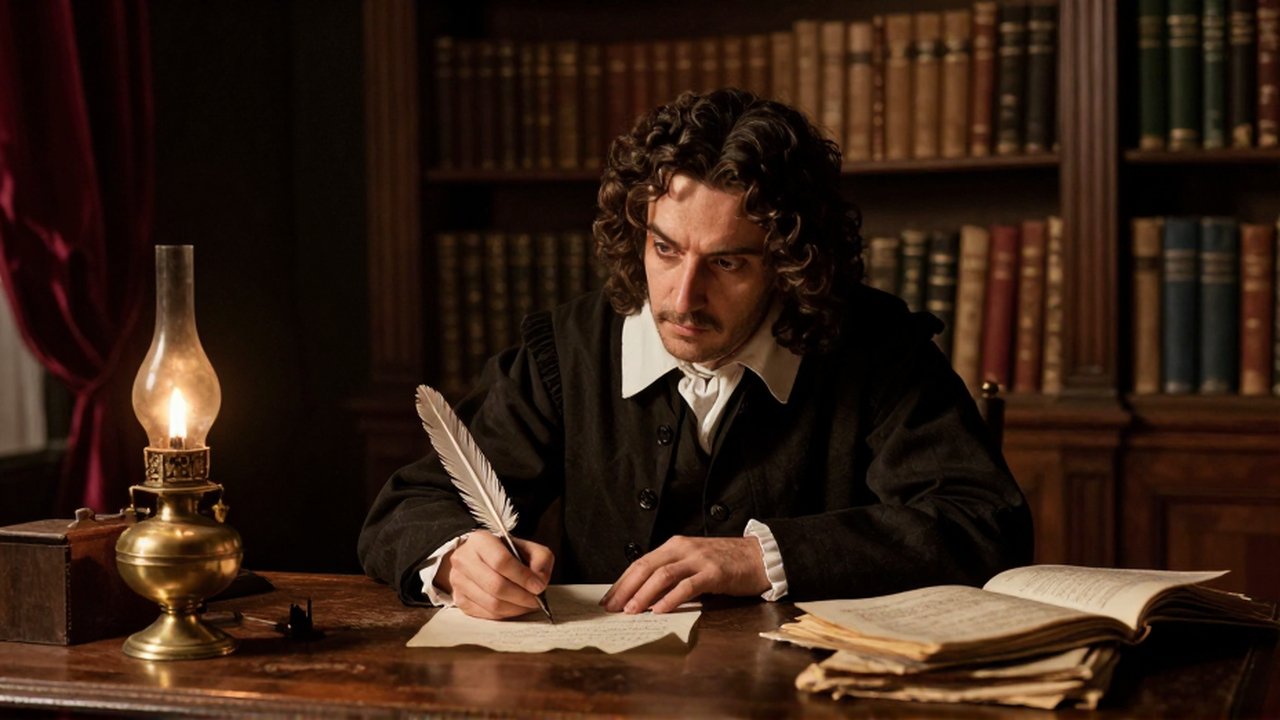
Manuel de Jesús Galván emerged during a period when Romanticism was the dominant literary movement in the Hispanic world. His poetry is characterized by the quintessential Romantic hallmarks: an emphasis on intense emotion, a profound connection to nature, and a preoccupation with the sublime. However, what set him apart was his ability to domesticate these European influences, applying them to the specific rhythms and landscapes of the Dominican Republic.
His lyrical style often sought to elevate the local environment to a level of mythic grandeur. Instead of merely describing a sunset or a mountain range, Galván used metaphorical language to imbue the Dominican territory with a soul. This approach encouraged subsequent generations of poets to look at their own surroundings not just as geographical locations, but as sacred spaces worthy of high art. This shift was crucial in developing a distinct national aesthetic that did not rely solely on imitating foreign models.
The synthesis of historical narrative and poetic verse
One of Galván’s most significant contributions to the shaping of Dominican poetry was his mastery of the “epic” temperament. He did not see poetry and history as separate entities; rather, he viewed poetry as the most effective vessel for preserving the historical truth of a people. His work often functioned as a rhythmic chronicle, where the meter and rhyme served to dignify the struggles and triumphs of the Dominican spirit.
This synthesis provided a blueprint for how literature could serve a civic purpose. By weaving historical figures and national struggles into his verses, he transformed poetry into a tool for nation-building. This technique allowed readers to connect emotionally with their history, making the lessons of the past feel immediate and vital. For the Dominican reader, his poetry was not merely an aesthetic exercise but a way to participate in the ongoing narrative of their country.
Key themes in his literary legacy
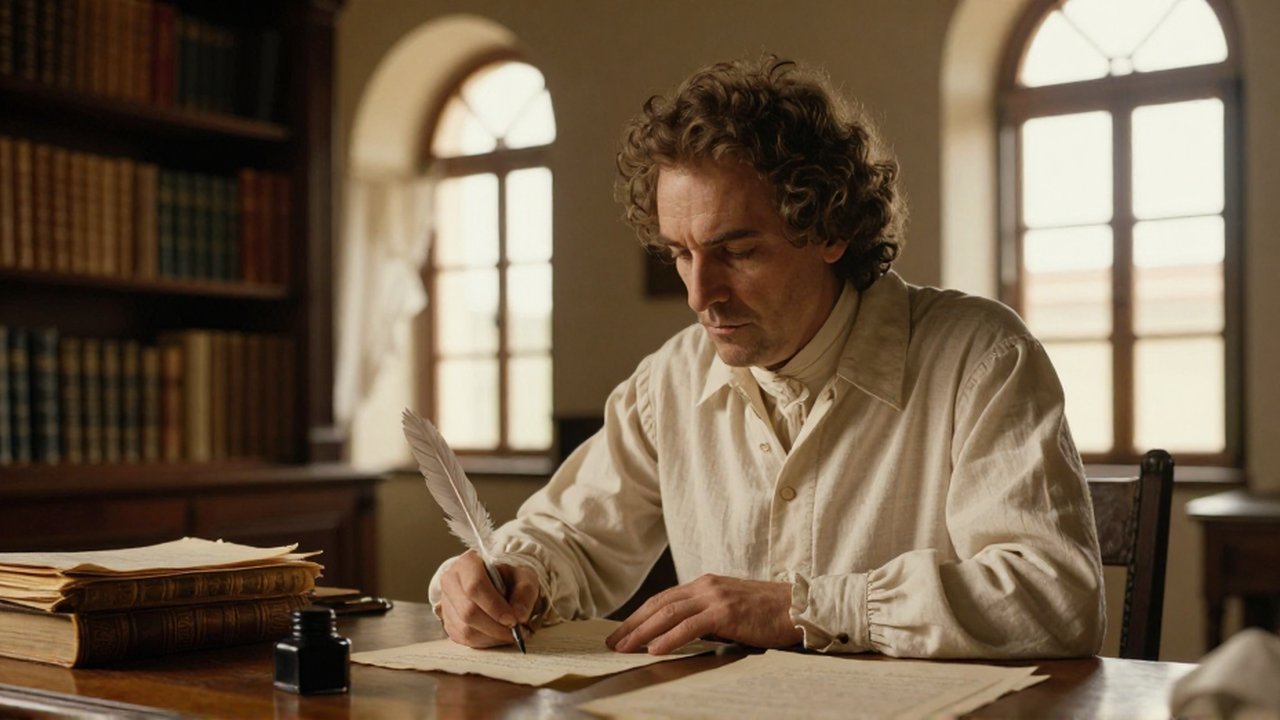
To understand how Galván shaped the poetic landscape, one must look at the recurring themes that defined his body of work. These themes became pillars upon which much of later Dominican literature was constructed.
| Theme | Description | Impact on Dominican Poetry |
|---|---|---|
| Patriotism | The celebration of national sovereignty and identity. | Established a tradition of civic-minded literature. |
| Nature | The portrayal of the tropical landscape as a divine entity. | Encouraged the use of local imagery in formal verse. |
| Morality | The exploration of ethics, virtue, and social responsibility. | Infused poetry with a sense of didactic and social purpose. |
| Nostalgia | A longing for lost eras or idealized versions of the past. | Provided a framework for exploring historical memory. |
By mastering these themes, Galván provided a vocabulary for future writers to express complex ideas about what it meant to be Dominican. He proved that the local experience could be addressed through universal literary themes, thereby bridging the gap between the provincial and the global.
The transition toward modern literary consciousness
While Galván is firmly rooted in the Romantic tradition, his meticulous attention to structure and his ability to tackle complex social realities provided a foundation for the transitions that followed. He helped move Dominican literature away from simple imitation toward a more self-aware and structurally disciplined form of expression.
His rigorous approach to language helped professionalize the craft of poetry in the region. By setting high standards for rhythm, diction, and thematic depth, he challenged later writers to move beyond sentimentality and toward the more nuanced, diverse, and experimental forms of the 20th century. Even as styles shifted toward Modernismo and eventually toward more contemporary movements, the technical excellence and the commitment to national identity established by Galván remained a benchmark for quality.
Frequently asked questions
What is Manuel de Jesús Galván’s most famous work? While he is widely known for his poetry, he is also highly celebrated for his historical novel Enriquillo, which showcases his ability to blend epic storytelling with historical depth.
How did his work differ from other contemporary poets? Galván was distinguished by his unique ability to blend high Romanticism with a strong sense of nationalist duty, creating a style that was both emotionally resonant and historically significant.
Why is he considered a foundational figure in Dominican literature? He is considered foundational because he helped establish a formal literary tradition that centered on Dominican identity, providing both the stylistic models and the thematic foundations for future generations.


Post Comment