Essential safety tips for amateur wood carving artists
Introduction
Wood carving is a rewarding artistic pursuit that allows creators to transform raw timber into intricate sculptures and decorative objects. For amateur artists, the transition from admiring finished pieces to handling sharp tools is both exciting and intimidating. Understanding safety is not merely about avoiding injury; it is about creating a controlled environment where creativity can flourish without the distraction of preventable accidents.
Mastering safety protocols is essential from the very first cut. Because wood carving involves constant contact between high-carbon steel blades and organic material, the margin for error can be slim. By establishing a foundation of proper tool handling, personal protection, and workspace organization, beginners can protect their hands and fingers while developing the muscle memory required for more advanced techniques.
Preparation of the carving workspace
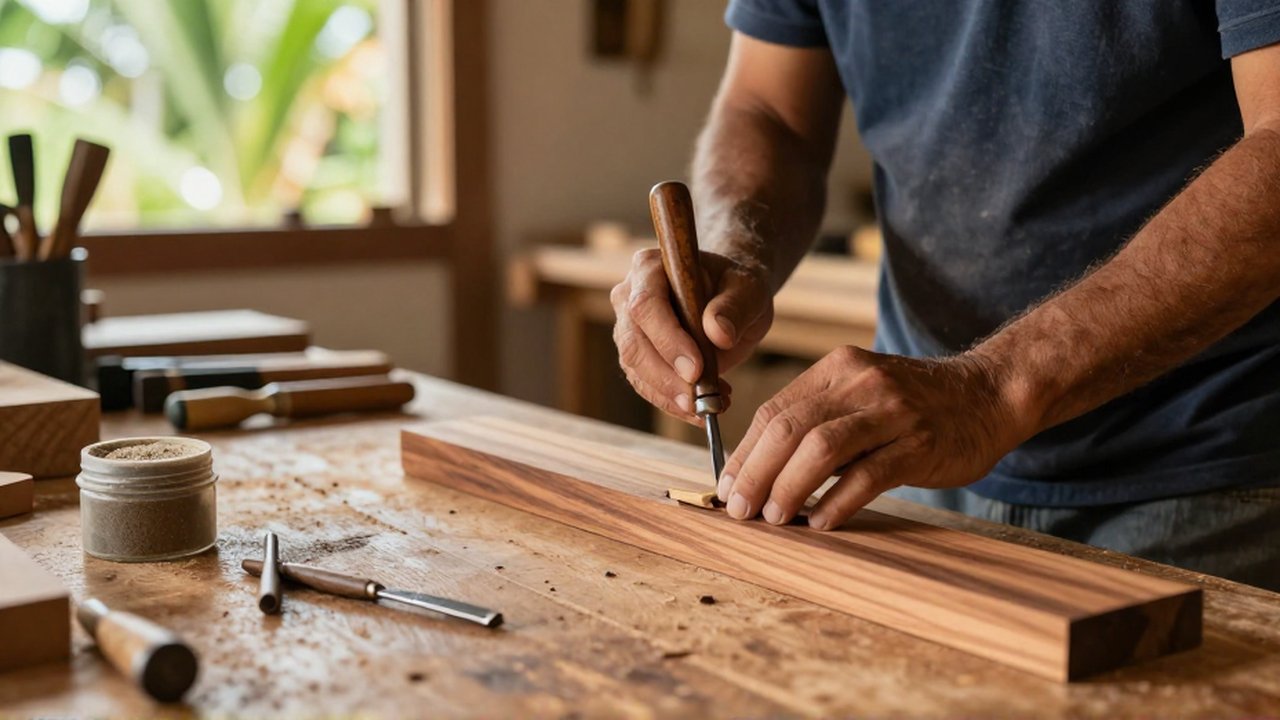
A safe carving experience begins long before a blade touches wood. One of the most common mistakes among amateurs is attempting to carve on an unstable surface or in a cluttered environment. A dedicated, sturdy workbench is vital to ensure that the wood does not slip or wobble during the carving process. If the workpiece moves unexpectedly, the blade may deviate from its intended path and strike the artist.
It is highly recommended to use a carving vice or a bench hook to secure the material. These tools keep the wood stationary, allowing the artist to focus entirely on the direction of the cut rather than holding the piece with one hand. Additionally, ensure the workspace is well-lit. Dim lighting causes eye strain and makes it difficult to see the subtle contours of the wood and the fine edge of the tool, increasing the risk of a slip.
Proper tool maintenance and handling
The relationship between an artist and their tools is fundamental to safety. There is a widespread misconception that a dull tool is safer than a sharp one because it seems less “threatening.” In reality, a dull blade is significantly more dangerous. A dull knife requires much more physical force to push through the grain, which leads to a loss of control and sudden, forceful slips. A razor-sharp edge cuts through fibers with minimal effort, providing the precision necessary to stay on track.
When handling tools, always follow these basic principles:
- Always cut away from your body: Never pull a blade toward your hands, chest, or thighs.
- Maintain a clear path: Before making a cut, ensure that no part of your body is in the potential trajectory of the blade should it slip.
- Keep fingers behind the edge: Never place your non-carving hand in front of the tool’s path. Use a piece of scrap wood or a specialized holder if you need to stabilize the workpiece near the cut.
- Store tools properly: When not in use, blades should be placed in a sheath, a tool roll, or a dedicated rack to prevent accidental contact.
Personal protective equipment for artists

While much emphasis is placed on the tools, the artist’s body also requires protection. For many beginners, the most effective piece of safety gear is a carving glove. These gloves are typically made of cut-resistant materials like Kevlar and are designed to be worn on the hand that stabilizes the wood. While they do not make a person “invincible,” they provide a critical layer of defense against minor nicks and accidental slips.
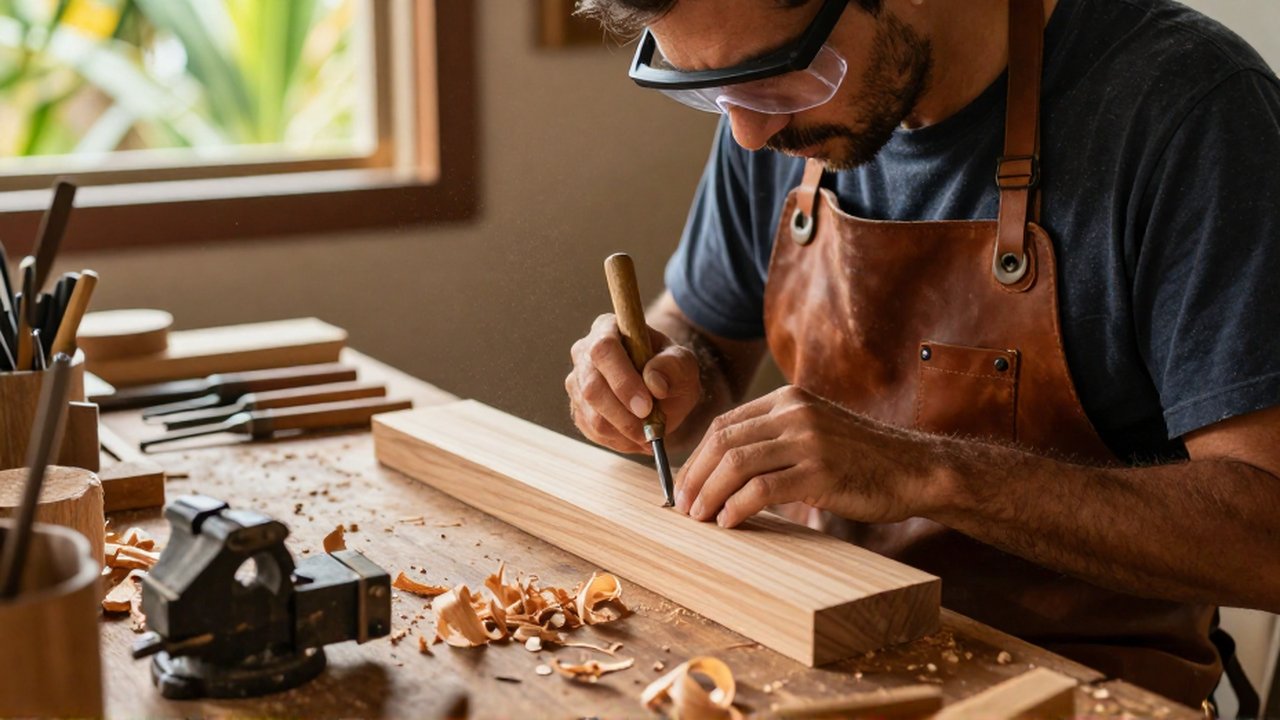
Eye protection is equally important. Wood carving can occasionally produce small splinters or flying chips, especially when using mallets or power tools. Wearing safety glasses ensures that these particles do not cause eye irritation or injury. While it may feel cumbersome at first, incorporating these items into your routine becomes second nature as you gain experience.
Common mistakes to avoid during carving sessions
Beyond technical errors, physical and mental fatigue are significant factors in carving accidents. Amateur artists often experience “tunnel vision,” where they become so focused on a specific detail that they lose awareness of their overall posture or the position of their hands. It is important to take regular breaks to rest your hands and refocus your vision.
| Mistake | Risk Involved | Recommended Correction |
|---|---|---|
| Carving while tired | Loss of motor control and focus | Limit carving sessions to manageable durations |
| Using improper tools | Blade breakage or slipping | Use tools specifically designed for the task |
| Working in a cluttered area | Accidental contact with objects | Keep a clean, organized workspace |
| Ignoring tool sharpness | Excessive force and unpredictable slips | Sharpen tools frequently and regularly |
Frequently asked questions
Is it necessary to wear a glove on both hands? Usually, the glove is worn on the hand that holds or stabilizes the wood, as that hand is most at risk of being in the path of the blade. However, if your technique involves holding the tool in a way that puts your other hand at risk, additional protection may be beneficial.
How often should I sharpen my carving tools? Sharpening should be done frequently. You will notice the tool is becoming dull when you feel you have to apply more pressure than usual to move through the wood. Many artists sharpen their tools every few sessions to maintain optimal control.
Can I use household knives for wood carving? It is not recommended. Household knives are not engineered for the specific stresses of wood carving and often lack the structural integrity or the specific geometry required for safe, controlled cuts. Investing in dedicated carving tools is a primary safety measure.
What should I do if I sustain a minor cut? Always keep a first aid kit in your workspace. For minor cuts, clean the wound thoroughly, apply pressure to stop bleeding, and use an antiseptic. If a cut is deep, shows signs of infection, or occurs near a joint, seek professional medical attention immediately.




Post Comment