Evolutionary stages of traditional Dominican dance styles

Introduction
Traditional Dominican dance styles serve as a living chronicle of the nation’s complex social, ethnic, and colonial history. These dances are not merely forms of entertainment but are vital expressions of identity that reflect the fusion of African, European, and Indigenous influences. Understanding their evolution allows us to grasp how cultural movements transitioned from sacred ritualistic practices to social celebrations and, eventually, to world-renowned artistic genres.
Studying these evolutionary stages is essential for anyone interested in Caribbean sociology or ethnomusicology. By tracing the movement and rhythm of these dances, we can see how historical shifts—such as the abolition of slavery, urbanization, and globalization—redefined the way Dominican people communicate through motion. This article explores the chronological and stylistic transitions that shaped the country’s unique choreographic heritage.
Roots of rhythmic expression and ritual

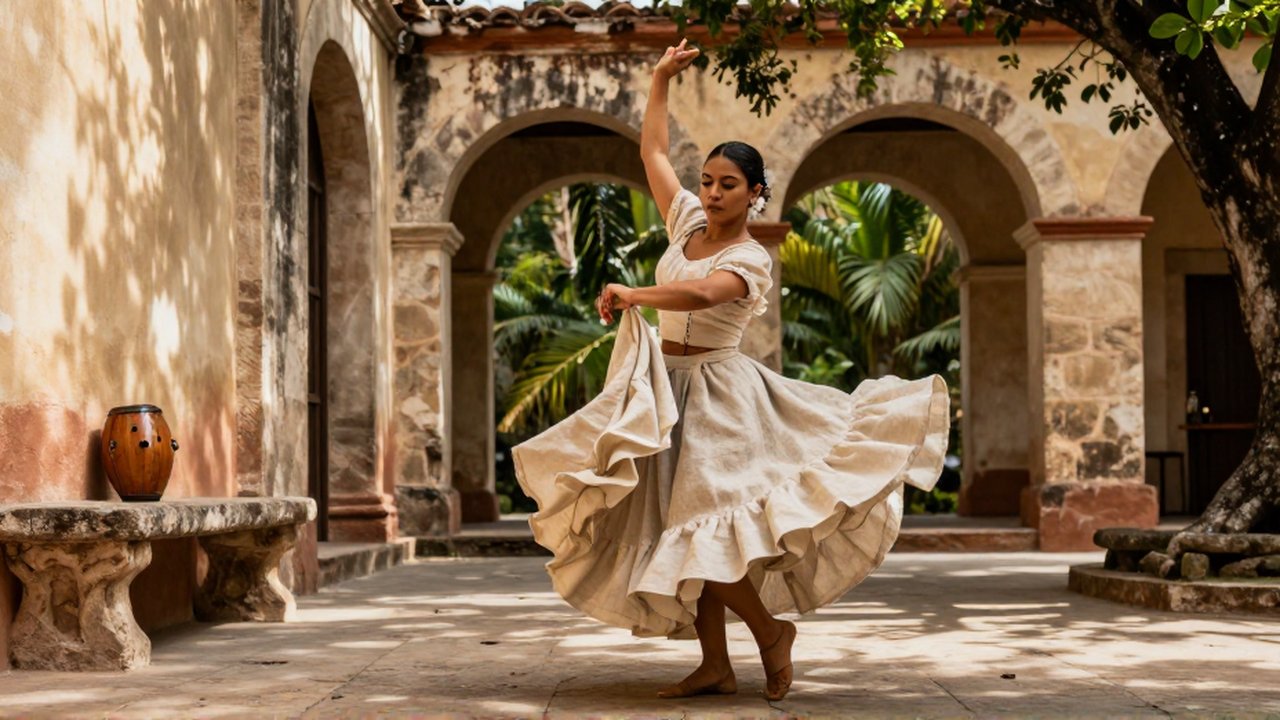
The earliest stage of Dominican dance is characterized by the deep integration of African spiritualism and communal ritual. Long before the formalization of modern genres, dance served as a primary vehicle for storytelling, religious devotion, and social cohesion among enslaved populations and their descendants. These early movements were often characterized by percussive footwork and complex torso isolations that synchronized with drums.
During this period, dance was often inseparable from specific ceremonies. The rhythms were largely polyrhythmic, emphasizing a connection to the earth and the divine. These movements were not performed on stages for an audience but were participatory experiences within the community. This fundamental stage established the foundational “swing” and syncopation that would later define more modern, structured styles.
The fusion of colonial and local influences
As the colonial structure stabilized, a significant evolutionary shift occurred through the blending of European courtly manners with African rhythmic vitality. This era saw the introduction of certain melodic structures and social etiquette from the Spanish influence, which began to interact with the existing African-based percussion and movement.
This stage is marked by a transition from purely ritualistic movement to more social, partner-oriented dances. The courtship elements seen in many traditional styles began to emerge here. While the heavy percussive pulse remained the heartbeat of the dance, the incorporation of more upright postures and specific steps reflected the subtle influence of European ballroom traditions. This hybridization created a unique cultural dialect where the body expressed both rebellion and adaptation.
Urbanization and the rise of modern rhythms

The 20th century brought a radical transformation driven by rapid urbanization and the influx of global media. As the population moved from rural agricultural settings to growing urban centers, traditional dances underwent a process of refinement and standardization. Genres like Merengue moved from being rural folk dances to becoming symbols of national identity and urban sophistication.
During this stage, the complexity of the movements often shifted toward technical mastery and performance suitability. The steps became more codified, allowing for the creation of dance troupes and formal competitions. This era also saw the introduction of new instruments and more melodic complexity, which in turn influenced the dancers to incorporate more fluid, rapid, and expressive movements. The dance became a tool for national pride and a way to project Dominican culture to an international stage.
Contemporary adaptations and global influence
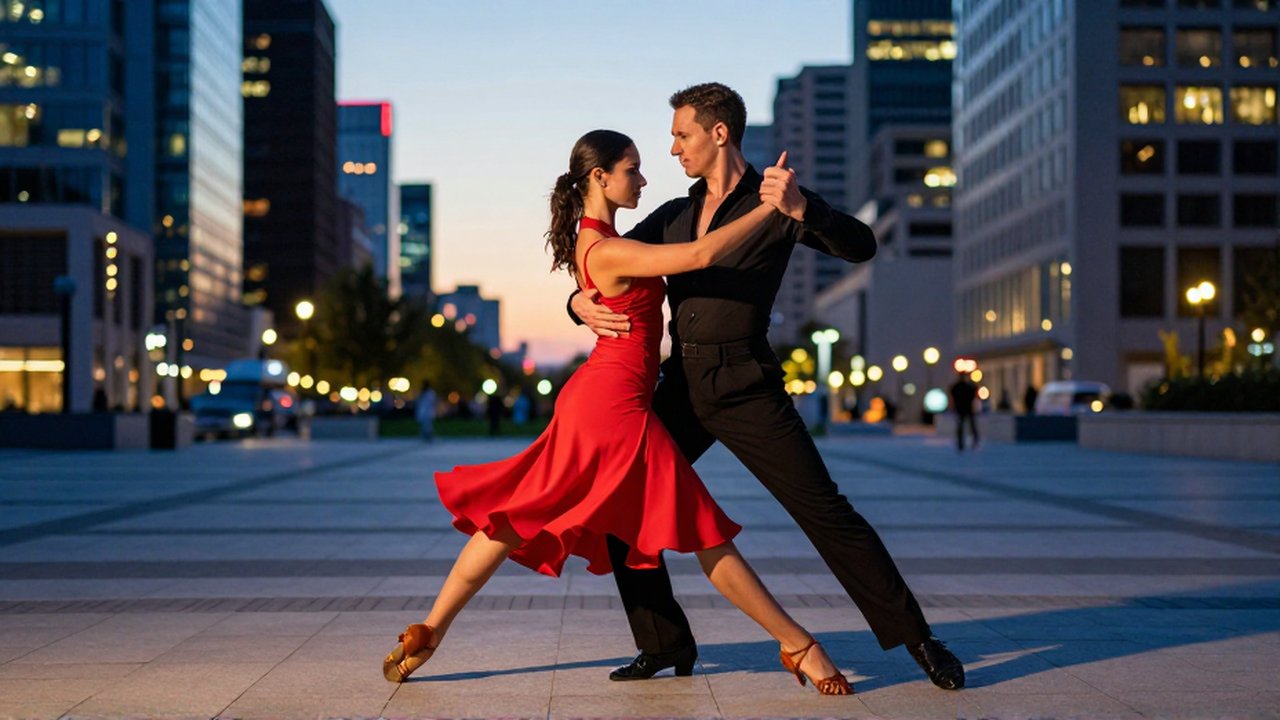
In the modern era, Dominican dance styles have entered a phase of globalized fusion. While the core identities of traditional styles remain intact, they are increasingly influenced by contemporary global trends such as hip-hop, jazz, and modern Latin pop. This has led to the emergence of hybrid styles that are frequently seen in professional dance studios and international music videos.
This evolutionary stage is defined by versatility. Modern dancers often blend traditional Dominican footwork with contemporary aesthetics to create something entirely new. While some purists express concern regarding the dilution of original forms, this adaptability is arguably what allows Dominican dance to remain a vibrant, living culture rather than a static museum piece. The tension between preserving tradition and embracing innovation is the defining characteristic of the current era.
Common questions about Dominican dance evolution
How did African influence shape Dominican dance? African influence provided the essential rhythmic foundation, characterized by syncopated beats, percussive footwork, and a strong connection to communal and spiritual expression, which remains the core of most Dominican styles.
What role did Merengue play in the evolution of dance? Merengue acted as a bridge between rural folk traditions and national identity. Its evolution from a simple social dance to a complex, globally recognized genre mirrors the country’s transition from an agrarian society to a modernized nation.
Is traditional dance still practiced in its original form? Yes, many rural communities continue to practice traditional dances in their original, ritualistic, or folkloric contexts, preserving the authenticity of the movements and the social purposes they were designed to serve.
What is the main difference between folkloric and social Dominican dance? Folkloric dance is typically performed to preserve heritage, often involving specific costumes and choreographed sequences for cultural displays, whereas social dance refers to the improvised and lived experience of dancing in community gatherings and celebrations.


Post Comment