How does Expressionism differ from Impressionism

Introduction
Understanding the distinction between Impressionism and Expressionism is essential for anyone looking to navigate the complexities of modern art history. While both movements represent significant departures from traditional realism, they embrace fundamentally different philosophies regarding how an artist perceives and translates the world onto a canvas. Recognizing these differences allows enthusiasts to better appreciate the intent behind a brushstroke and the emotional weight carried by various artistic eras.
Impressionism emerged as a way to capture the fleeting effects of light and color in a specific moment, focusing on the external world. Expressionism, appearing later, shifted the gaze inward, prioritizing the subjective psychological experience of the artist. By studying the contrast between the “eye” of the Impressionist and the “soul” of the Expressionist, one can unlock a deeper understanding of how visual language evolved to express the human condition.
Core philosophical differences between the two movements
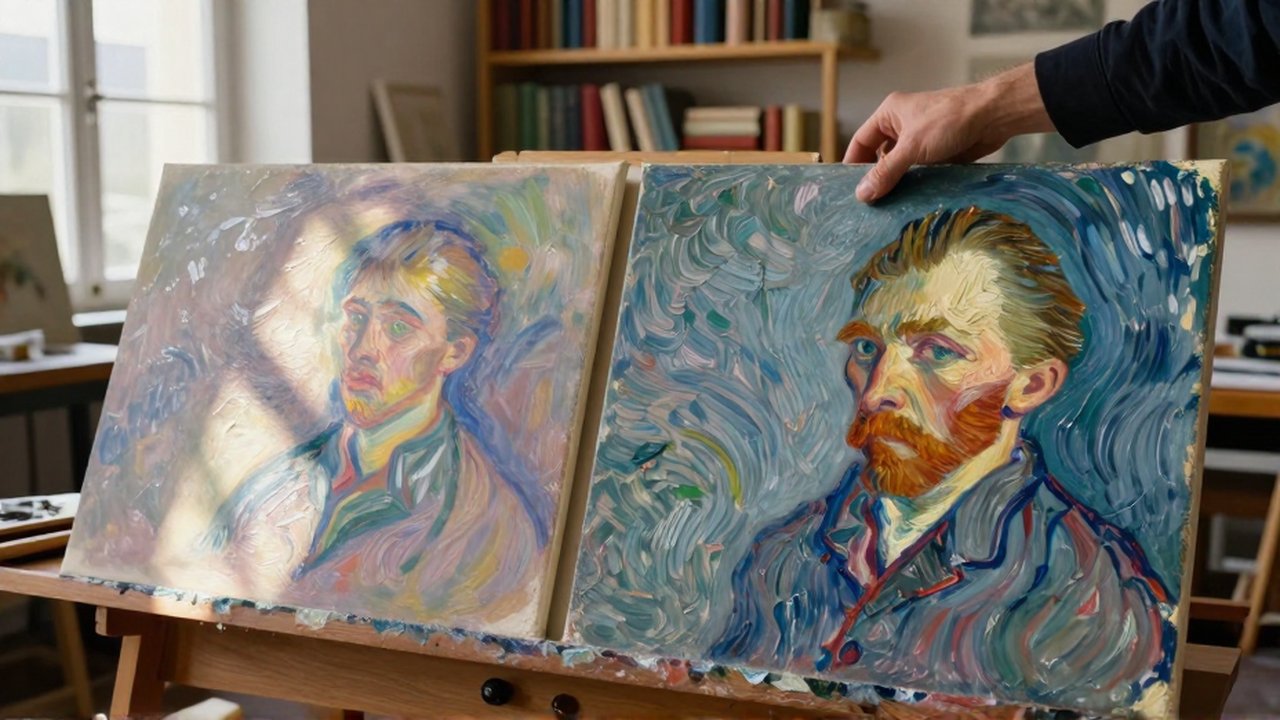
The primary distinction between these two movements lies in the direction of the creative process. Impressionism is an art of observation. The Impressionist artist stands before a landscape or a social scene and attempts to record the sensory effect of a particular moment. The goal is to capture the “impression” of light as it hits an object, often focusing on how time of day and weather conditions change the appearance of reality. It is an objective attempt to capture a subjective sensory experience.
In contrast, Expressionism is an art of emotion. Rather than trying to depict the world as it looks, the Expressionist artist seeks to depict how the world feels. The artist distorts reality to convey intense psychological states, such as anxiety, fear, passion, or alienation. The canvas becomes a mirror for the internal landscape of the human psyche rather than a window looking out onto a garden or a street.
Visual characteristics and technical approaches
The technical execution of a painting provides immediate clues as to which movement it belongs to. Because their goals differ, their methods of applying paint, selecting colors, and defining shapes are distinct.
Impressionism Techniques
- Light and Color: Artists focused on the play of natural light. They often used short, thin, visible brushstrokes to capture the vibration of light.
- Color Palette: They favored bright, vibrant colors and avoided the use of black paint, preferring to create shadows through complementary colors.
- Subject Matter: Common themes included landscapes, middle-class leisure activities, and scenes of everyday life captured in natural light.
- Atmosphere: The mood is generally pleasant, serene, or observational, emphasizing the beauty of the transient moment.
Expressionism Techniques
- Distortion and Abstraction: Artists frequently used exaggerated shapes, elongated figures, and swirling lines to create a sense of tension or movement.
- Color Palette: Colors were often non-naturalistic and jarring. A face might be painted green to signify sickness or envy; a sky might be blood-red to signify dread.
- Subject Matter: Themes often delved into the darker side of human existence, including social critique, existential angst, and raw human emotion.
- Atmosphere: The mood is often intense, unsettling, or highly charged, prioritizing impact over accuracy.
Comparison summary of artistic intent

| Feature | Impressionism | Expressionism |
|---|---|---|
| Primary Goal | To capture a fleeting moment of light | To express intense inner emotion |
| Perspective | External (the eye) | Internal (the soul) |
| Use of Color | Naturalistic light effects | Symbolic and non-naturalistic |
| Form | Soft edges and blurred details | Distorted and exaggerated shapes |
| Emotional Tone | Generally calm or observational | Often intense, heavy, or turbulent |
Common misconceptions in art analysis
A frequent mistake is assuming that because both movements use visible brushstrokes and bright colors, they are essentially the same. It is vital to remember that a brushstroke in Impressionism is used to simulate the flicker of light on water, whereas a brushstroke in Expressionism is used to convey the frantic energy of a troubled mind.
Another misconception is that Expressionism is simply “messy” Impressionism. This ignores the deliberate structural choices made by Expressionists. While Impressionism seeks a certain harmony with nature, Expressionism often seeks to break that harmony to provoke a reaction in the viewer. Understanding this distinction prevents the viewer from misinterpreting an artist’s technical skill or intent.
Frequently asked questions
Which movement came first? Impressionism emerged in the late 19th century, primarily in France, while Expressionism developed later, gaining significant momentum in the early 20th century, particularly in Germany.
Can a painting be both Impressionist and Expressionist? While they have different core philosophies, some artists have bridged the gap by using Impressionistic light techniques to convey deeper emotional themes, though technically they belong to different movements.
Is Impressionism more realistic than Expressionism? In terms of visual accuracy to the physical world, yes. Impressionism attempts to mimic how the eye perceives light, whereas Expressionism intentionally abandons physical accuracy to prioritize emotional truth.




Post Comment