How to improve texture in still life oil paintings
Introduction
Texture in still life oil painting is the tactile quality that gives objects depth, weight, and presence on a two-dimensional surface. By manipulating the thickness and application of paint, artists can differentiate between the smooth skin of a grape, the rugged surface of a ceramic vase, or the soft velvet of a draped cloth. Mastering texture is essential for creating a sense of realism and engaging the viewer’s sensory perception, moving a painting beyond a mere visual representation into a physical experience.
Improving texture requires a fundamental understanding of how oil paint behaves under different conditions. It involves a strategic combination of medium selection, brushwork techniques, and layering methods. When applied correctly, texture directs the viewer’s eye, enhances the play of light and shadow, and provides the structural integrity needed to make a still life composition feel grounded and authentic.
Importance of tactile variety in compositions
In a still life, the primary goal is often to capture the essence of inanimate objects. If every object in a painting is rendered with the same level of smoothness, the composition becomes visually monotonous. High-quality texture provides the contrast necessary to distinguish between different materials. For example, a polished silver platter should reflect light with a sharp, smooth sheen, whereas a rustic wooden bowl should absorb light through a more broken, uneven surface.
Strategic use of texture also aids in the perception of light. Raised areas of paint, known as impasto, catch actual physical light in the room, creating micro-shadows that add a sense of “life” to the canvas. This interaction between the physical medium and ambient light helps simulate the complexity of the real world, making the painted objects feel more tangible.
Mastering impasto and thick paint application

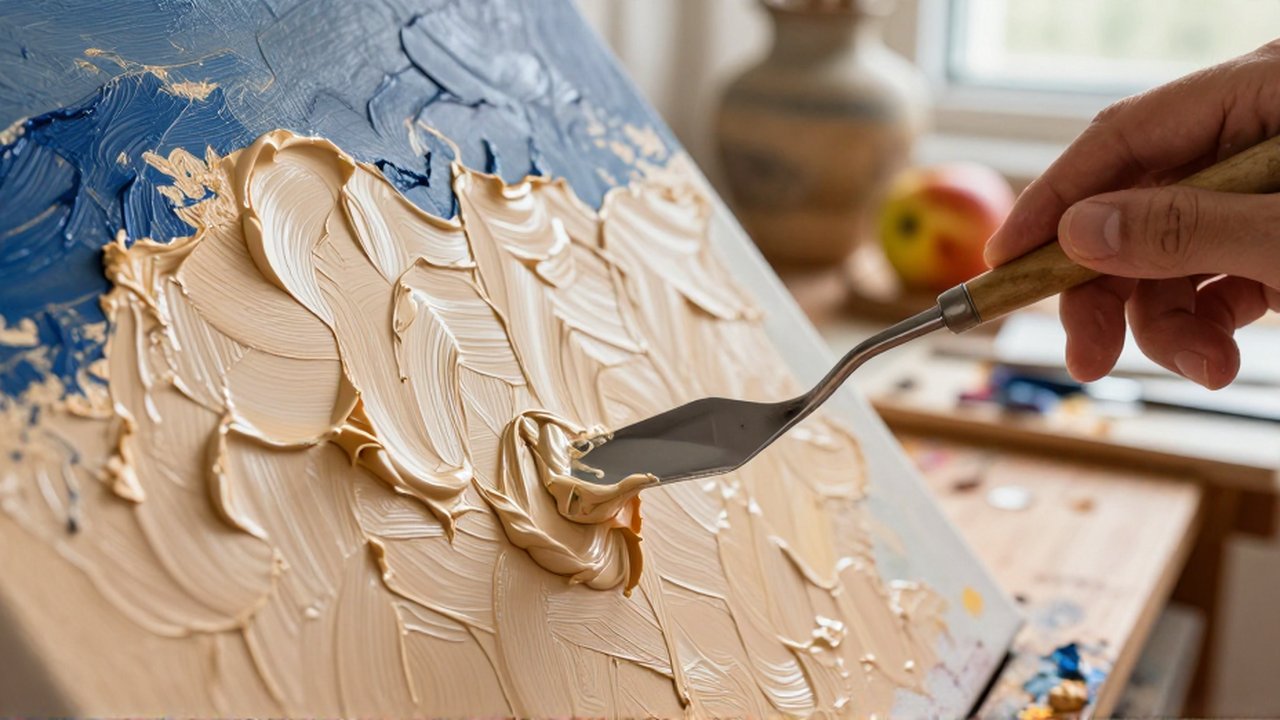
Impasto is one of the most effective ways to introduce physical texture. This technique involves applying paint in thick layers so that the brush or palette knife marks remain clearly visible. To achieve successful impasto in still life, follow these principles:
- Use a palette knife: While brushes can move paint, palette knives are superior for building high-relief textures and clean, sculptural edges.
- Medium selection: Pure oil paint may be too fluid for heavy impasto. Integrating thickeners or heavy-body mediums allows you to build volume without the paint collapsing or slumping.
- Highlight placement: Reserve the thickest applications for the brightest highlights of an object. This mimics the way light hits the peak of a physical surface.
Utilizing different mediums for varied effects
The way an artist thins or thickens their paint dictates the texture of the final layer. Understanding the relationship between oil, solvent, and medium is crucial for controlled application.
| Medium Type | Effect on Texture | Best Use Case |
|---|---|---|
| Linseed Oil | Reduces viscosity, creating a smooth, flowing texture. | Glazing and finishing smooth surfaces like glass. |
| Impasto Medium | Adds significant body and thickness to the paint. | Creating heavy textures, rocks, or rough fabrics. |
| Stand Oil | Increases gloss and creates a “long,” syrupy consistency. | Achieving rich, buttery strokes that hold their shape. |
| Solvents (Turpentine/Odorless Mineral Spirits) | Thins the paint significantly, making it watery. | Initial underpainting and preventing heavy buildup too early. |
Step by step approach to building layers

Texture should be built logically to avoid structural issues such as cracking or excessive drying times. A common mistake is attempting to place thick textures over wet, unstable layers.
- The Underpainting: Start with a thin, lean layer of paint. This establishes the tonal values and shapes without adding unnecessary bulk.
- Middle Layers: Build up the forms using a medium consistency. Focus on defining the edges and the transition between light and shadow.
- Textural Accents: Once the underlying structure is stable, apply your heavy impasto or highly textured strokes. This is where you define the specific “feel” of the objects.
- Glazing for Depth: For objects that require smoothness (like fruit or glass), apply thin, transparent glazes over settled layers. This creates a sense of internal glow and visual depth that thick paint alone cannot achieve.
Common mistakes when manipulating texture
One frequent error is applying heavy texture to every part of the canvas. This can make the painting feel cluttered and physically heavy, often distracting from the focal point. Texture should be used selectively to guide the eye.
Another risk is ignoring the “fat over lean” rule. If you apply thick, oil-rich layers over thin, solvent-heavy layers that have not dried sufficiently, the surface may crack as it cures. Always ensure that each subsequent layer has a higher oil content than the one below it to maintain the structural integrity of the painting.
Frequently asked questions
Can I use acrylic mediums in my oil paintings? No, you should not mix acrylic mediums directly into oil paint. However, you can use acrylic mediums for an initial texture layer on the canvas, provided it is completely dry before you begin applying oil paint over it.
How do I prevent thick paint from cracking? To prevent cracking, follow the “fat over lean” principle and avoid applying extremely thick layers of paint that might take years to dry. Using specialized impasto mediums designed for oils can help manage drying times and stability.
Does texture affect the drying time of a painting? Yes, thicker applications of paint take significantly longer to dry. While a thin wash might dry in days, an impasto section could take weeks or even months to cure fully.
How can I create a smooth texture for glass objects? To achieve a smooth, reflective texture for glass or polished metal, use a medium like linseed oil to thin your paint. Work in thin glazes and use soft brushes to blend transitions, avoiding any visible heavy brushstrokes.

Post Comment