Comparing relief printing and planographic printing techniques

Introduction
Printmaking is a diverse field of visual arts that allows artists to reproduce images through various mechanical processes. Understanding the distinction between different printing methods is essential for anyone looking to master the craft or appreciate the nuances of fine art editions. Two of the most fundamental approaches are relief printing and planographic printing, which operate on entirely different physical principles of ink application.
These techniques serve different artistic purposes and require different tools, materials, and levels of technical expertise. While relief printing relies on physical elevation to transfer ink, planographic printing utilizes chemical properties to achieve its results. Choosing between them depends on the desired aesthetic, the level of detail required, and the specific texture the artist wishes to achieve in the final print.
Basic principles of relief printing
Relief printing is one of the oldest and most intuitive methods of transferring an image to paper. The core principle is based on height: the parts of the printing surface that are meant to carry ink are raised, while the areas that are meant to remain white are carved away or sunken. When ink is applied—usually with a roller or brayer—it only touches the elevated surfaces of the matrix.
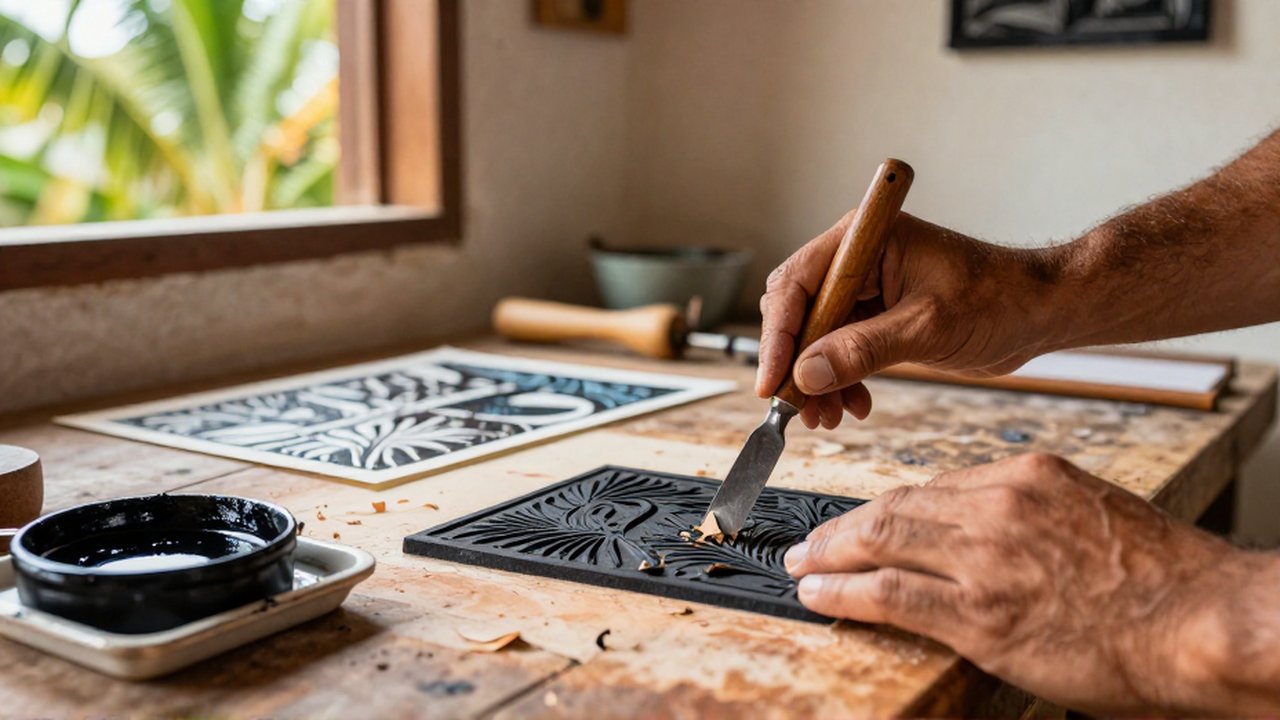
The most common materials used for relief printing include wood, known as woodcut, and linoleum, known as linocut. The process involves using sharp gouges and knives to remove material from the block. Because the artist is physically removing mass, the technique often results in bold, high-contrast images with strong lines and expressive textures. It is highly effective for graphic designs where clarity and powerful silhouettes are prioritized.
Characteristics of planographic printing
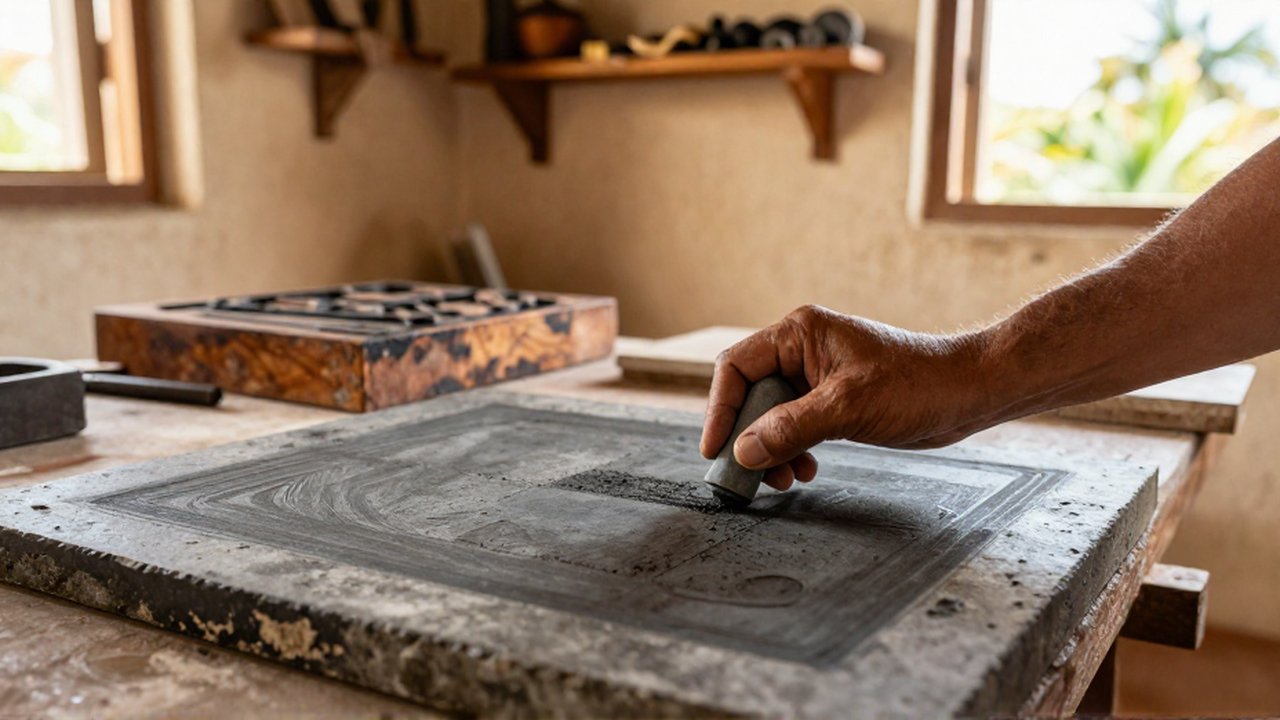
Planographic printing differs fundamentally because the printing surface remains entirely flat. There are no raised or recessed areas to hold the ink. Instead, this method relies on the chemical principle that oil and water do not mix. This is most famously seen in lithography, where an artist draws directly onto a stone or a specially treated metal plate using greasy tools.
In a planographic process, the surface is treated so that the greasy image areas attract ink, while the non-image areas are kept moist with water, which repels the oil-based ink. This allows for a much higher degree of subtlety than relief printing. Artists can achieve fine gradients, delicate shading, and textures that mimic charcoal or pencil drawings, making it a preferred choice for detailed, painterly compositions.
Key differences between the two methods
The choice between relief and planographic printing significantly affects the visual outcome and the technical workflow. The following table outlines the primary distinctions:
| Feature | Relief Printing | Planographic Printing |
|---|---|---|
| Surface Topography | Raised areas hold the ink | Completely flat surface |
| Mechanism | Physical carving and elevation | Chemical repulsion (oil vs. water) |
| Visual Style | Bold, graphic, high contrast | Detailed, tonal, painterly |
| Common Tools | Gouges, knives, rollers | Greasy crayons, litho stones, water |
| Common Methods | Woodcut, Linocut | Lithography |
Relief printing is often more accessible for beginners because it requires fewer complex chemical steps and can be done with relatively simple tools. Planographic printing, however, offers a level of tonal complexity that is difficult to achieve through carving, though it requires much more precise control over moisture and chemical balance.
Choosing the right technique for artistic goals
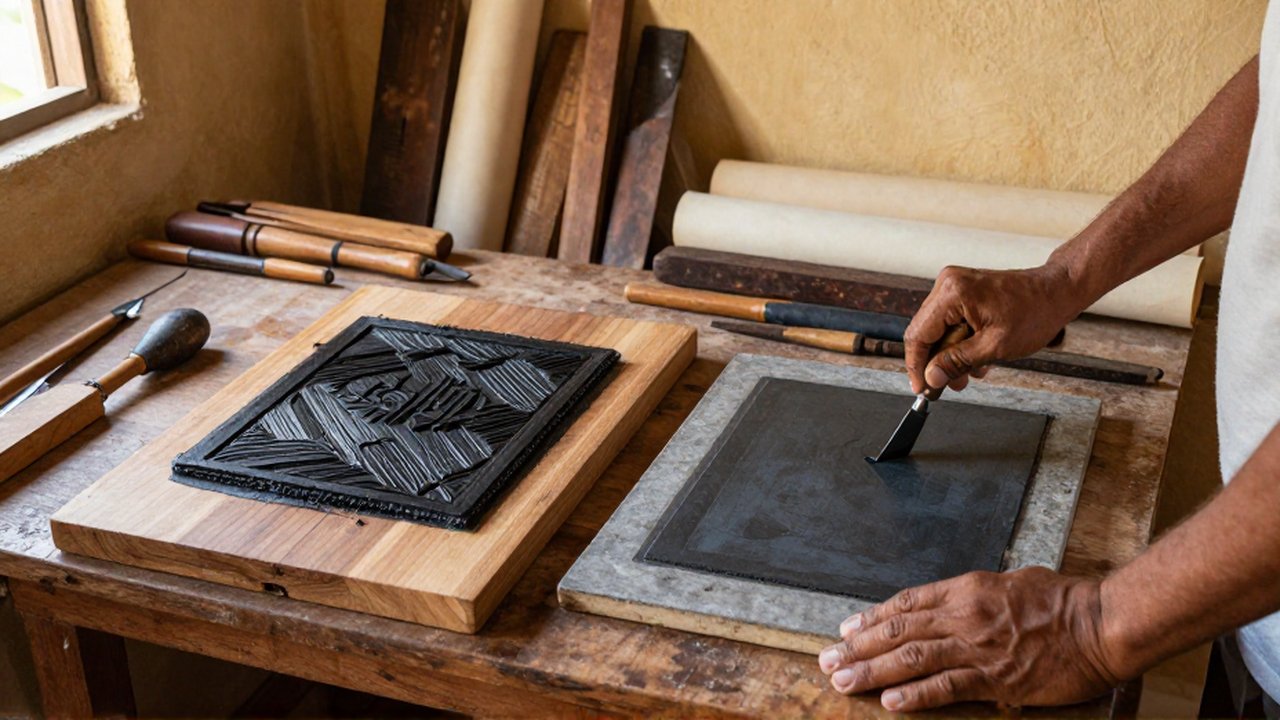
When deciding which technique to employ, an artist must consider the intended aesthetic of the piece. If the goal is to create a striking, minimalist image with heavy blacks and sharp white spaces, relief printing is the superior choice. The tactile nature of carving allows for a unique “hand-made” texture that defines much of the folklore and traditional folk art seen in various cultures.
On the other hand, if the goal is to reproduce a drawing with soft transitions, intricate hatching, or realistic shading, planographic printing is necessary. The ability to draw directly onto the surface without the resistance of carving wood or linoleum provides a freedom of movement that closely resembles traditional sketching. The complexity of the setup is a trade-off for the immense expressive range it provides.
Common mistakes in printmaking processes
In relief printing, a frequent error is carving too deeply or incorrectly, which can weaken the structural integrity of the block or lead to unintended “chatter” (marks left by the gouge in the white areas). Another common issue is applying too much ink, which can fill in the fine lines and muddy the final image.
In planographic printing, the most significant risks involve the chemical balance. If the stone or plate is not kept sufficiently wet during the inking process, the ink will bleed into the non-image areas, ruining the print. Conversely, if the surface is too wet, the ink will be repelled from the image entirely. Maintaining the delicate equilibrium between oil and water is the primary challenge of the planographic master.
Frequently asked questions
Which method is easier for beginners to learn? Relief printing, such as linocut, is generally considered more beginner-friendly because the physical mechanics are straightforward and it requires less specialized equipment and chemical management than planographic printing.
Can relief printing produce gradients? While difficult, it is possible to create some tonal variation through techniques like reduction printing or varying the pressure, but it will never be as smooth or seamless as the gradients achieved in planographic lithography.
What materials are essential for relief printing? Basic requirements include a printing block (wood or linoleum), carving tools (gouges), relief ink, a brayer (roller), and paper.
Is planographic printing used in commercial printing? Yes, the principles of planographic printing are foundational to modern offset lithography, which is one of the most widely used methods for high-volume commercial printing today.


Post Comment