What role did music play in Taíno culture
Introduction
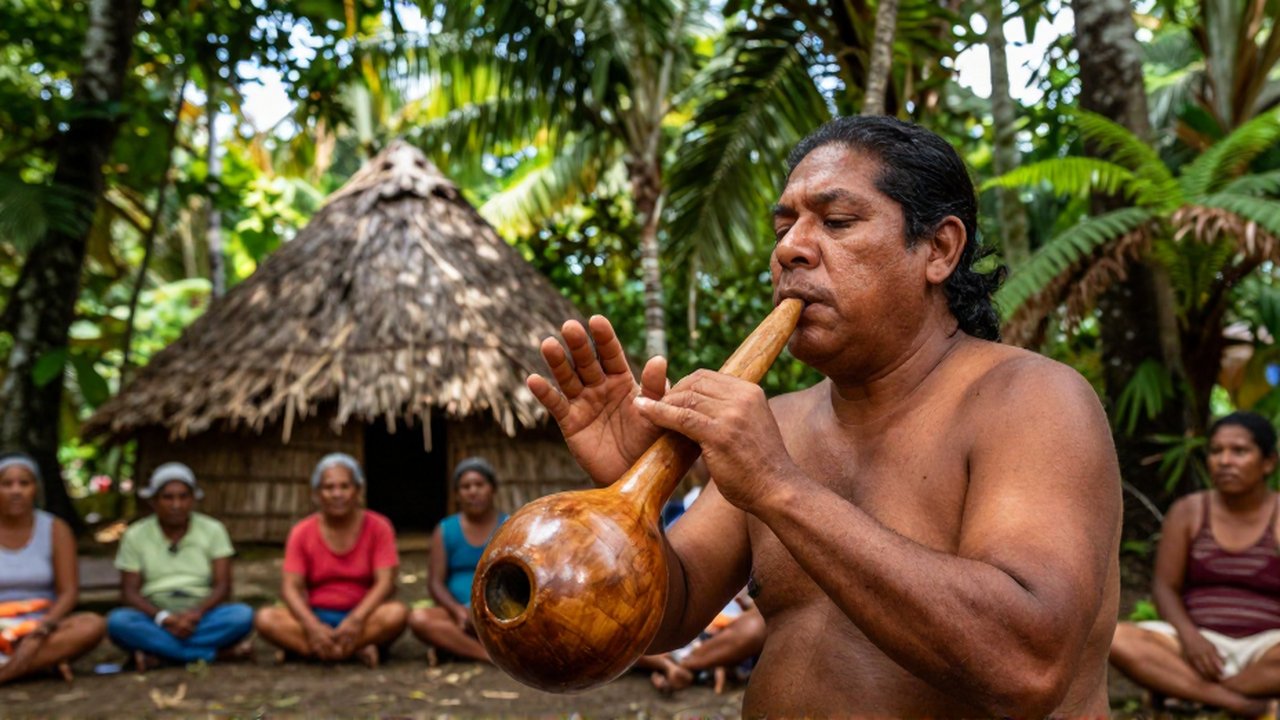
Music served as a fundamental pillar of Taíno society, acting as much more than a source of entertainment. For the indigenous people of the Greater Antilles, sound and rhythm were essential tools for spiritual communication, social organization, and the preservation of oral history. By integrating melodic patterns with dance and ritual, the Taíno established a profound connection between the earthly realm and the divine.
Understanding the role of music in Taíno culture is crucial for grasping how these societies maintained their identity and cohesion. Music was woven into the fabric of daily life, appearing in ceremonies, seasonal celebrations, and agricultural rites. It provided a rhythmic structure to their existence, helping to synchronize the community during significant transitions and collective gatherings.
The study of pre-Columbian musical traditions allows us to glimpse a world where art and spirituality were inseparable. Although much of their specific melodic knowledge was lost during the colonial era, the surviving archaeological evidence and ethnographic accounts provide a clear picture of a culture that valued harmony, percussion, and the symbolic power of sound.
The spiritual significance of sound and ritual

Music was the primary language used to interact with the spiritual world. The Taíno believed in various deities and ancestral spirits, known as cemís, who influenced everything from weather patterns to crop yields. Sound played a decisive role in summoning these entities or offering them respect during religious ceremonies.
During major rituals, such as the areyto, music functioned as a bridge. The rhythmic beat of drums and the chanting of sacred songs were believed to alter the consciousness of the participants, allowing them to enter a state of communion with the supernatural. These moments were not merely performances but vital communal duties intended to ensure the prosperity and protection of the village.
The use of specific instruments was often tied to these spiritual functions. Certain sounds were reserved for sacred contexts, while others might be used for social bonding. This distinction ensured that music remained a structured and respected element of their cosmological worldview.
Traditional instruments and their construction
The Taíno utilized a variety of instruments crafted from the natural resources available in their Caribbean environment. These instruments were primarily percussion-based, emphasizing rhythm to drive group movement and ceremonial pacing.
- Drums (Mayohuacán): Perhaps the most iconic instrument, the mayohuacán was a wooden slit drum. It was hollowed out from a single piece of wood and played with sticks. This instrument provided the heartbeat for many ceremonies and was central to the areyto dance.
- Percussion and Shakers: Various forms of rattles and shakers made from dried gourds, shells, or clay were used to provide high-frequency rhythmic textures. These were often used to complement the deeper tones of the drums.
- Wind Instruments: While percussion dominated, there is evidence of flutes and whistles made from bone, wood, or clay. These instruments could produce melodic lines that were likely used in both ritualistic and more personal settings.
The construction of these instruments was itself an act of importance, often involving specific materials and careful craftsmanship to ensure the object possessed the necessary “voice” to be effective in ceremony.
The areyto and social cohesion

The areyto was the most significant social and musical manifestation in Taíno culture. It was a complex event that combined music, dance, and oral storytelling. These gatherings served several critical social functions:
- Oral History Preservation: In a culture without a phonetic writing system, the areyto was the primary method for passing down legends, genealogies, and historical events. Through rhythmic chants, the community memorized and recited their heritage.
- Social Integration: These ceremonies brought different groups together, reinforcing a sense of shared identity and belonging. They were moments where the social hierarchy was acknowledged and community bonds were strengthened.
- Celebration of Cycles: Areytos were often timed with significant natural events, such as the planting of crops or the arrival of certain seasons, aligning the human community with the natural order.
Through the repetition of dance steps and the chanting of standardized verses, the areyto ensured that the collective memory of the Taíno people remained vibrant and accessible to new generations.
Common misconceptions about pre-Columbian music
A frequent mistake in discussing Taíno music is the assumption that it was merely “primitive” background noise. In reality, it was a highly sophisticated system of communication and social regulation. Another misconception is that music was solely a religious activity; while its spiritual weight was immense, it was also a vital tool for education and historical record-keeping.
Furthermore, it is important to recognize that while much of the specific musical structure was lost during the Spanish conquest, the influence of these rhythmic traditions can still be felt in the broader cultural evolution of the Caribbean.
Frequently asked questions
What was the most important instrument for the Taíno? The mayohuacán, or slit drum, was central to Taíno life, serving as the rhythmic foundation for both sacred rituals and social dances.
Did the Taíno use music for storytelling? Yes, music was inseparable from their oral tradition. Chants and songs were used during the areyto to memorize and recite history, myths, and important community events.
Was Taíno music only used in religious ceremonies? While music had a massive spiritual component, it was also used for social gatherings, celebrating agricultural cycles, and maintaining community cohesion through dance.



Post Comment