Importance of music in Dominican cultural festivals
Introduction
Music serves as the rhythmic heartbeat of Dominican life, acting as much more than mere entertainment during cultural celebrations. It is the fundamental element that defines the identity, communal spirit, and historical narrative of the Dominican Republic. From vibrant street parades to religious processions, music provides the structure and soul that turn local gatherings into profound expressions of cultural heritage.
Understanding the role of music in these festivals is essential for anyone looking to grasp the true essence of Dominican society. Music functions as a social glue, bringing together generations through shared melodies and dance. It preserves the memory of ancestral roots while simultaneously evolving to reflect the contemporary lifestyle of the island, making it an indispensable pillar of national pride.
Role of music in social cohesion and identity

In the Dominican Republic, cultural festivals are seldom silent. Music acts as a powerful tool for social cohesion, creating a bridge between individuals of various backgrounds and ages. During festivities such as the Carnival or local patron saint festivals, the sound of drums and brass instruments dictates the collective movement of the crowd, fostering a sense of belonging and unity.
The genres played during these events are often deeply tied to specific regions and historical periods. When a community gathers to hear traditional rhythms, they are not just listening to music; they are reconnecting with their lineage. This shared auditory experience reinforces a collective identity, ensuring that the values and stories of the Dominican people are passed down through the oral and melodic traditions of the community.
Primary musical genres in festive celebrations
The diversity of Dominican festivals is reflected in the variety of musical styles that accompany them. Each genre carries its own specific weight and historical context, influencing the atmosphere and type of celebration taking place.
- Merengue: Often considered the national dance, its fast-paced and infectious rhythm is a staple in almost any large-scale public festival. It brings an energy that encourages mass participation and dancing.
- Bachata: While often associated with romantic themes, Bachata provides a rhythmic backbone to various social gatherings, offering a different emotional texture to the festivities.
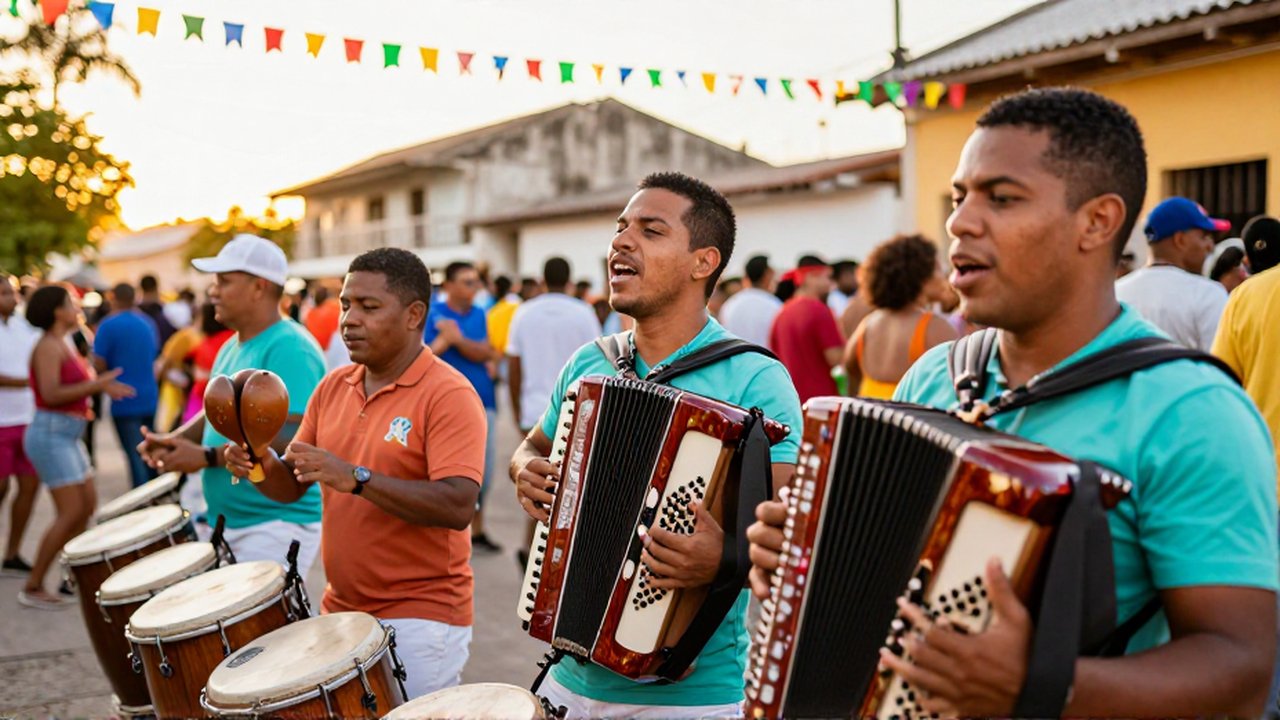
- Perico Ripiao: This specific style of traditional Merengue, characterized by the use of the accordion, güira, and tambora, is essential during rural festivals and traditional folklore displays.
- Congos and Drumming: In many religious and historical festivals, particularly those with African roots, the rhythmic patterns of drums are central to the ritualistic and ceremonial aspects of the event.
Symbolic and ritual significance of sound
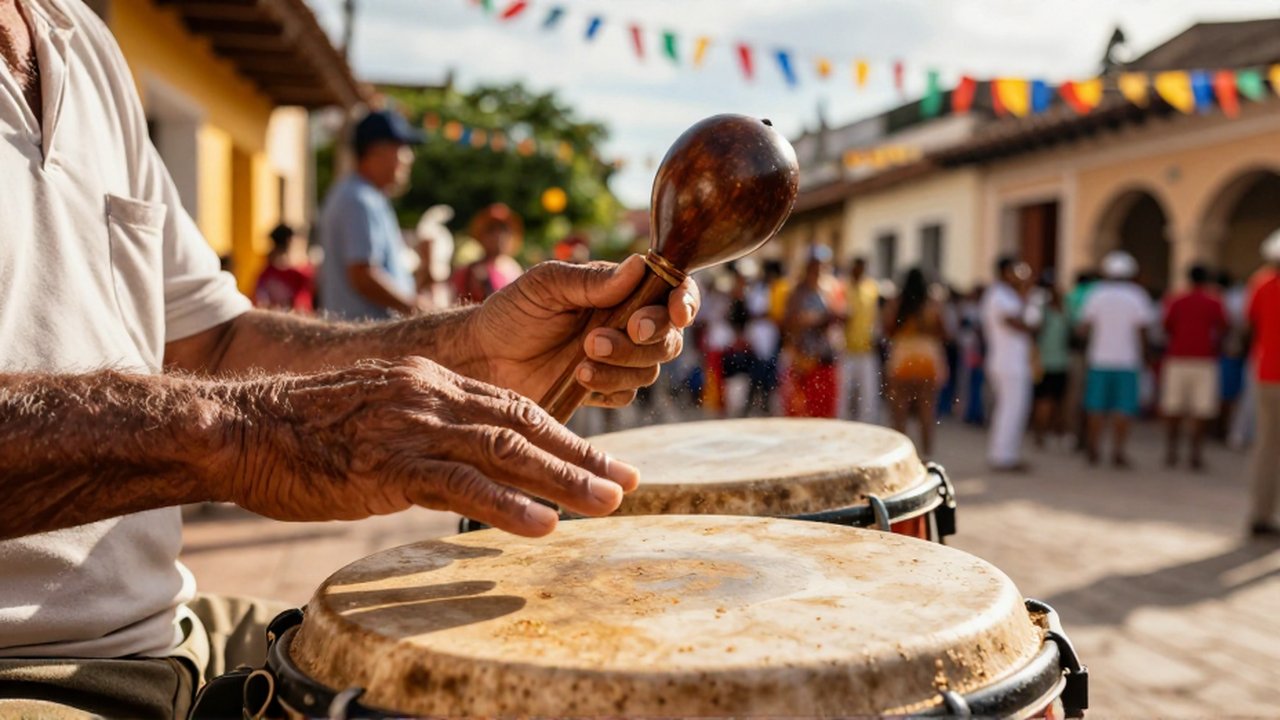
Music in Dominican festivals often transcends the boundaries of secular joy, entering the realm of the sacred and the ceremonial. In religious festivals, music is used to communicate with the divine, guide processions, and sanctify the space. The cadence of the music can shift from the exuberant sounds of a street parade to the solemn, rhythmic chants used in liturgical celebrations.
Furthermore, music serves as a vessel for historical storytelling. Through song lyrics and traditional rhythms, many festivals narrate the struggles, triumphs, and daily lives of the Dominican people. This symbolic function ensures that the festivals are not just moments of pause in daily life, but significant educational and spiritual milestones that honor the past while celebrating the present.
Connection between music and traditional dance
It is impossible to separate music from dance in the context of Dominican festivities. The two are inextricably linked, forming a symbiotic relationship where the rhythm dictates the movement and the movement, in turn, breathes life into the music.
In festivals like the Carnival, the music provides the tempo for elaborate dances performed by characters in heavy, ornate costumes. The percussion directs the steps of the dancers, creating a visual and auditory spectacle that is coherent and powerful. This synchronization between sound and motion is what characterizes the high-energy atmosphere of Dominican cultural life, transforming a simple gathering into a dynamic performance of cultural endurance.
Frequently Asked Questions
How does music influence the atmosphere of a Dominican festival? Music sets the emotional tone of the event, whether it is the high-energy excitement of Merengue in a street parade or the solemnity of traditional drumming in a religious ceremony.
Is there a difference between music in urban and rural festivals? Yes, while Merengue is a national staple, rural festivals often lean more heavily on traditional styles like Perico Ripiao and specific percussion-led rhythms that reflect local folklore.
What instruments are most common in festive music? The tambora (drum), güira (scraper), and accordion are quintessential to many festive genres, alongside various types of drums used in Afro-Dominican traditions.
Can music be considered a way to preserve history in the Dominican Republic? Absolutely. Many traditional songs and rhythms carry the history of the people, preserving ancestral customs and stories through melodic tradition.



Post Comment