What are the main ingredients in traditional Sancocho
Introduction
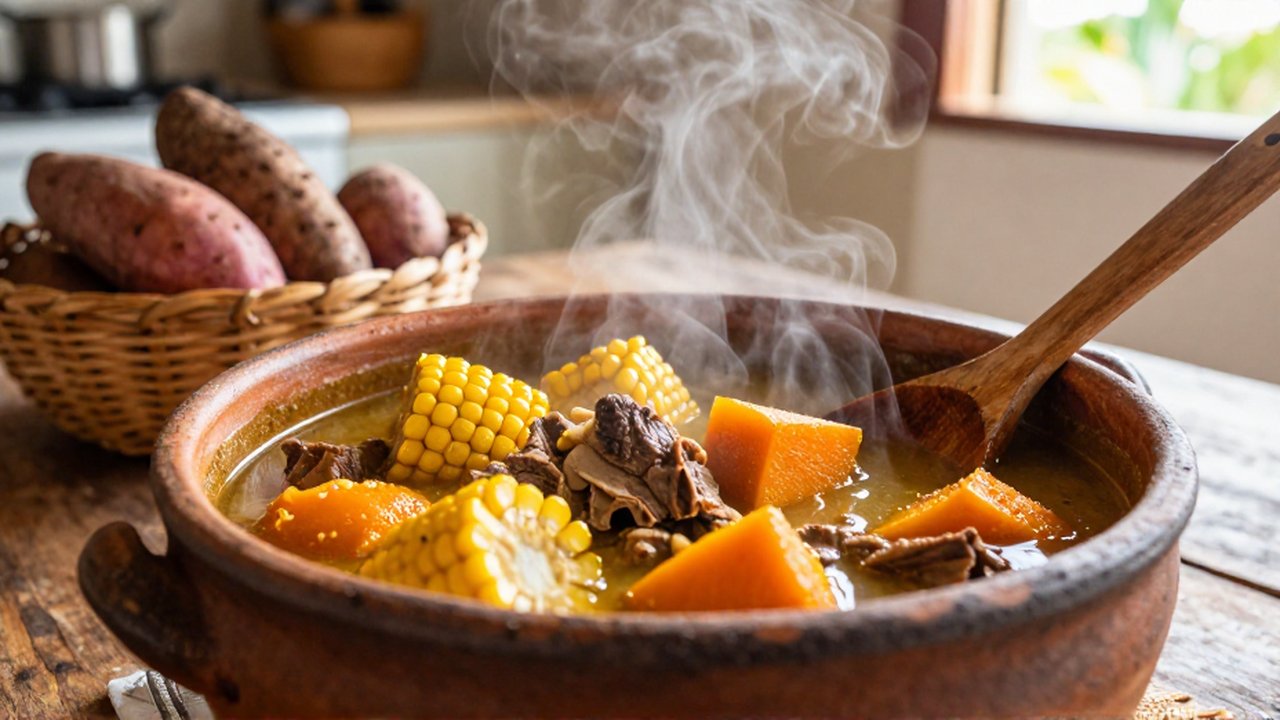
Sancocho is more than just a hearty stew; it is a cornerstone of Dominican culinary identity and a symbol of communal gathering. This thick, nourishing soup is traditionally prepared during large family celebrations, holidays, and Sunday gatherings, serving as a centerpiece that brings people together. Its rich texture and complex flavors make it a staple of Caribbean comfort food, representing the fusion of various agricultural and cultural influences found in the Dominican Republic.
Understanding the ingredients of a traditional Sancocho is essential to appreciating the depth of the dish. Unlike lighter soups, Sancocho relies on a heavy concentration of starchy vegetables and various meats to create a dense, almost porridge-like consistency. Each ingredient plays a specific role, from the aromatic base that provides the foundation to the proteins that offer substance, ensuring that the final result is both filling and deeply flavorful.
The essential meat components

A true Dominican Sancocho is distinguished by its variety of meats. While modern adaptations might simplify the recipe, the traditional version often utilizes a combination of different proteins to create layers of flavor. The goal is to achieve a savory broth that carries the essence of each meat used.
Commonly included meats are:
- Beef: Usually tougher cuts that benefit from long simmering times, providing a deep, savory base.
- Pork: Often included in the form of ribs or salted pork, adding a specific fatty richness to the stew.
- Chicken: Provides a lighter protein element that helps balance the heavier meats.
- Goat or Kid: In many traditional households, goat meat is a preferred addition, offering a distinct and robust flavor profile.
The combination of these meats ensures that the broth is not merely a liquid, but a concentrated essence that coats the vegetables and starches.
The variety of starchy vegetables
The “heart” of the Sancocho lies in its selection of tubers and starchy vegetables, often referred to as víveres. These ingredients are responsible for the thick consistency of the stew. As they simmer, some of the starches are released into the liquid, naturally thickening the soup without the need for flour or artificial thickeners.
The most important starch components include:
- Yuca (Cassava): A fundamental root vegetable that provides a creamy texture.
- Plátanos (Plantains): Usually green plantains are used, which add a specific density and a subtle earthy flavor.
- Yautía (Taro): This root is crucial for achieving the characteristic thickness of the liquid.
- Batata (Sweet Potato): Adds a hint of natural sweetness to balance the savory meats.
- Auyama (Pumpkin/Squash): Often cooked until it partially breaks down, giving the broth a warm, golden color and a silky mouthfeel.
Aromatics and seasoning profile

The flavor profile of Sancocho is achieved through a meticulous layering of aromatics. Without the correct seasoning, the various meats and tubers might taste disconnected. The Dominican tradition relies heavily on fresh ingredients to create a bright, fragrant base.
The seasoning process typically begins with a combination of garlic, onions, and bell peppers. These are sautéed to release their oils before the liquids and proteins are added. Cilantro and oregano are the primary herbs used to provide a fresh, herbaceous lift to the heavy ingredients. Additionally, many cooks use ají gustoso, a specific type of Caribbean sweet pepper, to provide a characteristic aroma that is unique to the region. Salt and pepper are the final essential elements, used to harmonize the richness of the pork and the sweetness of the tubers.
Common variations and regional differences
While there is a standard “ideal” for what a traditional Sancocho should be, there is significant flexibility depending on the household or the specific region. Some families may focus on a “Sancocho de Gallina” (chicken Sancocho), which is lighter, while others prefer the “Sancocho de Siete Carnes” (seven-meat Sancocho) for major festivities.
The choice of ingredients often depends on seasonal availability and the economic context of the household. However, regardless of the specific proteins or the number of vegetables used, the principle remains the same: a slow-cooked, multi-ingredient stew that prioritizes freshness and a thick, comforting texture.
Frequently asked questions
What makes Sancocho different from a regular soup? Sancocho is significantly thicker and more substantial than a standard soup. Due to the high volume of starchy tubers like yuca and plantains, it often borders on being a stew or a meal in itself, rather than just a starter.
Can I make Sancocho without pork? Yes, it is possible to make Sancocho using only beef or chicken, but the traditional flavor profile is often considered less complete without the fat and richness that pork provides.
Is Sancocho served with rice? While it is hearty enough to be eaten on its own with a side of avocado, it is very common to serve Sancocho alongside white rice to soak up the rich, flavorful broth.
Why is the broth often yellow or orange? The color typically comes from the addition of auyama (pumpkin or squash), which melts into the liquid during the long simmering process, tinting the broth naturally.


Post Comment