Cultural development during the Dominican Republic’s early republic
Introduction
The period following the establishment of the Dominican Republic as a sovereign nation in the mid-19th century was a transformative era for the country’s identity. This era marked the transition from colonial structures to the creation of a self-defined national consciousness. Understanding this cultural development is essential for grasping how modern Dominican customs, arts, and social values were forged amidst political instability and the quest for independence.
During this early republic, culture served as a tool for nation-building. Intellectuals, artists, and local communities worked to distinguish the Dominican spirit from its former colonial rulers while integrating various ethnic influences. This development is important because it laid the foundation for the country’s unique artistic heritage, encompassing literature, music, and social traditions that continue to define the Caribbean landscape today.
Foundations of a national identity

The birth of the republic necessitated the creation of symbols that could unite a fragmented population. For much of the early 19th century, the cultural landscape was a blend of Spanish colonial legacies and the deep-seated traditions of African and indigenous descendants. As the state solidified, there was a conscious effort to cultivate a “Dominican” identity that set the nation apart from its neighbors.
Intellectual life began to flourish in urban centers, primarily focused on establishing a sense of history and legitimacy. This was not merely a political movement but a cultural one, where the concept of the “patria” (homeland) was explored through literature and local chronicles. The early republic saw the beginnings of a formal educational structure, which played a crucial role in disseminating these new national ideals among the growing middle class.
Literary and journalistic influence
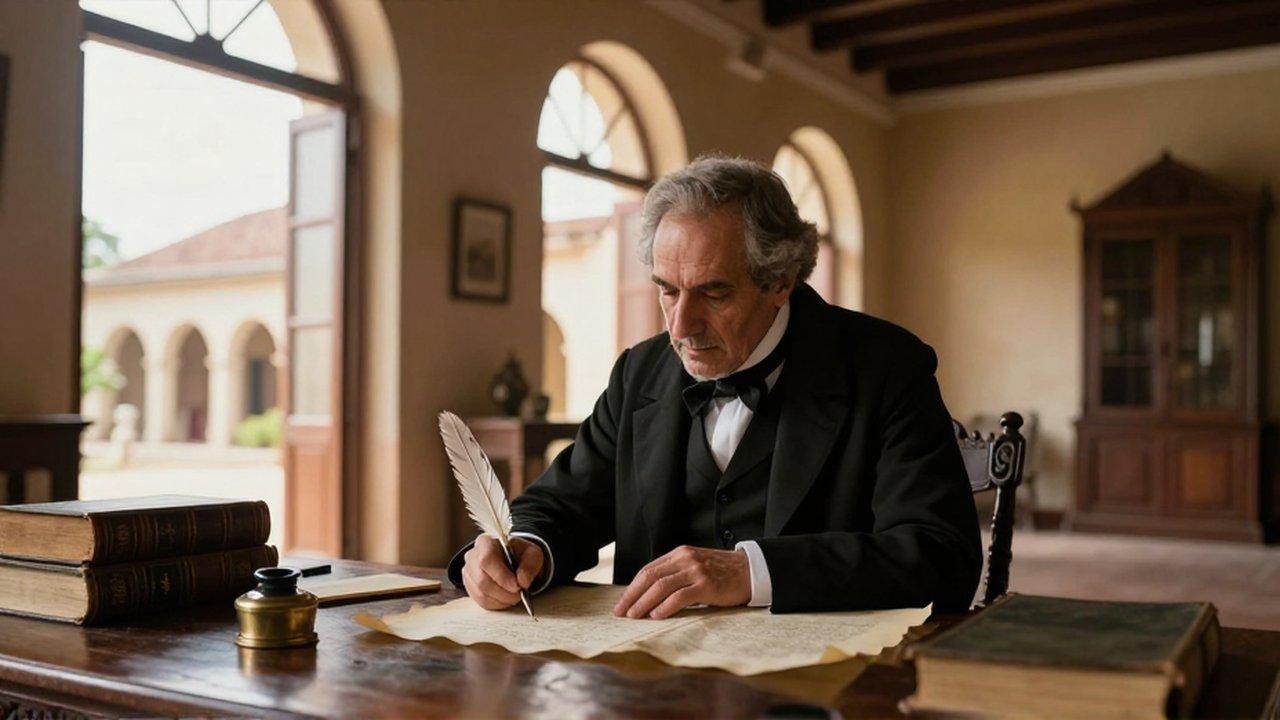
During the early republic, literature and the press were inextricably linked. Journalists were often the primary thinkers and poets of the age, using newspapers to debate not only political matters but also philosophical and aesthetic questions. This dual role meant that the written word was the most potent medium for spreading cultural ideas.
- Political Pamphleteering: Used as a tool for disseminating revolutionary ideas and nationalistic sentiment.
- Oratory and Poetry: Public readings and rhythmic prose became essential for celebrating national heroes and local landscapes.
- Intellectual Salons: Small gatherings of the educated elite allowed for the cross-pollination of European liberal ideas and local realities.
The literature of this period was characterized by a struggle to find a native voice. While many writers were trained in classical European traditions, they began to apply these techniques to describe the local environment, the cruelty of tropical climates, and the complexities of post-colonial life.
Artistic expressions and social traditions

Visual arts and music in the early republic were deeply influenced by the social stratification of the time. While the elite often looked toward European trends in portraiture and architecture to signal refinement, the broader population maintained vibrant, oral, and communal traditions that formed the core of folk culture.
Music served as a primary vehicle for cultural continuity. Although formal musical institutions were still developing, the rhythms of the era were a melting pot of influences. These sounds were not just entertainment but were tied to religious festivals, social gatherings, and the rhythmic life of rural communities. Similarly, traditional crafts and domestic arts provided a visual language for the common experience, often reflecting the natural resources available in the Caribbean landscape.
Challenges to cultural continuity
The development of a stable culture was frequently interrupted by the political volatility that defined the early years of the republic. Civil wars, shifts in government, and foreign interventions created an environment of uncertainty that often diverted resources away from the arts and toward military survival.
| Challenge | Impact on Culture |
|---|---|
| Political Instability | Interrupted the establishment of permanent cultural institutions and museums. |
| Economic Constraints | Limited the patronage available for visual artists and musicians. |
| Foreign Influence | Created a tension between adopting “modern” foreign styles and preserving local traditions. |
Despite these risks, the resilience of local customs ensured that the cultural fabric remained intact. The “bottom-up” development of culture—driven by the people rather than just the state—proved to be a significant safeguard against the disruptions caused by the “top-down” political struggles.
Frequently asked questions
How did politics affect culture during this period? Political instability often hindered the creation of formal institutions like academies or national museums, but it also fueled a surge in patriotic literature and art used to define the new nation.
What were the main influences on Dominican culture in the early republic? The culture was a complex synthesis of Spanish colonial heritage, African traditions, and rising liberal ideas from Europe and North America.
Was there a divide between elite and popular culture? Yes, there was a noticeable divide. The elite often favored European-style arts and literature, while the broader population maintained and developed local music, oral traditions, and folk customs.
What role did the press play in cultural development? The press was vital; many of the era’s most important writers were journalists who used newspapers to spread nationalistic ideas and debate the cultural direction of the country.


Post Comment