What role did sugar plantations play in Dominican culture
Introduction
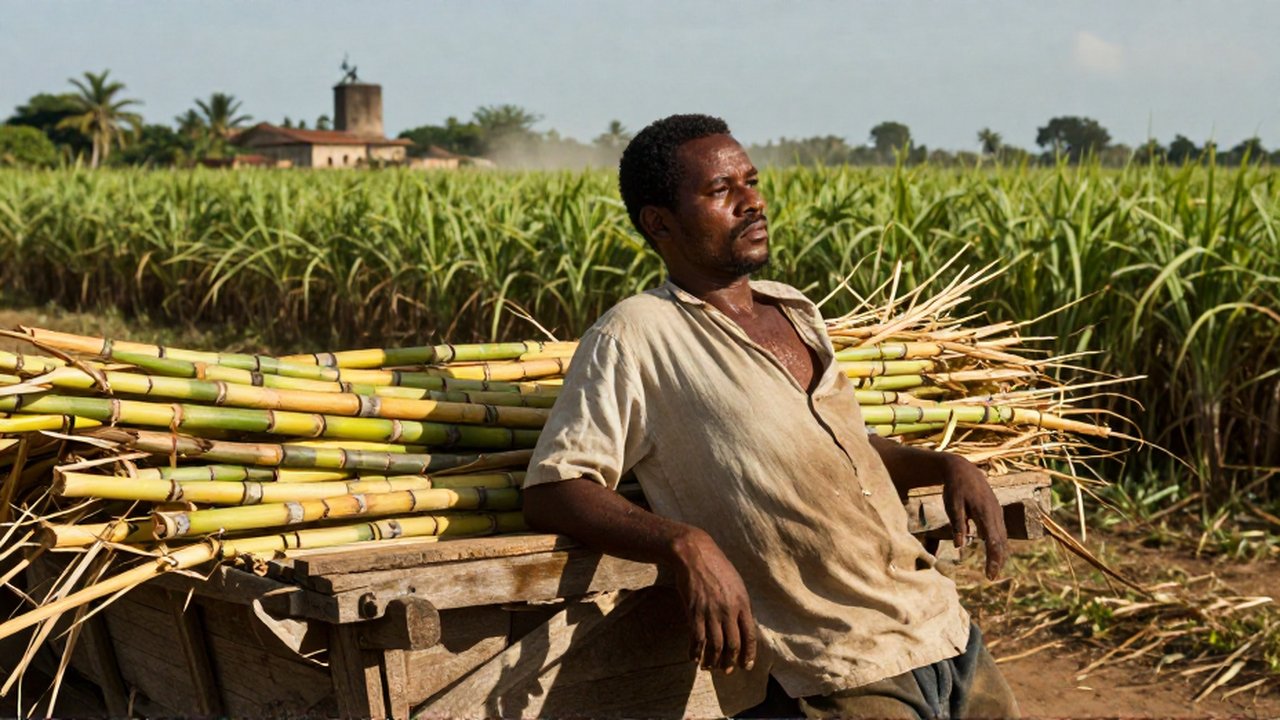
The history of the Dominican Republic is inextricably linked to the evolution of the sugar industry, a force that reshaped the island’s demographic, social, and economic landscape. For centuries, sugar plantations acted as the primary engine of the economy, driving trade and migration while dictating the structural organization of much of the territory. Understanding this role is essential for grasping the complex identity of the nation, as the plantation system was not merely an industrial endeavor but a fundamental architect of the country’s social hierarchy.
This influence manifests in nearly every aspect of modern Dominican life, from the rhythms found in traditional music to the linguistic nuances and culinary traditions that define the people. By examining the legacy of these estates, one can trace the roots of the Dominican cultural synthesis—the profound blending of African, European, and indigenous influences that emerged from the crucible of the plantation era. Exploring this history provides necessary context for the nation’s contemporary social fabric and its historical struggles for autonomy and identity.
The demographic transformation of the island
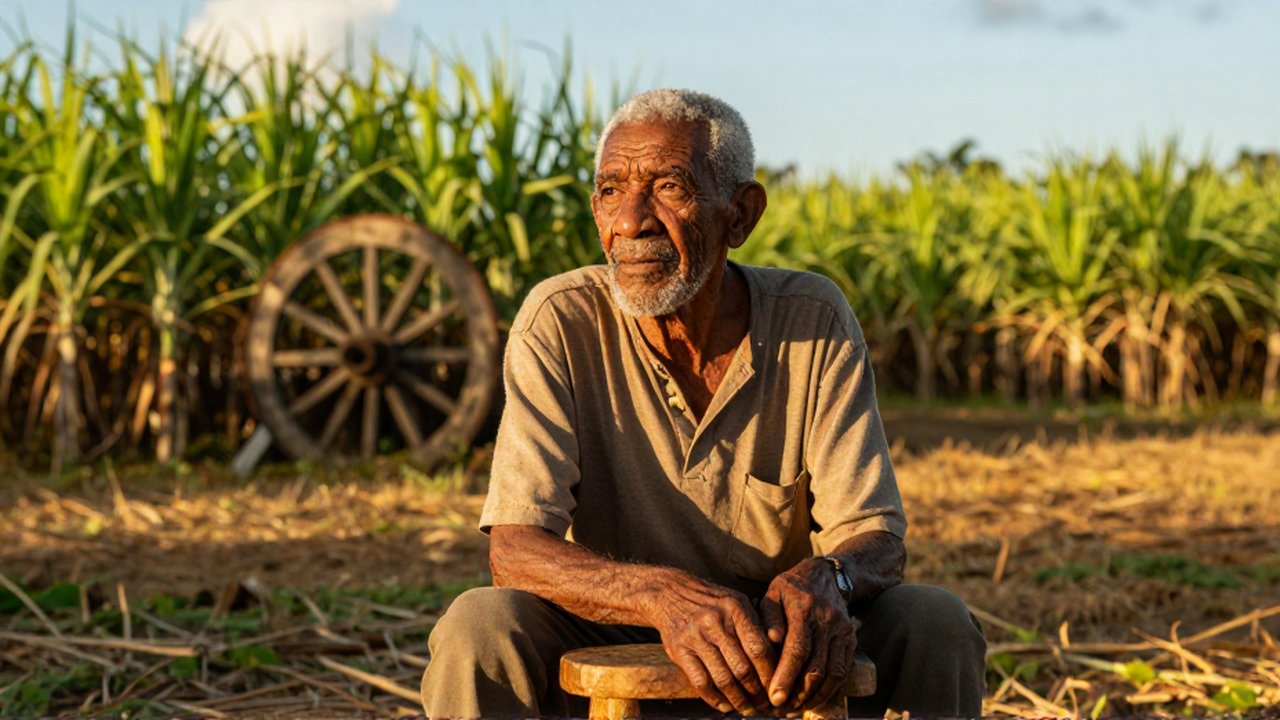
One of the most significant impacts of the sugar industry was the massive shift in population composition. As the demand for sugar grew, so did the demand for labor, leading to the large-scale forced migration of enslaved Africans to the island. This influx fundamentally changed the ethnic makeup of the Dominican Republic, moving it away from its early colonial structures toward a diverse, multi-ethnic society.
The concentration of labor on vast estates created distinct communities where African traditions were preserved and adapted. These populations developed unique ways of maintaining their heritage despite the oppressive conditions of the plantation system. Over time, this demographic shift led to the creation of a unique cultural identity characterized by:
- Racial Synthesis: The blending of African features, traditions, and social structures with Spanish colonial influences.
- Language Evolution: The development of local dialects that incorporated African linguistic rhythms and vocabulary.
- Community Resilience: The formation of strong communal bonds within working-class populations that persist in modern social organization.
Influence on music and performing arts
The sugar plantations served as a melting pot for musical expression. The sounds that define Dominican culture today, such as Merengue and Bachata, find their rhythmic and social roots in the environments created by the sugar industry. The synchronization of labor, the communal gatherings, and the specific instruments brought by enslaved people converged to create new art forms.
Music often functioned as a tool for both survival and expression. In the fields and worker housing, rhythms were used to coordinate work or to provide a psychological escape from the rigors of manual labor. The percussion-heavy nature of many Dominican styles can be traced back to the drum traditions preserved by African populations. These musical genres were not merely entertainment; they were historical records of the joys and hardships experienced by the laboring classes, eventually moving from the plantation periphery to the center of national identity.
Culinary traditions and social habits
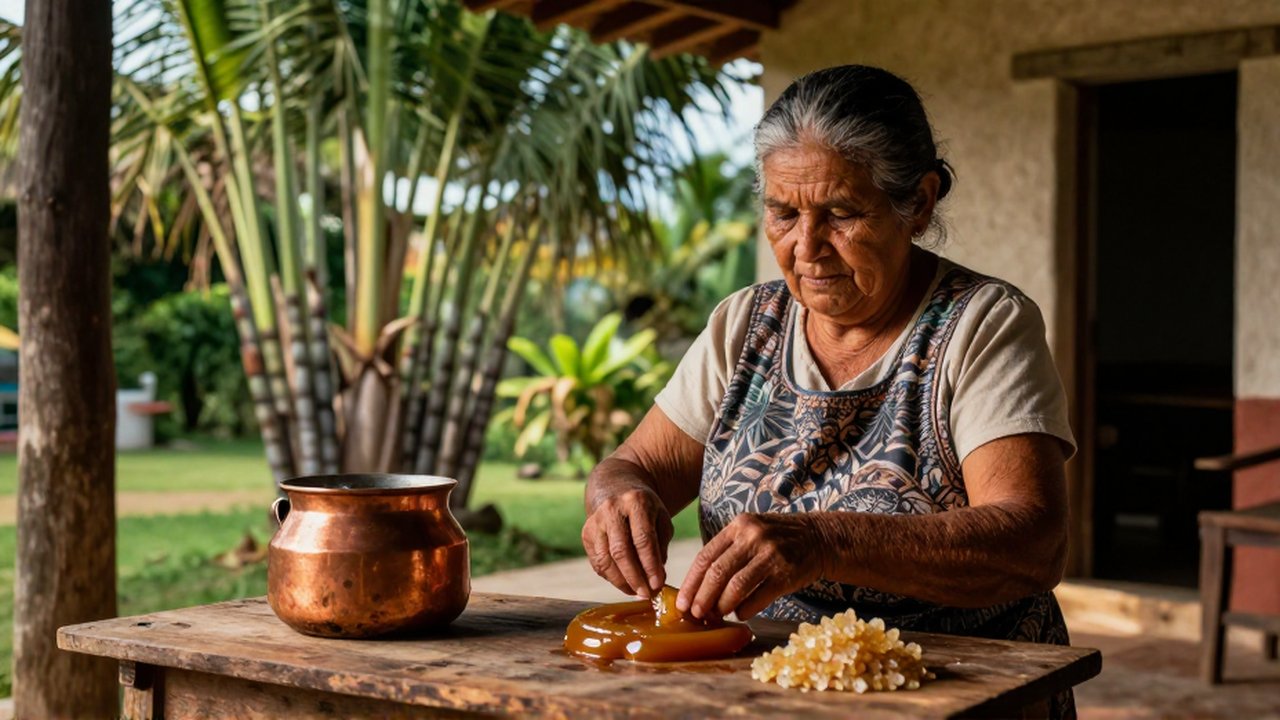
The diet and culinary habits of the Dominican people were heavily influenced by the agricultural realities of the sugar era. The plantation economy dictated what was grown, what was imported, and how food was prepared for large numbers of laborers. This era contributed to the development of “comida criolla,” a cuisine that relies on a mix of local staples and ingredients introduced through global trade routes.
Sugar itself became a central element of the Dominican palate, appearing in everything from traditional sweets to beverages. However, the culinary heritage is more broadly defined by the fusion of ingredients:
| Component | Cultural Origin | Role in Dominican Cuisine |
|---|---|---|
| Root Vegetables | Indigenous/African | Essential staples like yuca and malanga used in daily meals. |
| Spices/Grains | European/African | Used to create complex flavors in stews and rice dishes. |
| Sugar/Molasses | Global Trade | Integral to the production of traditional desserts and sweets. |
Economic structures and social hierarchy
Beyond the arts, the sugar industry established a socio-economic hierarchy that lasted for generations. The plantation system created a rigid class structure, often divided by land ownership, wealth, and racial background. This stratification influenced the distribution of power and resources, shaping the political landscape of the country.
The concentration of land in the hands of few elites created a pattern of economic dependency that many historical eras struggled to break. Even as the country modernized and moved toward other industries, the legacy of the “latifundio” (large estate) system influenced how land reform and social equality were approached in later centuries. This economic history is crucial for understanding the country’s ongoing efforts toward social development and the historical tension between rural labor and urban political power.
Frequently asked questions
How did sugar plantations affect the language of the Dominican Republic? The plantation era facilitated the blending of Spanish with African linguistic influences, contributing to unique rhythmic patterns and specific vocabulary used in local dialects.
Is the influence of sugar plantations still visible in modern Dominican music? Yes, many traditional genres, such as Merengue, have roots in the communal and rhythmic expressions developed by the laboring populations on and around the sugar estates.
What is the primary demographic legacy of the sugar industry? The industry drove the large-scale migration of African people to the island, resulting in the diverse, multi-ethnic population that characterizes the Dominican Republic today.
Did the sugar industry impact the national diet? It did, by fostering a specific culinary synthesis where African, European, and local ingredients were combined, alongside the widespread use of sugar and molasses in traditional foods.


Post Comment