Benefits of contemporary dance training for young performers

Introduction
Contemporary dance training serves as a multidimensional educational tool for young performers, blending the rigor of classical techniques with the freedom of modern expression. Unlike more rigid dance forms, contemporary dance focuses on the relationship between movement, gravity, and the body’s natural mechanics. It is particularly appropriate for students seeking to build a versatile athletic foundation while simultaneously exploring emotional depth and creative autonomy.
Engaging in this discipline matters because it prepares dancers for the evolving demands of the global performing arts industry. As professional stages move toward eclectic and hybrid styles, young performers who possess a deep understanding of contemporary movement find themselves more adaptable and resilient. This training provides the technical vocabulary necessary to navigate various artistic landscapes with confidence and precision.
Physical and technical advantages of contemporary training
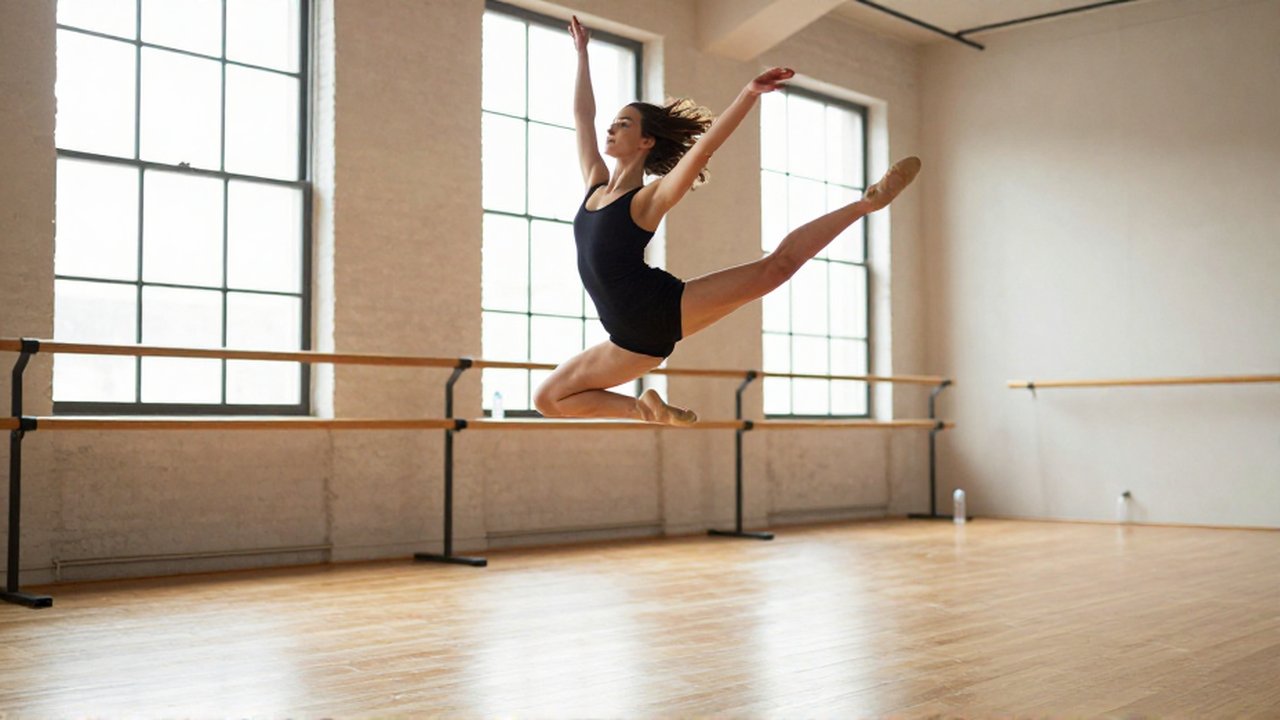
One of the most immediate benefits for young performers is the development of a highly functional and diverse physical toolkit. Contemporary dance emphasizes total body awareness, requiring students to master a wide range of movement qualities, from sharp, percussive hits to fluid, sweeping transitions. This versatility builds a unique type of physical intelligence that benefits all other dance disciplines.
Training in this style enhances several key physical attributes:
- Core Stability and Strength: The constant transitions between floor work and upright movement require exceptional abdominal and back strength.
- Flexibility and Range of Motion: Contemporary dance encourages movement through all planes of motion, promoting joint mobility and lengthening the muscles.
- Coordination and Balance: Performers must learn to manage their center of gravity while performing complex floor rolls, off-balance tilts, and sudden changes in direction.
- Proprioception: The emphasis on how the body moves through space improves a dancer’s ability to sense their position, which is vital for preventing injuries and executing precise choreography.
Cognitive and emotional development through movement
Beyond the physical gains, contemporary dance acts as a powerful medium for cognitive and emotional growth. Because the genre often lacks the strict “correctness” of traditional ballet, it encourages young performers to engage in critical thinking and problem-solving. Dancers must often interpret abstract concepts or musicality, requiring them to translate internal feelings into externalized physical actions.
This process fosters significant emotional intelligence. Young performers learn how to use their bodies to communicate complex narratives, which can serve as a constructive outlet for self-expression. This ability to channel emotions into disciplined movement helps in developing empathy and self-awareness. Furthermore, the improvisational components common in contemporary classes teach students how to think on their feet, enhancing their creativity and ability to react to unexpected situations in a performance setting.
Preparation for professional diversity and versatility
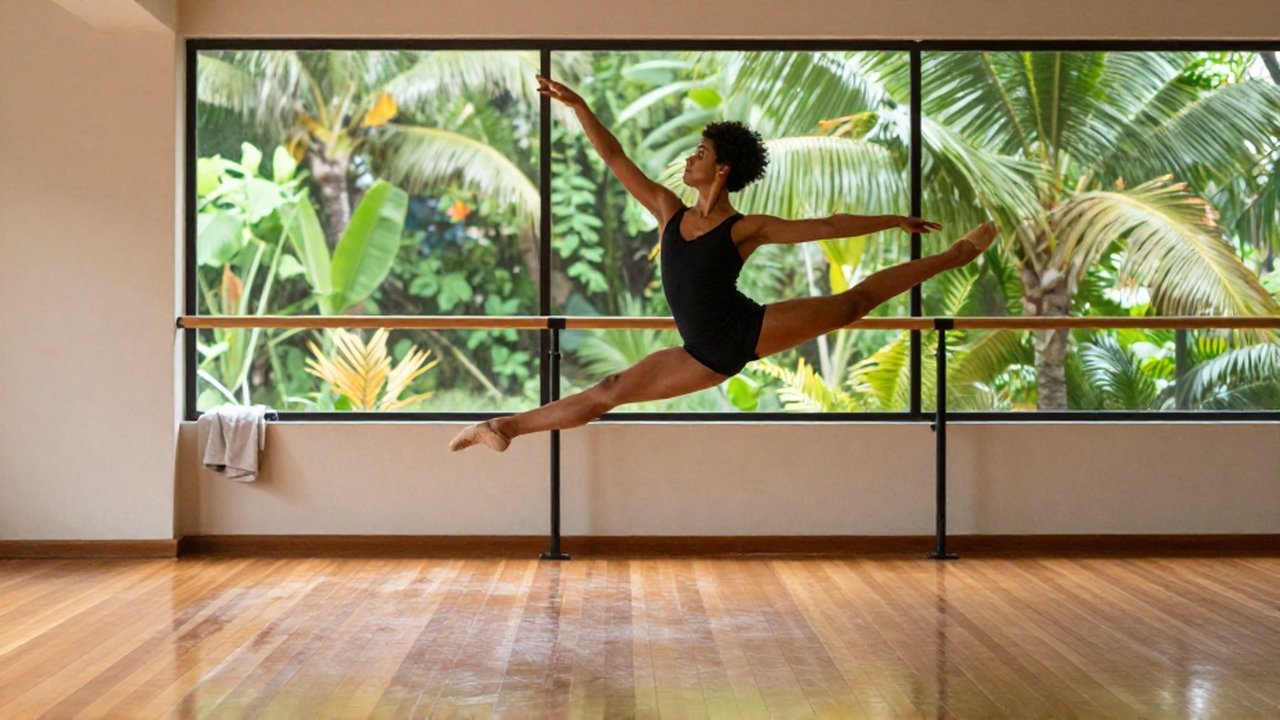
The modern dance industry rarely demands a specialist who can only perform one style. Instead, companies and choreographers seek “versatile movers” who can navigate various genres seamlessly. Contemporary dance training is the bridge that allows young performers to integrate classical discipline with modern fluidity.
| Skill Developed | Application in Professional Settings |
|---|---|
| Improvisation | Essential for creating original choreography and participating in experimental works. |
| Floor Work | Highly utilized in contemporary, jazz, and musical theater productions. |
| Musicality | The ability to dance against, with, or around a beat, useful in all artistic genres. |
| Adaptability | The capacity to learn diverse movement languages quickly during a rehearsal process. |
By mastering the principles of weight, release, and momentum, young performers develop a “physical vocabulary” that makes them more employable. They become capable of transitioning from a structured balletic role to a grounded, contemporary piece without losing technical integrity.
Common challenges and recommendations for young dancers
While the benefits are extensive, young performers should approach contemporary training with an understanding of certain risks and best practices. Because the style often involves repetitive floor work and unconventional movements, there is a higher demand on the joints and connective tissues.
To ensure a healthy and productive training journey, dancers should consider the following recommendations:
- Prioritize Technique over Aesthetics: It is easy to focus on how a movement looks in a mirror, but understanding the mechanics behind the movement is what prevents injury.
- Incorporate Cross-Training: Supplementing dance training with activities like Pilates or functional strength training can provide the necessary support for complex contemporary movements.
- Embrace Failure in Improvisation: Many young performers feel anxiety when asked to improvise. It is important to view these moments as experiments rather than tests of skill.
- Listen to the Body: Given the high impact of certain contemporary techniques, recognizing the difference between “working muscles” and “injury pain” is critical.
Frequently asked questions
Is contemporary dance harder than ballet? Neither style is inherently “harder,” but they present different challenges. Ballet focuses on verticality, precision, and strict adherence to form, whereas contemporary focuses on gravity, floor work, and expressive freedom. Both require high levels of discipline and strength.
At what age should children start contemporary dance? Children can begin exploring the foundational movements of contemporary dance as early as preschool age through creative movement classes. However, more technical and rigorous training is usually most effective once a student has developed basic motor skills and coordination.
Does contemporary dance help with other dance styles? Yes. The core strength, flexibility, and spatial awareness gained in contemporary dance are highly transferable to ballet, jazz, lyrical, and even hip-hop.
Can I perform professionally if I only study contemporary? While many contemporary dancers are trained in multiple styles, a strong contemporary foundation is a specialized skill set that is highly valued in many modern dance companies and experimental theater groups.


Post Comment