Chronology of major Dominican cultural movements

Introduction
The cultural identity of the Dominican Republic is a complex tapestry woven from Taíno heritage, Spanish colonial influence, and African traditions. Understanding the chronology of its major cultural movements is essential for anyone seeking to grasp how the nation transitioned from a colonial outpost to a modern state with a distinct artistic soul. These movements serve as milestones that reflect the social, political, and demographic shifts that have shaped the Caribbean’s most influential creative landscape.
By tracing these shifts, we can observe how music, literature, and visual arts evolved from mere survival and mimicry toward a profound expression of national sovereignty. This chronological overview provides a framework for students, historians, and art enthusiasts to understand the “why” behind the Dominican aesthetic, moving from the rigid structures of the colonial era to the vibrant, experimental, and globalized movements of the present day.
Colonial roots and religious influence

During the early centuries of the Spanish presence, Dominican cultural expression was almost exclusively tied to the Catholic Church and the colonial administration. This era, spanning from the late 15th century through much of the 18th century, established the primary foundations of Dominican social life. Art was largely functional and liturgical, designed to inspire religious devotion or reinforce the power of the Spanish Crown.
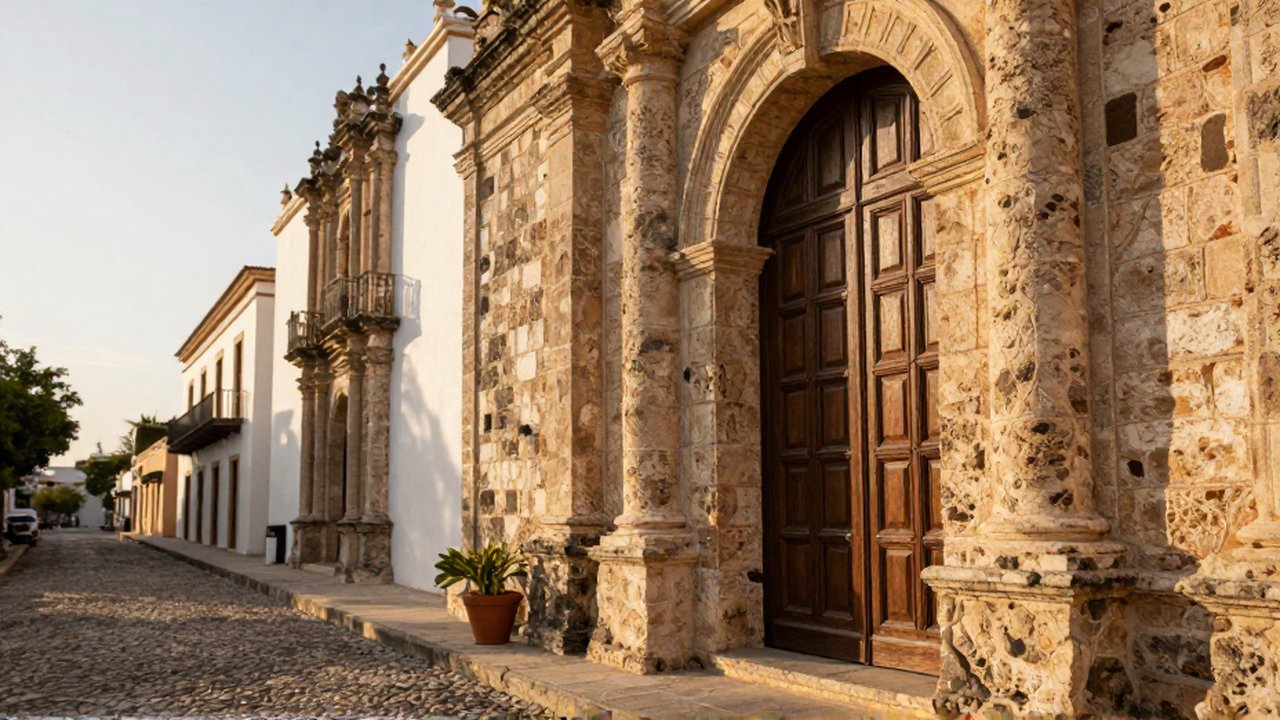
Visual arts during this period were dominated by religious iconography, baroque architecture, and colonial portraiture. The craftsmanship of the era was characterized by the arrival of European techniques, which were gradually adapted by local hands. This period also saw the early, often suppressed, influence of African rhythms and traditions which, despite being marginalized by the colonial hierarchy, began the slow process of melding with European structures to form the basis of Dominican folklore.
The emergence of national identity in the 19th century
The 19th century marked a critical turning point as the Dominican Republic sought to define itself as an independent nation. Following the struggle for independence from Haiti in 1844, cultural movements began to pivot toward romanticism and nationalism. This era was characterized by an effort to create a “national literature” and a sense of shared history that distanced the nation from its colonial past.
In literature, poets and writers began exploring themes of liberty, the landscape, and the unique character of the Dominican people. This was not merely an aesthetic shift but a political one; the creation of art became a tool for nation-building. The intellectual elite of this period worked to formalize the Spanish language with local nuances and to document the oral traditions of the countryside, ensuring that the burgeoning republic had a cultural bedrock to support its political sovereignty.
Modernism and the institutionalization of the arts
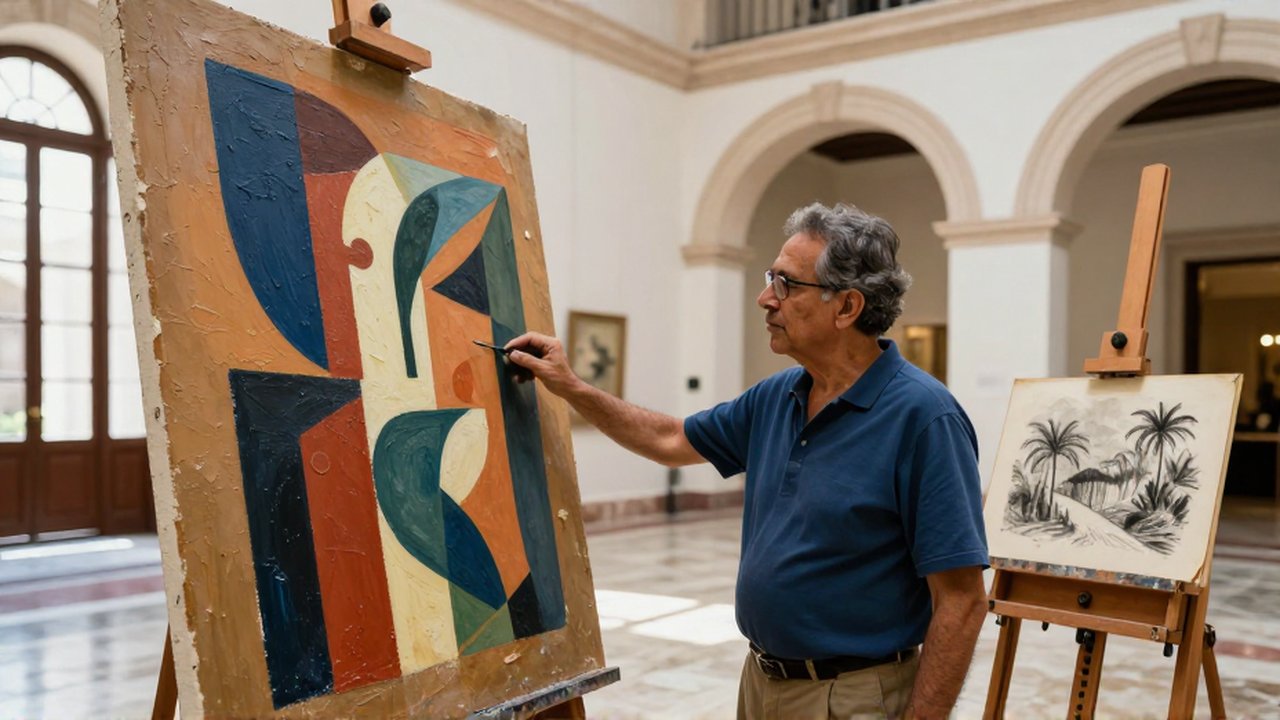
As the 20th century approached, the Dominican Republic experienced a wave of Modernism that reached its peak in the early to mid-1900s. This period saw a departure from strictly romanticized views of the nation toward more experimental and cosmopolitan styles. The influence of international art movements, such as Impressionism and Cubism, began to filter into the local scene, particularly in the visual arts.
This era was also defined by the professionalization of cultural institutions. The establishment of formal academies and the increased circulation of newspapers and literary journals allowed artists to connect with global trends while maintaining a local focus. It was during this time that the tension between traditionalism and modernity became a central theme in Dominican intellectual life, setting the stage for the more radical shifts that would follow in the later half of the century.
Post-dictatorship and contemporary expressions
The latter half of the 20th century was marked by a significant cultural explosion following the end of the Trujillo dictatorship. The period of political transition allowed for a sudden liberalization of artistic expression. The constraints of the previous decades vanished, leading to a surge in avant-garde movements, social realism, and a renewed interest in Afro-Dominican roots.
In the contemporary era, Dominican culture has become increasingly globalized through the sheer power of its rhythmic exports. The evolution of music—from traditional Merengue and Bachata to modern urban genres—has moved from the local community to the international stage. Today, Dominican cultural movements are characterized by a hybridity that embraces digital technology and global pop culture while remaining deeply anchored in the historical identity established over the centuries.
Frequently asked questions
What are the primary influences on Dominican culture? Dominican culture is primarily a synthesis of Taíno (indigenous), Spanish (European), and African influences. These three pillars interact to create the nation’s unique music, cuisine, and social customs.
How did the transition to independence affect the arts? Independence shifted the focus of the arts from serving religious and colonial interests to serving nationalistic interests. Artists began to use their work to define what it meant to be “Dominican” rather than merely being subjects of a crown.
Is Merengue considered a cultural movement? While Merengue is a musical genre, its rise and institutionalization can be viewed as a cultural movement because it played a massive role in defining national identity and social cohesion during the 20th century.
Why is the post-dictatorship era important for Dominican art? The end of the dictatorship allowed for a period of unprecedented creative freedom. This led to a diversification of styles and themes, as artists were finally able to explore social critique and experimental forms without fear of censorship.

Post Comment