Common rhythms used in Caribbean folk music
Introduction
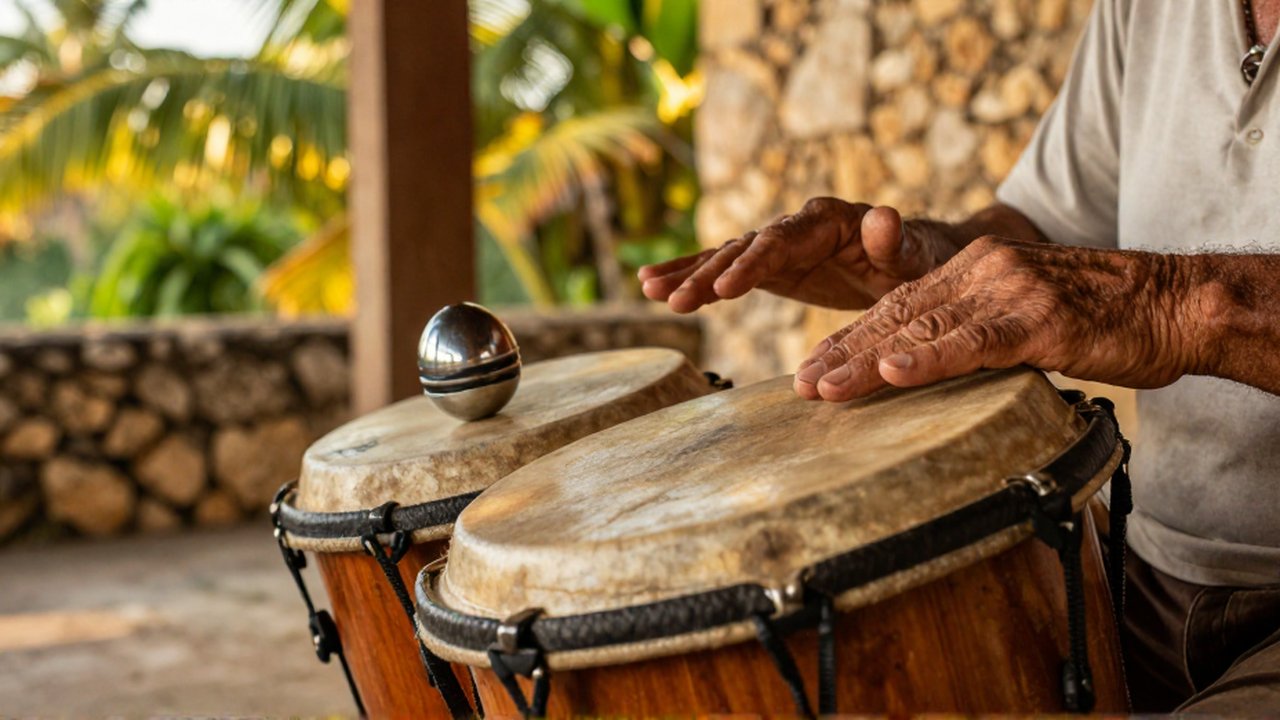
Caribbean folk music is defined by a complex tapestry of polyrhythms that reflect the region’s diverse ancestral roots. These rhythms serve as the heartbeat of social identity, blending African percussive structures with European melodic sensibilities and indigenous influences. Understanding these patterns is essential for appreciating how music functions not just as entertainment, but as a fundamental medium for storytelling, spiritual practice, and community cohesion across the islands.
These rhythmic patterns are utilized in various contexts, ranging from sacred religious ceremonies and traditional folk dances to modern festive celebrations. By studying these rhythms, one gains insight into the historical migrations and cultural syncretism that shaped the Caribbean. Whether in the Dominican Republic, Cuba, Jamaica, or Haiti, these sounds form a universal language of resistance, joy, and cultural endurance that continues to influence global music today.
Origins and influences of Caribbean rhythms
The foundation of Caribbean folk music lies in the intersection of three major cultural currents: African, European, and Indigenous. The heavy emphasis on percussion, syncopation, and call-and-response structures is a direct legacy of West African musical traditions brought to the islands during the era of the transatlantic slave trade. These rhythms were often used as a means of preserving cultural memory and communication.
European influence introduced harmonic structures and specific instrumentation, such as stringed instruments and brass, which eventually merged with African rhythmic foundations. Indigenous influences, while often less prominent in the percussive landscapes, contributed to the localized flavors of various islands. This fusion created a unique musical ecosystem where a single rhythm could carry deep spiritual significance while simultaneously serving as a rhythmic backbone for communal dancing.
Distinctive rhythms of the Dominican Republic

In the Dominican Republic, folk music is characterized by a profound connection to rhythmic subdivision and specific percussion instruments. The country hosts a variety of genres that demonstrate the technical sophistication of Caribbean folk traditions.
One of the most significant forms is Merengue, specifically its folk roots known as Merengue Típico. This rhythm is driven by the accordion, the güira (a metal scraper), and the tambora (a two-sided drum). The interaction between the tambora’s heavy beats and the güira’s constant, shimmering subdivision creates the infectious energy typical of Dominican music.
Another vital rhythm is Bachata, which originated in the rural areas as a folk style. While it has evolved significantly, its early rhythmic structures were deeply rooted in the guitar-driven melodies and specific percussion patterns used in social gatherings. Additionally, religious folk music, such as those found in Santería or Vodou traditions, utilizes complex drumming patterns designed to induce trance and facilitate spiritual connection, showcasing the ritualistic side of Caribbean percussion.
Key rhythmic patterns in Cuba and Puerto Rico
Cuba and Puerto Rico share many rhythmic similarities due to their shared history, yet they possess distinct identities. The concept of the Clave is central to both. The clave is a rhythmic pattern that acts as the “timeline” or the structural anchor for almost all Afro-Cuban and Caribbean music.
In Cuba, the Son rhythm is a cornerstone of folk and popular music. It combines Spanish guitar styles with African percussion, utilizing the clave to coordinate the various instruments. Furthermore, Rumba is a highly sophisticated folk tradition involving three main styles: Yambú, Guaguancó, and Columbia. Each style has a specific rhythmic character and social function, often performed with conga drums, claves, and singing.
Puerto Rico is well known for Bomba and Plena. Bomba is an ancestral Afro-Puerto Rican rhythm where the dancer and the drummer engage in a spontaneous dialogue; the drummer must react to the dancer’s movements in real time. Plena, often called the “sung newspaper,” uses a specific percussion style with panderos (hand drums) to tell stories of community life, blending rhythmic drive with lyrical storytelling.
Comparison of major Caribbean rhythmic styles

To better understand how these rhythms differ and overlap, the following table provides a brief overview of their primary characteristics.
| Rhythm/Genre | Primary Origin | Key Instruments | Core Function |
|---|---|---|---|
| Merengue Típico | Dominican Republic | Accordion, Tambora, Güira | Festive dance/Social |
| Son | Cuba | Tres, Clave, Bongos | Social dance/Storytelling |
| Bomba | Puerto Rico | Barriles (drums), Claves | Spiritual/Spontaneous dance |
| Rumba | Cuba | Congas, Claves, Maracas | Social/Ritualistic |
| Plena | Puerto Rico | Panderos, Maracas | Community news/Social |
Common elements across Caribbean folk music
Despite the geographical differences between islands, several common elements unify Caribbean folk rhythms. The most prominent is syncopation, which refers to the displacement of regular accents to create a sense of “swing” or “groove.” This prevents the music from feeling mechanical and encourages rhythmic movement.
Another commonality is the use of polyrhythm, where two or more conflicting rhythms are played simultaneously. This creates a dense, layered soundscape that is much more complex than standard Western pop music. Lastly, the call-and-response structure—where a lead singer or instrument issues a musical “question” and a group or ensemble provides an “answer”—is a ubiquitous feature that fosters community participation.
Frequently asked questions
What is the importance of the clave in Caribbean music? The clave is the fundamental rhythmic pattern that serves as the structural foundation for many genres. It acts as the “glue” that coordinates all other instruments, ensuring that the musicians stay in sync with the underlying pulse.
How do folk rhythms differ from modern Caribbean pop? While modern pop music (like Reggaeton or modern Salsa) uses Caribbean rhythms, folk music is typically more acoustic, relies on traditional instrumentation, and often carries specific ritualistic or historical meanings tied to local identities.
Can I learn these rhythms through percussion alone? While percussion is the primary driver of these rhythms, many Caribbean folk traditions are inseparable from dance and vocal melodies. Learning the rhythm often requires understanding how the drum interacts with the movement of the body or the structure of the lyrics.
Why are these rhythms considered “resilient”? These rhythms are considered resilient because they were preserved through oral tradition during periods of intense social and political hardship, serving as a way for enslaved populations to maintain their cultural heritage and human dignity.



Post Comment