How to preserve outdoor murals in tropical climates
Introduction
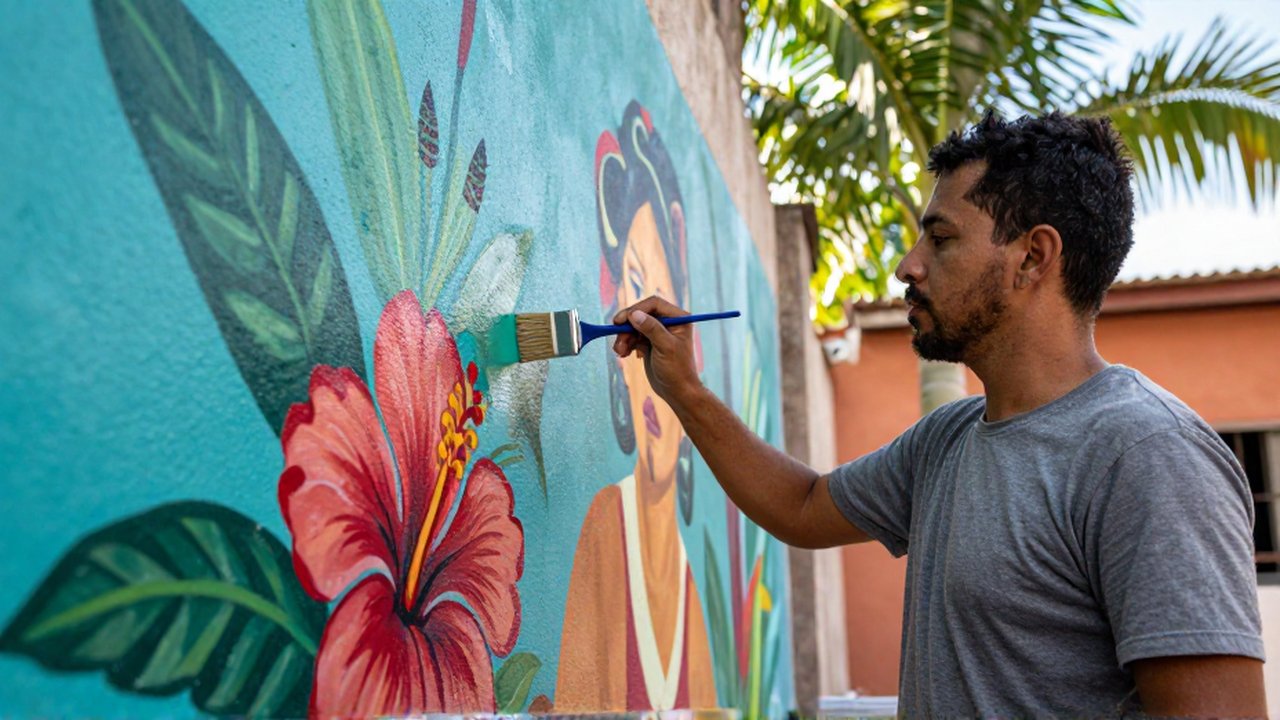
Outdoor muralism serves as a vital medium for cultural expression, transforming urban landscapes into vibrant galleries of storytelling. However, in tropical regions, these large-scale artworks face an unrelenting battle against the elements. The high humidity, intense ultraviolet (UV) radiation, and heavy seasonal rainfall create a harsh environment that can rapidly degrade pigments and compromise the structural integrity of the painted surface.
Preserving these works is essential not only for aesthetic reasons but also to protect the cultural heritage and historical narratives they represent. Understanding the specific challenges posed by tropical climates allows artists, conservators, and community leaders to implement proactive maintenance strategies. By applying the right technical interventions, the lifespan of a mural can be significantly extended, ensuring that its message remains visible for future generations.
Challenges of tropical environments for mural art
The primary enemies of outdoor murals in the tropics are heat, moisture, and biological growth. Tropical sun exposure involves high levels of UV radiation, which breaks down the chemical bonds in paint pigments, leading to a phenomenon known as fading or “chalking.” This process strips the colors of their vibrancy and can eventually leave the surface looking dull and washed out.
Simultaneously, the high humidity and frequent rainfall create a breeding ground for biological agents. Mold, mildew, algae, and lichen thrive in moist, shaded corners of a mural, feeding on the organic components of certain paints. These organisms do not just hide the art; they can actually penetrate the paint layer and the substrate, causing physical damage through root-like structures. Furthermore, rapid temperature fluctuations between intense sun and heavy rain can cause the wall material to expand and contract, leading to cracks and peeling.
Essential preparation and material selection
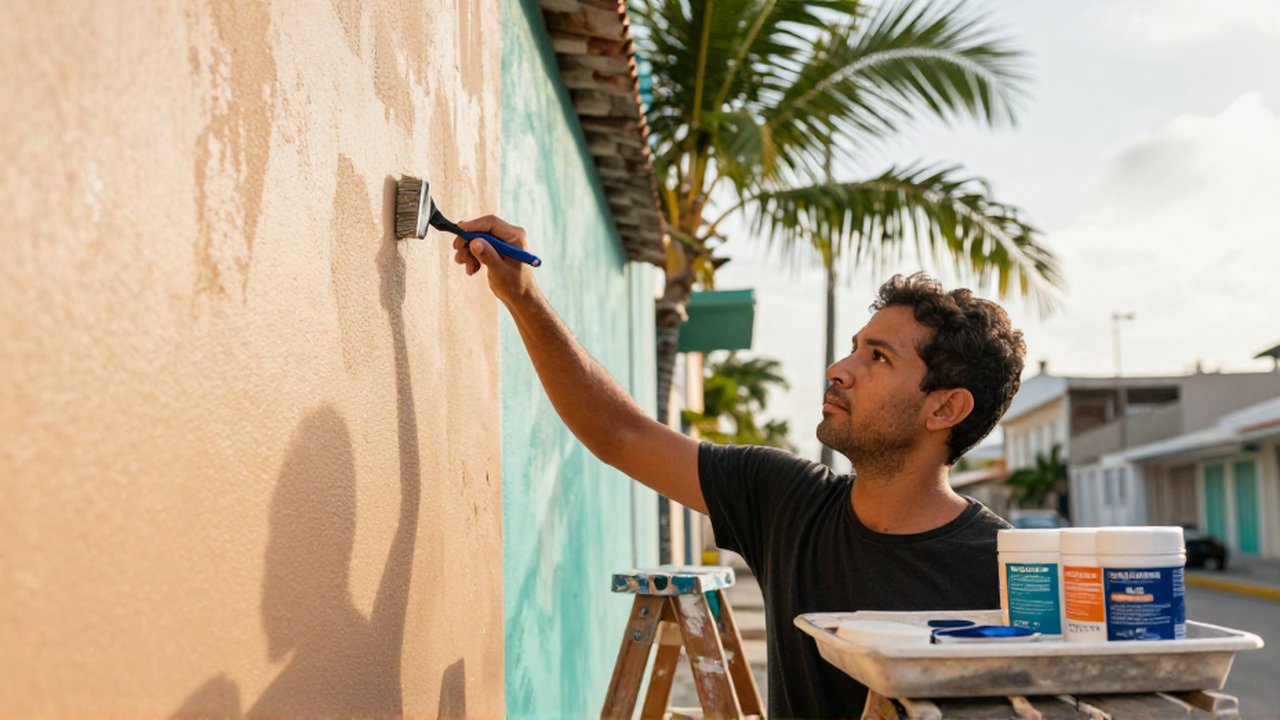
A successful preservation strategy begins long before the first brushstroke touches the wall. The choice of materials is the most critical factor in determining how well a mural will withstand a tropical climate. Artists must prioritize high-quality, lightfast pigments that are specifically rated for outdoor use. Using professional-grade acrylics or specialized masonry paints is generally more effective than using standard interior paints.
Substrate preparation is equally vital. The wall must be clean, dry, and structurally sound. Any existing cracks or moisture issues within the masonry must be addressed first, as painting over a damp or crumbling wall will lead to inevitable failure. Using a high-quality-primer that is designed to bond well with masonry and resist moisture can create a necessary barrier between the wall and the paint layers.
Protective coatings and sealants
Applying a protective topcoat is one of the most effective ways to guard a mural against tropical weather. A sealant acts as a sacrificial layer, absorbing the brunt of the UV radiation and water impact so the pigment layers underneath remain intact. There are two main types of sealants to consider:
- Matte sealants: These preserve the original texture and “look” of the painting without adding a shiny finish. They are often preferred for fine art murals.
- Gloss or Satin sealants: These provide a stronger physical barrier and are sometimes easier to clean, though they can change the visual appearance of the colors.
When selecting a sealant, it is crucial to ensure it is breathable. In tropical climates, moisture can often be trapped inside a wall. If a sealant is completely non-breathable, this trapped moisture can build up and cause the entire mural to bubble or flake off. A breathable, UV-resistant varnish is typically the best balance for long-term survival.
Maintenance and long-term care steps
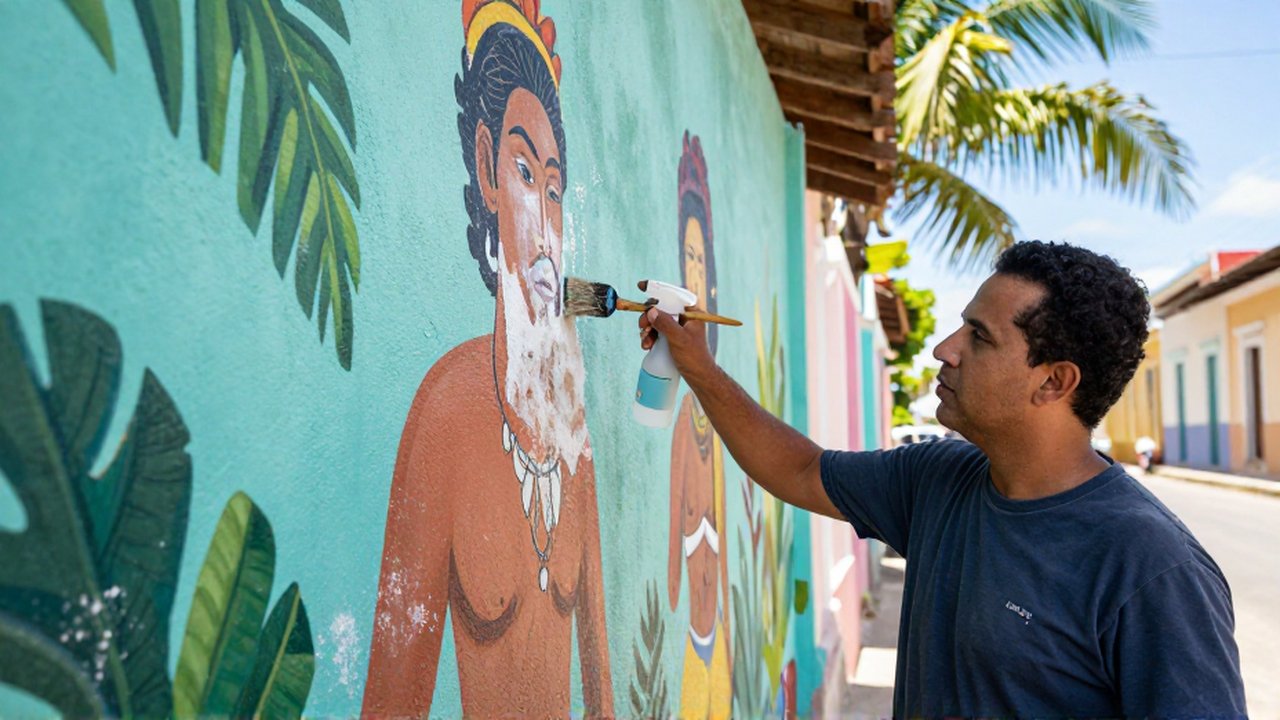
Preservation is an ongoing process rather than a one-time event. Regular inspections are necessary to catch small issues before they become catastrophic failures. A simple visual check every few months can identify early signs of mold growth, pigment fading, or minor cracking.
If biological growth occurs, it should be addressed immediately using gentle, non-abrasive cleaning methods. Avoid using harsh chemicals or high-pressure water sprays, as these can strip the paint or force water deeper into the substrate. Soft brushes and diluted, pH-neutral cleaning solutions are generally the safest approach. For larger scale restoration, such as repairing cracks or replacing faded sections, consulting a professional conservator is highly recommended to ensure the historical integrity of the work is maintained.
Common mistakes in mural preservation
One of the most frequent errors is neglecting the “breathability” of the wall. Applying heavy, waterproof coatings that prevent moisture evaporation is a recipe for structural damage. Another common mistake is using low-quality, inexpensive paints to save money; while the initial cost is lower, the replacement cost due to rapid fading is significantly higher in the long run.
Additionally, many people attempt to “fix” a mural by simply painting over faded areas without addressing the underlying cause. If a mural is fading due to UV damage or peeling due to moisture, adding a new layer of paint without a proper sealant or substrate repair will only result in the new layer failing just as quickly as the old one.
Frequently asked questions
How often should a mural be inspected? It is recommended to conduct a visual inspection at least twice a year, perhaps at the start and end of the rainy season, to check for mold or structural cracks.
Can I use any clear spray to protect my mural? No. You should specifically use UV-resistant, breathable sealants designed for outdoor masonry. Standard hardware store sprays may yellow over time or trap moisture.
What should I do if I see mold growing on the mural? Clean the area gently with a soft brush and a mild, pH-neutral soap solution. Avoid scrubbing too hard or using bleach, as these can damage the pigment.
Does the color of the mural affect its durability? Yes. Darker, highly saturated colors often absorb more heat, which can accelerate the degradation of the paint binder due to thermal expansion and UV exposure.

Post Comment