How did Afro-Dominican rhythms influence traditional music
Introduction
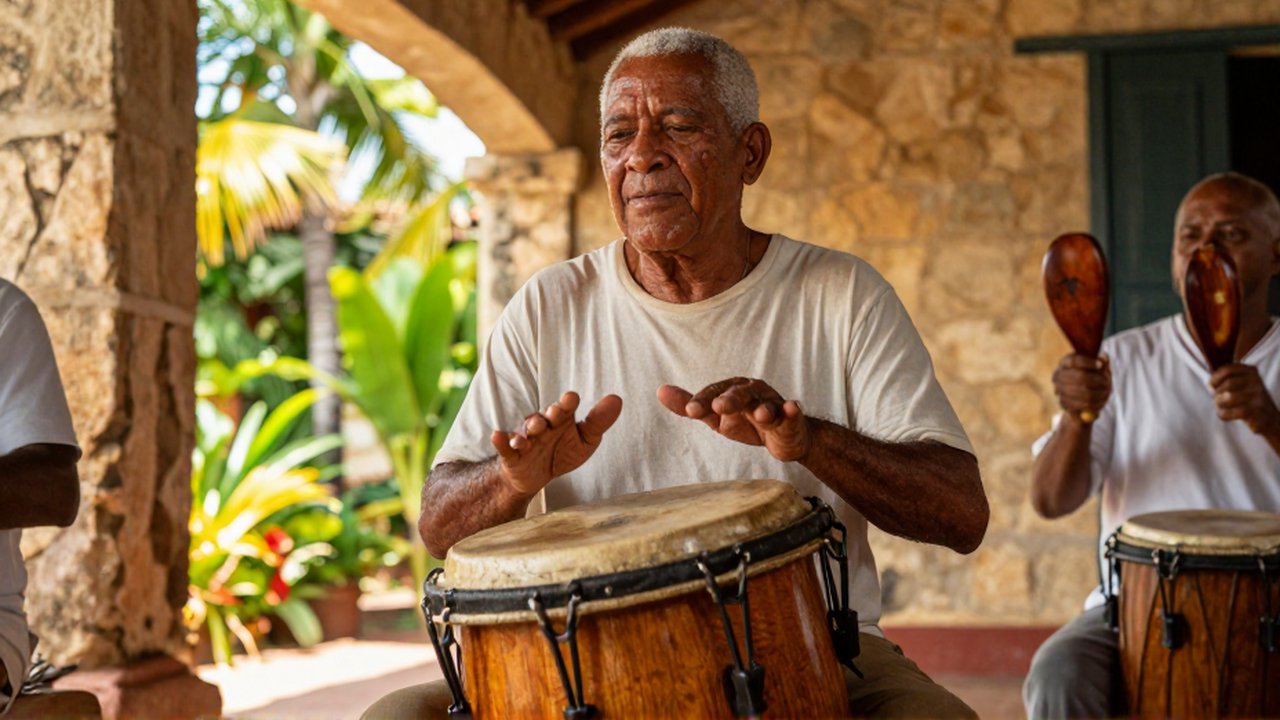
The musical identity of the Dominican Republic is a complex tapestry woven from diverse cultural threads, but the African influence stands as one of its most profound pillars. Afro-Dominican rhythms are not merely decorative elements; they are the structural foundation of the nation’s sonic heritage. Understanding these rhythms is essential for anyone seeking to grasp the soul of Caribbean music, as they dictate the syncopation, percussion patterns, and communal spirit that define the island’s traditional sounds.
These rhythmic patterns emerged from the historical forced migration of enslaved West Africans, who brought with them sophisticated musical traditions, complex polyrhythms, and a deep spiritual connection to percussion. Over centuries, these elements merged with Spanish melodic structures and indigenous influences to create something entirely unique. This marriage of cultures transformed the landscape of Dominican music, moving it from purely ceremonial or ritualistic origins into the mainstream genres that define the country today.
Exploring this influence allows us to see how music acts as a vessel for history and resistance. The rhythms served as a means of communication, cultural preservation, and social cohesion. By analyzing how these patterns integrated into various musical forms, we can better appreciate the depth and resilience of the Dominican cultural identity.
The core elements of Afro-Dominican percussion
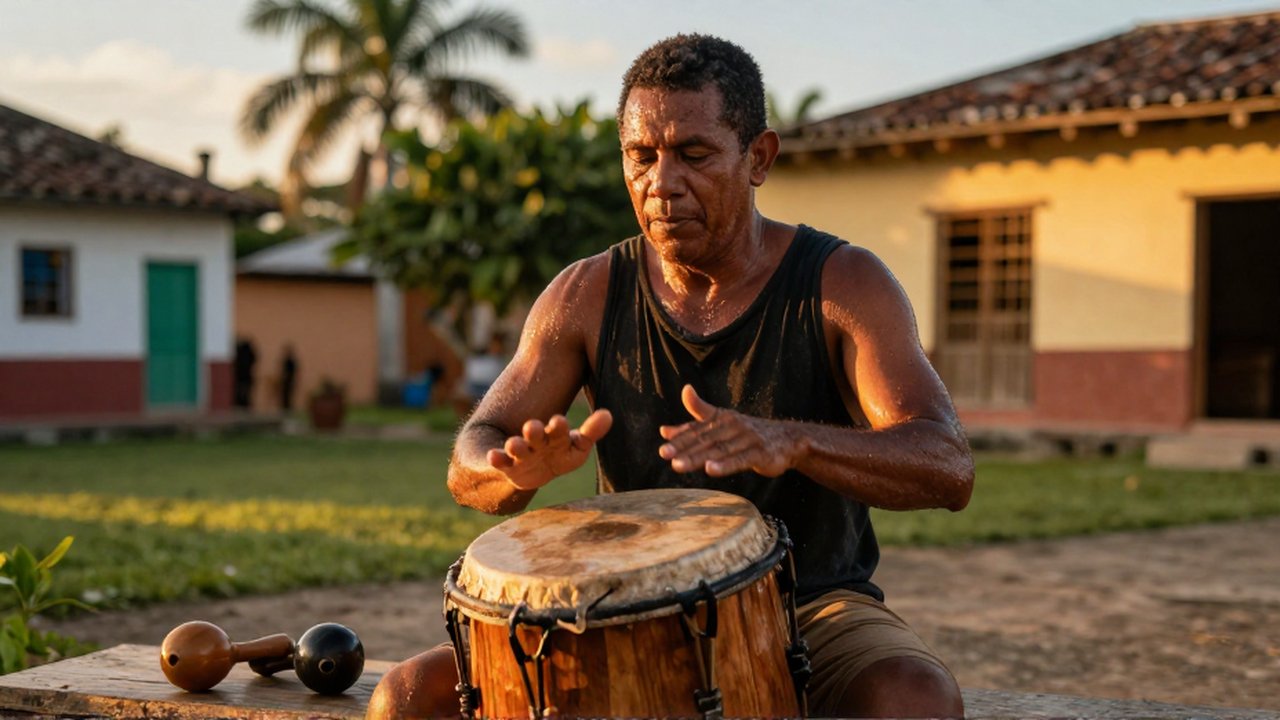
The primary way Afro-Dominican rhythms influenced traditional music is through the introduction of complex, layered percussion. Unlike European musical traditions that often rely on a steady, linear beat, Afro-Dominican music is characterized by polyrhythm—the simultaneous use of two or more conflicting rhythms. This creates a sense of “swing” or “groove” that is central to the Dominican experience.
Key instruments that brought this influence include:
- The Atabales: These are long, cylindrical drums used primarily in religious and ceremonial contexts. They provide a deep, resonant bass that anchors the rhythm.
- The Güira: While its exact origins are a subject of study, its integration into Afro-influenced styles is vital. This metal scraper provides the high-frequency, driving texture that keeps the tempo.
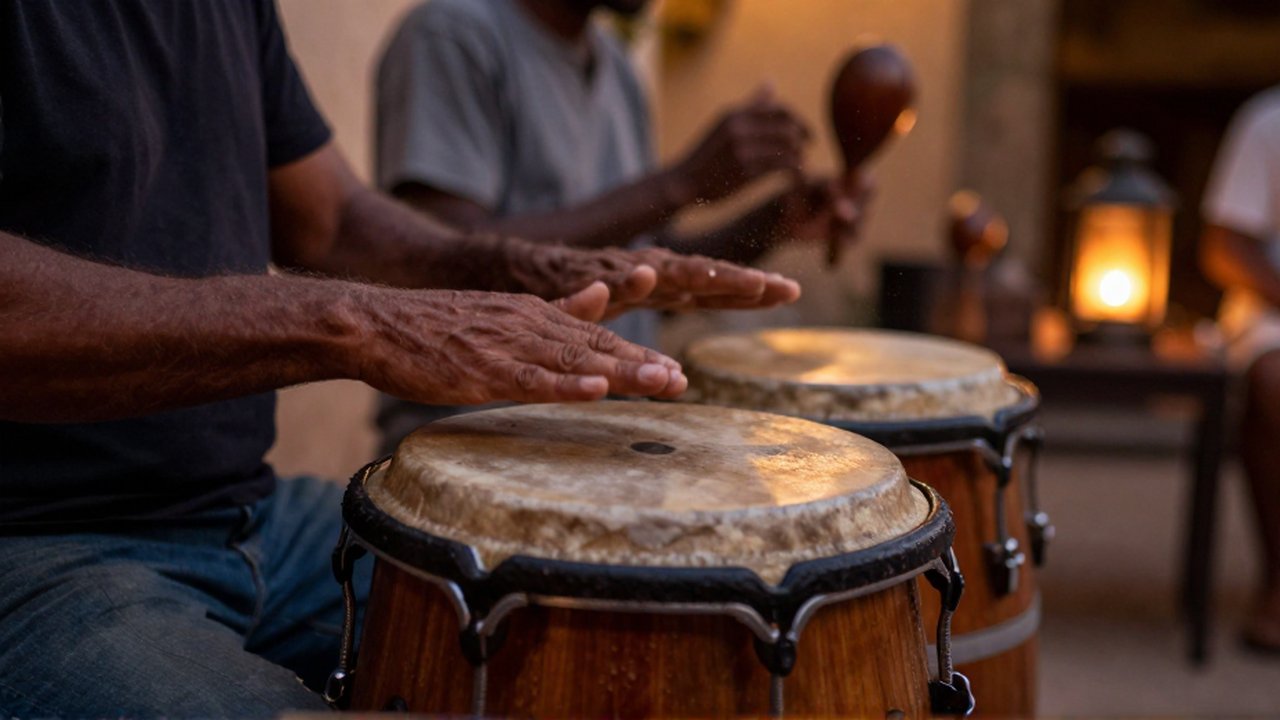
- Congas and Bongos: These percussion instruments are fundamental to the syncopated patterns that define many popular Dominican genres.
The influence of these tools goes beyond sound; they dictate the way musicians interact. In traditional Afro-Dominican settings, the drummer is often the leader, signaling changes in tempo or intensity, which contrasts with the melodic-led structures of classical European music.
Evolution of specific musical genres
The impact of African rhythms is most visible when examining the evolution of specific genres that have become synonymous with the Dominican Republic. These styles demonstrate how rhythmic patterns migrated from sacred spaces to secular celebrations.
Merengue is perhaps the most recognizable example. While it incorporates European melodic sensibilities, the rhythmic heartbeat of merengue is deeply rooted in African syncopation. The interplay between the tambora (a two-headed drum) and the güira creates a driving, upbeat pulse that is unmistakably Afro-influenced. The tambora, in particular, uses specific striking techniques to produce different tones, a practice directly inherited from West African drumming traditions.
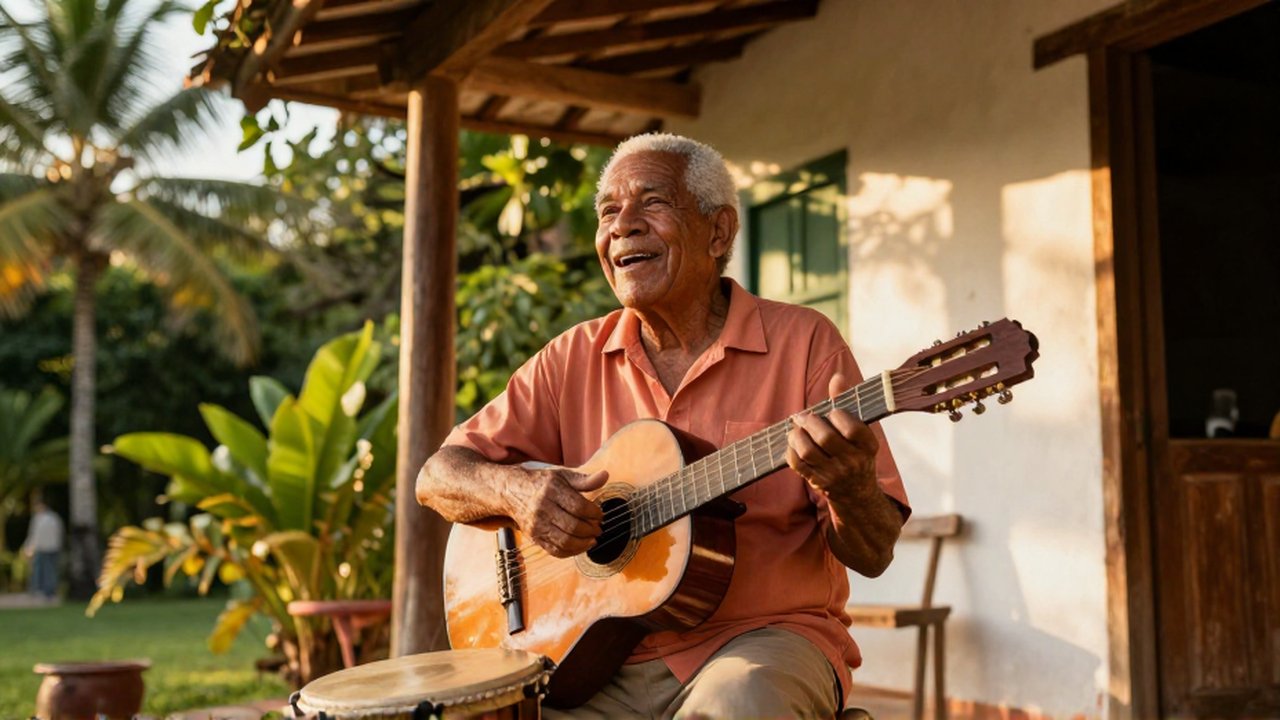
Bachata underwent a massive transformation through these influences. Although much of its melodic structure is influenced by the Spanish guitar, the rhythmic foundation—especially in its more traditional “amargue” forms—relies on a specific percussive cadence that gives the music its characteristic emotional sway.
Palos (also known as Atabales) represents the most direct link to African heritage. This is a ritualistic genre used in religious ceremonies to communicate with the divine. The rhythms here are not just for entertainment; they are liturgical, using specific patterns to induce trance-like states or to honor specific deities.
Comparison of rhythmic foundations
To understand the shift in musical structure, it is helpful to compare the traditional European foundations with the Afro-Dominican additions:
| Feature | European Influence | Afro-Dominican Influence |
|---|---|---|
| Primary Focus | Melody and Harmony | Rhythm and Percussion |
| Beat Structure | Linear and predictable | Syncopated and polyrhythmic |
| Musical Role | Often driven by strings/piano | Driven by drums and scrapers |
| Social Function | Formal composition/dance | Communal participation/ritual |
Cultural significance and preservation
The influence of Afro-Dominican rhythms is also a matter of social identity. For much of history, these rhythms were marginalized by colonial authorities who viewed them as subversive or “primitive.” However, the persistence of these sounds allowed Afro-Dominican communities to maintain a sense of continuity and dignity.
Today, the preservation of these rhythms is a priority for cultural historians and musicians alike. The influence is not static; it continues to evolve. Modern Dominican music, including contemporary urban genres, often samples or adapts these traditional rhythmic patterns, ensuring that the “ancestral heartbeat” remains present in the digital age.
Recognizing these rhythms is not just a musical exercise but an act of acknowledging the historical resilience of the people who shaped the Dominican soundscape.
Frequently asked questions
What is the main difference between African and European musical structures in the DR? European structures tend to emphasize melody and harmonic progression, whereas Afro-Dominican structures emphasize complex, layered rhythms and percussive textures that drive the music.
Is Merengue entirely an African genre? No, Merengue is a hybrid genre. It combines European melodic influences (such as the accordion or brass instruments) with the syncopated, percussive rhythms of African origin.
Why are drums so important in Dominican culture? Drums serve as the rhythmic backbone of almost all traditional music. Beyond music, they have historically been used in religious ceremonies, social gatherings, and as a means of community communication.
Can I hear Afro-Dominican rhythms in modern pop music? Yes. Many contemporary Dominican artists incorporate traditional percussion patterns, such as those found in Merengue or Bachata, into modern arrangements to maintain a connection to their cultural roots.



Post Comment