Benefits of practicing Salsa dance for social fitness
Introduction
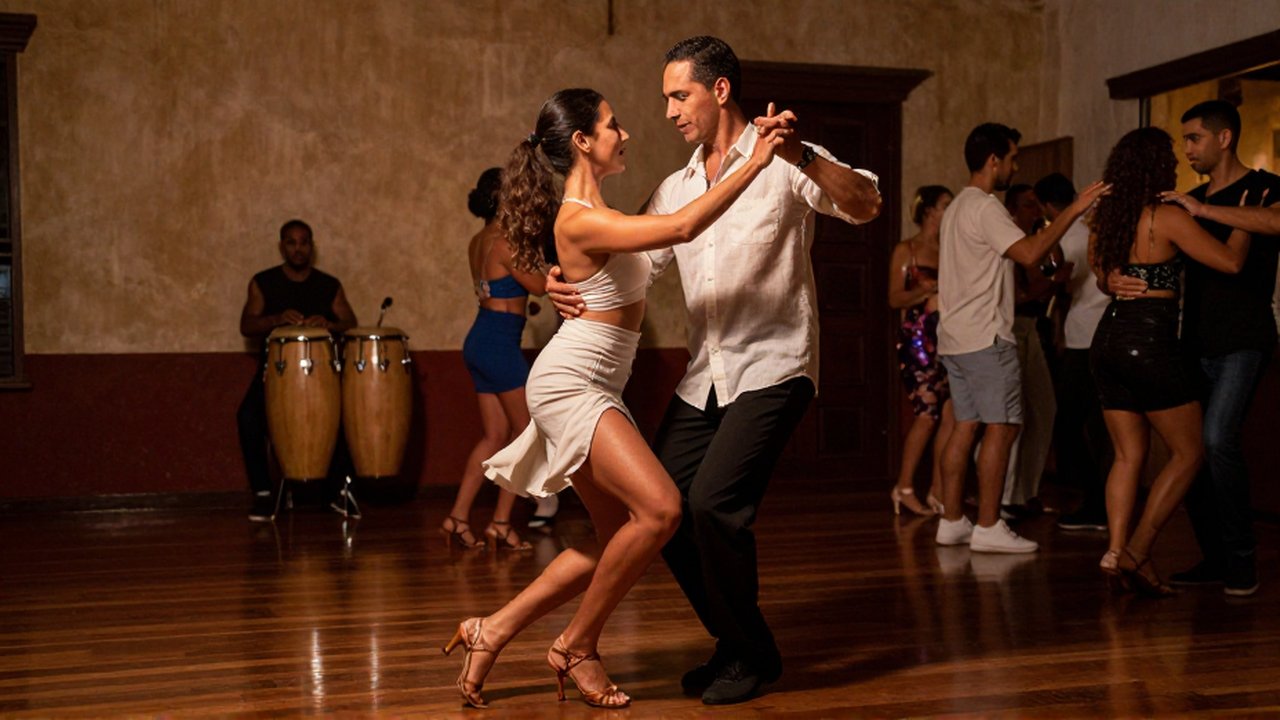
Salsa dance is a vibrant, rhythmic art form that combines complex footwork with intricate partner work. Beyond its status as a global cultural phenomenon, it serves as a powerful tool for social fitness, offering a unique way to integrate physical exercise with meaningful human connection. By participating in salsa classes or social dance events, individuals engage in a holistic activity that addresses cardiovascular health, cognitive function, and emotional well-being.
This practice is particularly appropriate for those seeking an alternative to the solitary nature of traditional gym workouts. It provides a structured yet joyful environment where movement becomes a medium for communication. Engaging in salsa allows practitioners to build confidence, improve coordination, and expand their social circles, making it a sustainable lifestyle choice for long-term health and community integration.
Physical health and cardiovascular endurance
One of the most immediate advantages of salsa is the significant physical exertion required to maintain the rhythm and execute complex patterns. Salsa is an aerobic activity that elevates the heart rate, promoting cardiovascular efficiency and improving stamina over time. Because the dance involves constant movement of the hips, legs, and arms, it serves as a full-body workout that enhances muscular endurance and flexibility.
The rhythmic nature of the music requires quick footwork and sudden changes in direction, which helps improve balance and core stability. Regular practice can lead to better posture and increased agility, as dancers must maintain a controlled center to execute turns and transitions smoothly. Unlike repetitive machine-based exercises, salsa offers a dynamic form of movement that keeps the body engaged in various planes of motion.
Cognitive benefits and mental sharpness

Dancing is a complex mental task that requires the brain to process multiple streams of information simultaneously. In salsa, a dancer must listen to the clave or the brass section to stay on beat, coordinate their own movements, and respond to the physical cues of a partner. This multitasking requires intense concentration and spatial awareness, which helps sharpen the mind.
The process of learning intricate patterns and sequences stimulates neuroplasticity. Memorizing choreography and adapting to different dance partners forces the brain to create new neural pathways, which can be highly beneficial for long-term cognitive health. This mental engagement prevents the “autopilot” mode often found in traditional exercise, ensuring that both the body and the mind remain active and alert.
Social connection and emotional well-being
The “social” aspect of social fitness is perhaps the most defining characteristic of salsa. Unlike many other forms of exercise, salsa is inherently communal. It requires interaction, teamwork, and a high degree of non-verbal communication between partners. This constant social engagement helps reduce feelings of isolation and fosters a sense of belonging within a dance community.
The emotional benefits are equally substantial. The combination of rhythmic music and physical movement triggers the release of endorphins, which are natural mood lifters. Furthermore, the social environment provides a safe space to practice interpersonal skills, such as reading body language and building trust. For many, the salsa community becomes a vital support system that enhances overall psychological resilience.
Comparison of salsa versus traditional fitness methods

| Feature | Salsa Dancing | Traditional Gym Exercise |
|---|---|---|
| Social Interaction | High; constant partner switching | Low; usually solitary |
| Mental Engagement | High; requires rhythm and pattern memory | Variable; often repetitive |
| Primary Focus | Coordination and cardiovascular health | Muscle hypertrophy or specific strength |
| Motivation Factor | Artistic expression and community | Goal-oriented metrics (weight, reps) |
Tips for starting your salsa journey
To maximize the benefits of salsa for social fitness, it is helpful to approach the practice with a balanced mindset. Beginners should focus on the following recommendations to ensure a positive experience:
- Consistency over intensity: Attending weekly classes is more effective for building muscle memory and social bonds than occasional high-intensity sessions.
- Prioritize foundation: Focus on mastering basic steps and timing before attempting complex turns or “shines.” A strong foundation makes social dancing much more enjoyable and less frustrating.
- Embrace mistakes: In a social setting, errors are part of the learning process. Maintaining a positive attitude helps reduce anxiety and encourages more fluid social interactions.
- Selection of footwear: Wear shoes that allow for easy pivoting on the floor to protect your joints and prevent slipping.
Frequently asked questions
Do I need a partner to start learning salsa? No, most dance studios and social clubs offer beginner classes specifically designed for individuals to join alone. These classes often involve rotating partners, which is an excellent way to meet new people and learn different dancing styles.
Is salsa difficult for beginners with no dance experience? While salsa has a learning curve due to its rhythmic complexity, the basic steps are accessible to almost everyone. Focusing on the fundamental rhythm first allows beginners to build confidence before moving to advanced techniques.
How does salsa contribute to social wellness? Salsa facilitates regular, structured social interaction. The necessity of communicating with partners and participating in a community setting helps build social skills, empathy, and a sense of connection to others.



Post Comment