What is the history of metalwork in the Dominican Republic

Introduction
Metalwork in the Dominican Republic is a profound expression of the nation’s cultural identity, reflecting a complex fusion of indigenous, European, and African influences. This craft encompasses everything from delicate jewelry and religious artifacts to functional tools and large-scale decorative sculptures. Understanding its history is essential for appreciating how the Dominican people have transformed raw materials into symbols of heritage, resilience, and artistic innovation over several centuries.
The evolution of this craft serves as a timeline of the island’s social history. It tracks the transition from pre-Columbian traditions to the colonial era of blacksmithing and eventually to the contemporary era of high-art metal sculpture. By studying these developments, one gains insight into the technological shifts and the changing socioeconomic roles of artisans within Dominican society.
Pre-Columbian roots and indigenous foundations

Before the arrival of Europeans, the indigenous Taíno people inhabited the island of Hispaniola. While their material culture was predominantly characterized by the use of stone, clay, and wood, they did possess a sophisticated understanding of mineral resources. Their relationship with the earth provided the foundational knowledge of local minerals that would later inform colonial mining and smithing.
Archaeological evidence suggests that while the Taíno were not large-scale metal smelters in the way later civilizations were, they utilized organic materials and stone tools with extreme precision. The introduction of metal by European settlers fundamentally altered the landscape of Dominican craftsmanship, providing new mediums that the indigenous knowledge of local materials would eventually intersect with through cultural blending.
Colonial influence and the rise of blacksmithing
The arrival of the Spanish in the late 15th century marked a radical turning point for metalwork on the island. The Spanish brought advanced metallurgical techniques, including smelting, forging, and casting. This era saw the establishment of the blacksmith as a cornerstone of colonial society. Blacksmiths were essential for the survival of settlements, as they produced the tools necessary for agriculture, construction, and defense.
During this period, metalwork was primarily utilitarian. The following items were common products of colonial smiths:
- Agricultural implements: Hoes, machetes, and plows used to cultivate the land.
- Structural hardware: Nails, hinges, locks, and window grilles for colonial architecture.
- Domestic tools: Cooking vessels, knives, and basic cutlery.
- Religious items: Wrought iron crosses and decorative elements for Catholic churches.
The craftsmanship of this time was heavily influenced by European styles, particularly Spanish Baroque aesthetics, which began to seep into the decorative metalwork found in religious and aristocratic settings.
African contributions and the blending of styles
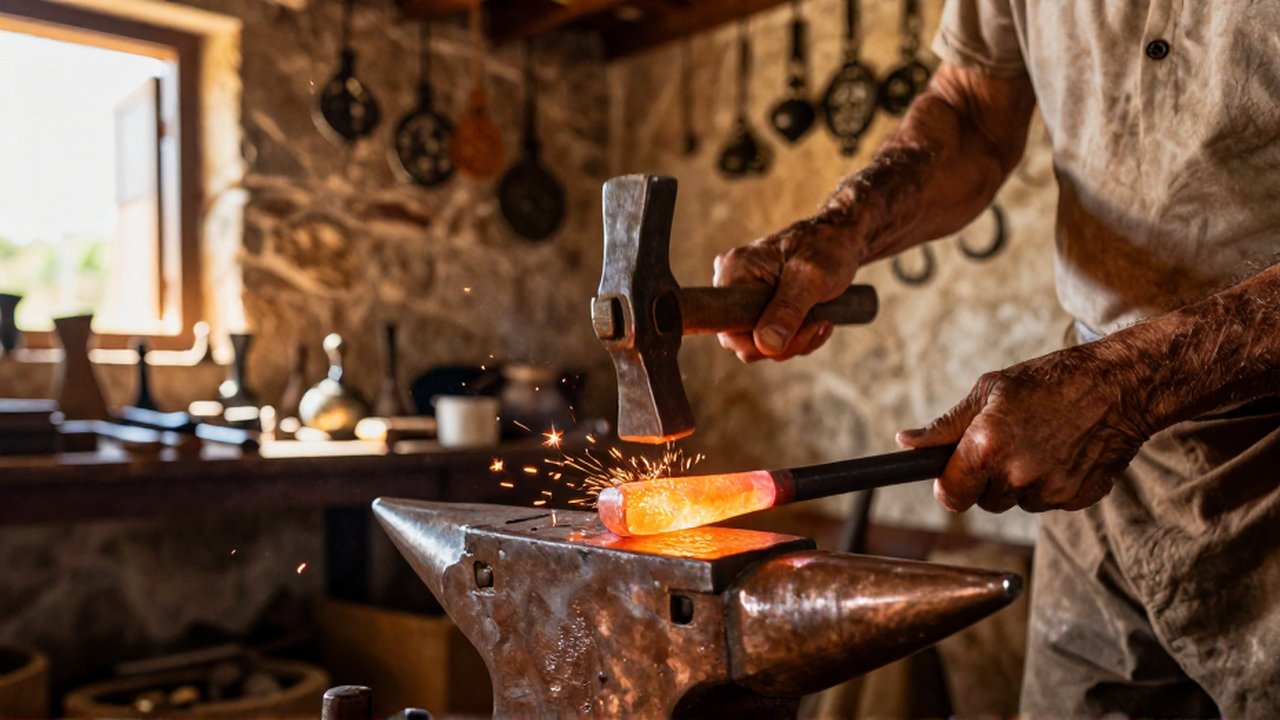
As the colonial economy expanded, the forced migration of enslaved Africans brought a wealth of technical knowledge and aesthetic sensibilities to the Dominican Republic. African metalworking traditions, which often included intricate gold and silver working as well as sophisticated iron casting, merged with Spanish techniques.
This cultural synthesis created a unique Dominican identity in metalwork. The African influence is often seen in the rhythmic and organic patterns found in decorative metal objects. This period established a dual track in the craft: a highly functional, rugged ironworking tradition used by common workers, and a more ornate, decorative tradition used for jewelry and religious ornamentation.
Modern evolution and contemporary metal art
In the 20th and 21st centuries, Dominican metalwork transitioned from a purely functional craft to a recognized form of fine art. The industrial revolution and the availability of new alloys allowed artists to move beyond the limitations of traditional blacksmithing.
Modern Dominican metal artists often work with diverse materials, including: 1. Wrought iron: Used for sophisticated architectural gates and large-scale garden sculptures. 2. Repurposed scrap metal: A growing trend where artists create complex figures from found industrial materials, reflecting themes of recycling and sustainability. 3. Precious metals: High-end jewelry designers continue to refine the use of gold and silver, blending traditional Caribbean motifs with modern minimalist designs. 4. Copper and Bronze: Favored for outdoor sculptures due to their durability and the unique patina they develop over time.
Frequently asked questions
What are the most common metals used in traditional Dominican crafts? Historically, iron was the most prominent metal due to its utility in tools and hardware. In contemporary decorative arts and jewelry, gold, silver, copper, and brass are more frequently utilized.
How does metalwork reflect Dominican history? Metalwork serves as a physical record of the island’s evolution, showing the transition from indigenous resource use to Spanish colonial utility, the infusion of African techniques, and finally, the rise of modern artistic expression.
Is metalwork still a vital part of the Dominican economy? While large-scale industrial metalworking is handled by modern factories, artisanal metalwork remains a significant part of the cultural economy, particularly in the sectors of tourism, bespoke jewelry, and fine art galleries.

Post Comment