Evolutionary history of Bachata song lyrics and themes

Introduction
The lyrical evolution of Bachata offers a profound window into the social and cultural shifts of the Dominican Republic. Originally dismissed by the upper classes and relegated to the margins of society, Bachata’s themes have transitioned from raw, visceral expressions of heartache to sophisticated narratives of romanticism and modern lifestyle. Understanding this evolution is essential for grasping how music serves as a mirror to a nation’s changing socioeconomic landscape and emotional identity.
Tracing these changes allows listeners to see how the genre moved from the prohibited dance halls of the mid-20th century to global stages. By examining the shift in storytelling, one can identify the transformation of the Dominican voice—moving from a collective struggle of the rural and urban poor toward a polished, commercial, and diverse musical language that resonates across borders.
Origins of amargue and rural themes
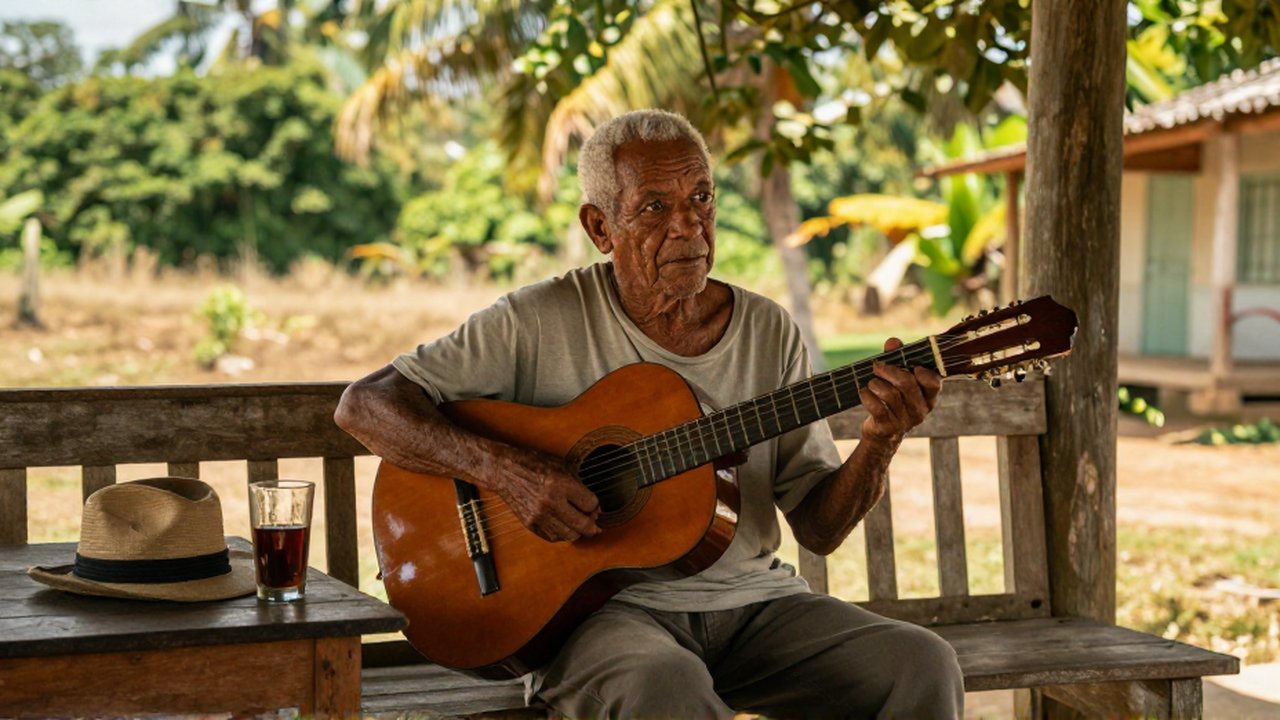
In its earliest stages, Bachata was fundamentally defined by a concept known as amargue, which translates roughly to “bitterness.” This wasn’t just a musical style; it was a thematic pillar. The lyrics of the mid-20th century were deeply rooted in the lived experiences of the working class and rural migrants moving to urban centers.
The themes during this period were unvarnished and often somber. Songwriters frequently focused on:
- Unrequited love and betrayal: The core of the genre, dealing with the pain of being discarded by a lover.
- Social marginalization: Expressions of the hardship faced by those living in poverty or on the fringes of “polite” society.
- Alcohol and escapism: Lyrics often referenced the tavern or the bar as the only sanctuary for the brokenhearted.
- Rural nostalgia: Mentions of the countryside, simple life, and the longing for a home left behind.
These songs functioned as a cathartic release for a demographic that was often silenced in other forms of Dominican mainstream media.
Transition to romanticism and urban polish
As Bachata gained social acceptance in the late 20th century, the lyrical landscape underwent a significant transformation. The “bitterness” did not disappear, but it was refined. The introduction of more sophisticated arrangements and a wider audience required a shift in how heartbreak was presented.
The themes moved away from the raw, almost aggressive depictions of suffering toward more melodic, poetic, and universal expressions of romance. This era saw the rise of the “Bachata de amor,” where the focus shifted from the despair of the tavern to the complexities of courtship, passion, and sentimental devotion. The language became more metaphorical, and the production values allowed for a softer, more romanticized version of emotional struggle. This transition was crucial for the genre’s entry into middle-class homes and international markets.
Modern influences and globalized themes
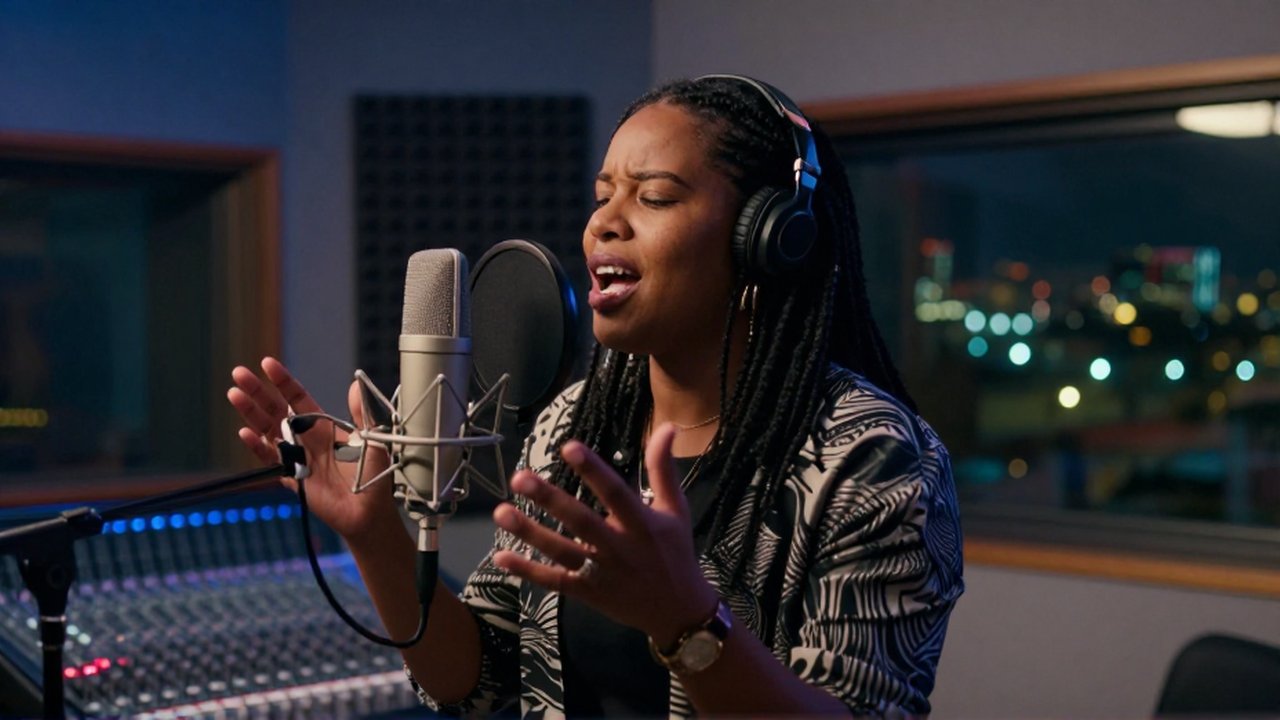
In the contemporary era, Bachata has integrated influences from pop, R&B, and urban genres, leading to a diversification of its lyrical content. While the traditional romantic core remains, the scope of what a Bachata song can communicate has expanded significantly.
The modern era is characterized by several distinct lyrical trends:
| Theme Category | Description |
|---|---|
| Sensualism | Lyrics that focus on physical attraction, flirtation, and the chemistry between partners. |
| Lifestyle and Success | Narratives that reflect upward mobility, celebration, and the enjoyment of modern life. |
| Pop Fusion | Themes that mirror global pop trends, often using simplified, catchy, and relatable language. |
| Complex Storytelling | More nuanced explorations of relationship dynamics, including toxic patterns and emotional resilience. |
This globalization means that modern Bachata lyrics are often designed to be understood and enjoyed by non-Spanish speakers through rhythm and universal emotional cues, even when the specific cultural nuances are lost.
Common misconceptions about Bachata lyrics
A frequent mistake among casual listeners is assuming that all Bachata is inherently “sad” or “depressing.” While the historical roots are in amargue, the modern genre is incredibly diverse. Many contemporary tracks are upbeat, celebratory, and focused on joy rather than sorrow.
Another misconception is that the lyrics have lost their cultural depth due to commercialization. While the themes have become more accessible, many artists continue to utilize Bachata as a vehicle for storytelling that honors Dominican heritage, even if the production style sounds contemporary. The evolution is not a loss of identity, but rather an expansion of the genre’s ability to communicate different facets of the human experience.
Frequently asked questions
What does the term amargue mean in the context of Bachata? It refers to the “bitterness” or profound sorrow expressed in traditional Bachata lyrics, specifically focusing on themes of heartbreak, betrayal, and social struggle.
Has Bachata always been a popular genre in the Dominican Republic? No. For many years, Bachata was stigmatized as music for the lower social classes and was not accepted by the elite until it gained mainstream popularity later in the century.
How do modern Bachata lyrics differ from traditional ones? Traditional lyrics tend to be more raw, focusing on rural life and intense sorrow, whereas modern lyrics are often more polished, incorporating themes of romance, sensuality, and global pop influences.
Can Bachata songs be happy or upbeat? Yes. While the genre is famous for its romantic and melancholic roots, there is a wide variety of Bachata that is upbeat, danceable, and focuses on celebration and love.



Post Comment