How to use local tropical woods for crafts
Introduction
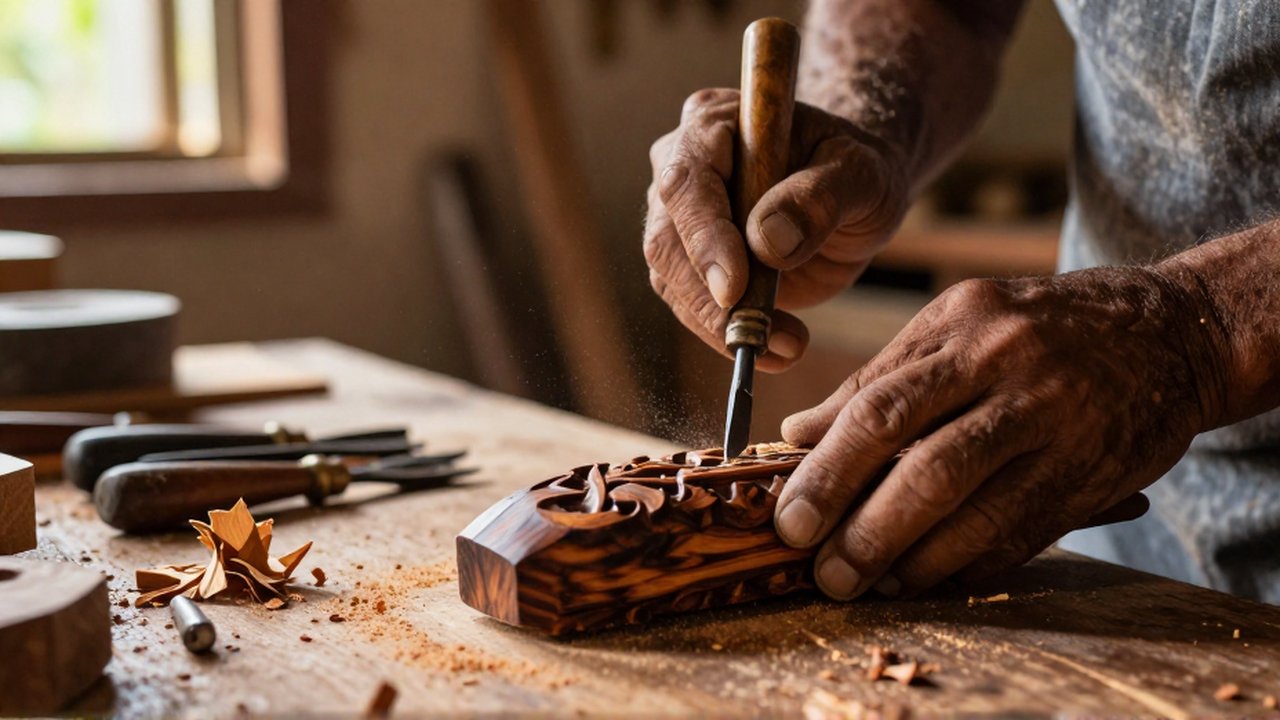
Working with local tropical woods offers artisans a unique opportunity to create pieces that possess extraordinary color, durability, and natural character. These woods are prized for their dense grain patterns and inherent resistance to many environmental factors, making them ideal for high-quality crafts ranging from small decorative items to functional furniture. Understanding the specific properties of these materials is essential for any woodworker looking to harness their full potential.
Using local timber is not just about aesthetic appeal; it is also about connecting with the regional identity and ensuring that your craft reflects the biological richness of the area. When you master the nuances of tropical hardwoods, you can produce items that stand the test of time, benefiting from the natural oils and structural integrity that these species provide. This guide provides the foundational knowledge needed to select, prepare, and refine tropical wood for artisanal projects.
Benefits of working with tropical hardwoods
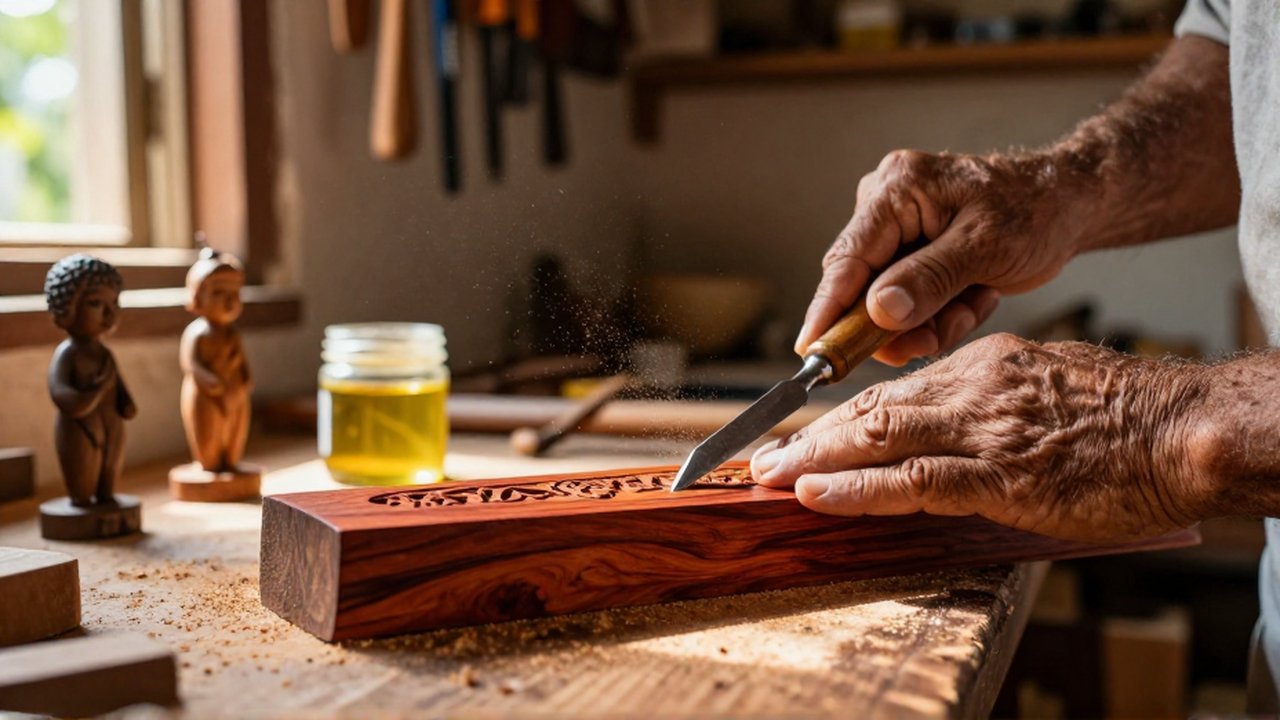
Tropical woods are distinct from temperate softwoods or hardwoods due to their density and complex cellular structures. One of the primary advantages is durability. Many species found in tropical climates are naturally resistant to moisture, decay, and insect infestation, which makes them excellent choices for items that might be exposed to humidity or varying temperatures.
Another significant benefit is the visual diversity. Tropical woods often feature dramatic color shifts—from deep mahoganies and chocolate browns to vibrant reds and golden hues. The grain patterns can be incredibly intricate, allowing the wood itself to act as the primary decorative element of the craft, often reducing the need for artificial stains or heavy embellishments. Furthermore, the high density of these woods allows for fine, detailed carving and a high-gloss polish that is difficult to achieve with softer materials.
Essential characteristics to consider before starting
Before selecting a piece of timber, you must evaluate its physical properties to ensure it matches your intended project. Not all tropical woods react to tools in the same way, and choosing the wrong species for a specific technique can lead to frustration or ruined material.
- Hardness and Density: Highly dense woods require sharper tools and more force. If you are planning intricate relief carving, a moderately hard wood may be more forgiving than an extremely dense species.
- Grain Direction and Interlocked Grain: Some tropical species feature interlocked grain, where the fibers change direction frequently. This can create stunning visual effects but makes planing and sanding more challenging, as the wood may “tear out” if you move against the grain.
- Oil Content: Many tropical hardwoods are naturally oily. While this provides water resistance, it can interfere with certain adhesives and finishes. You may need to clean the surface with a solvent before applying glue or lacquer.
- Stability: Even though they are durable, some tropical woods can move significantly as they acclimate to indoor environments. Understanding how a specific species reacts to humidity is vital for joinery.
Steps to prepare tropical wood for crafting
Preparation is the most critical phase when working with premium local timber. Because these woods are often expensive and rare, a mistake during the initial stages can be costly.
Acclimatization and Drying Tropical wood must be properly seasoned. If you are using “green” wood (recently cut), it must undergo a controlled drying process to reduce moisture content. Using wood that is too wet will cause your finished craft to crack, warp, or split as it dries in a home environment. Ideally, let the wood sit in your workshop for several weeks to adjust to the local ambient humidity.
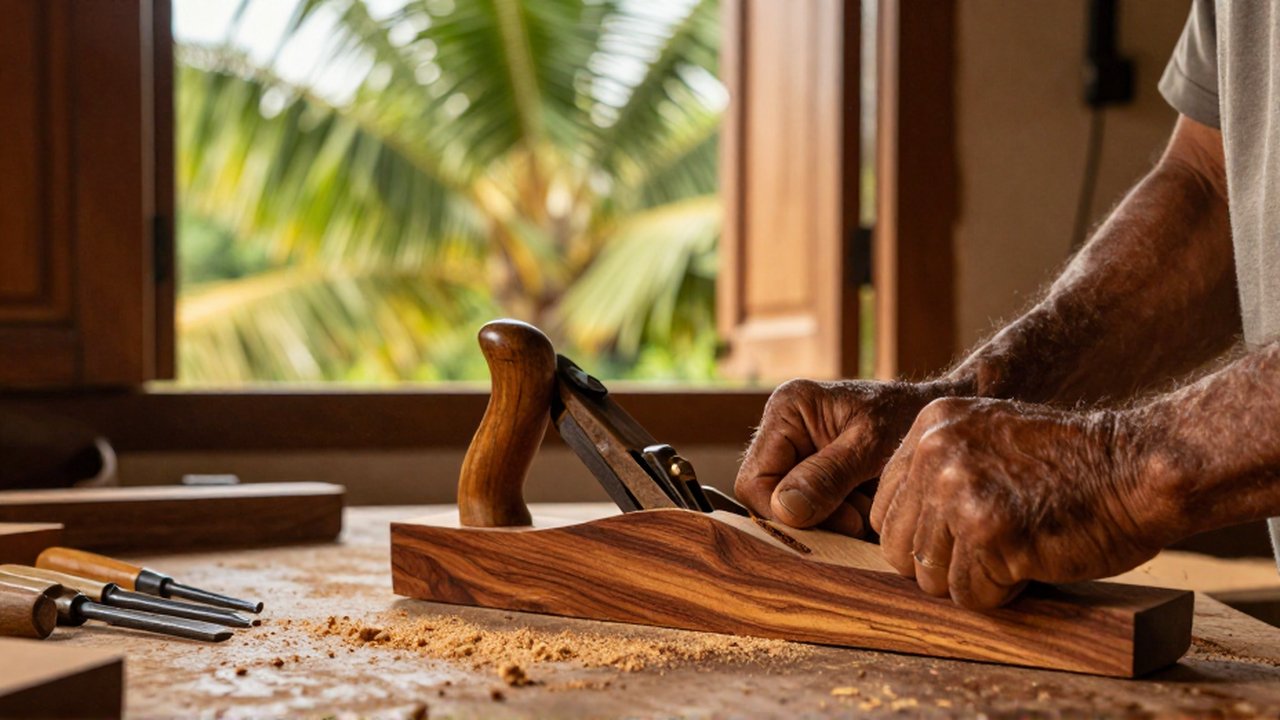
Selecting the right tools Because of their hardness, tropical woods demand high-quality, sharp steel. Dull blades will not cut through the fibers; instead, they will crush them, leading to a fuzzy texture and poor finishing. Invest in high-carbon steel chisels and plane blades, and make frequent sharpening a part of your workflow.
Cutting and Shaping When cutting, always work with the grain whenever possible. If you encounter interlocked grain, use a slower, more controlled movement. For carving, use a very sharp knife to slice through the fibers rather than pushing through them, which prevents splintering.
Sanding and Finishing Start with a coarse grit to remove tool marks and gradually move to finer grits. Because tropical woods can be oily, always check the manufacturer’s recommendations for finishes. A wipe-on oil finish often highlights the natural beauty of these woods beautifully, but you must ensure the surface is free of dust and excess natural resins before application.
Common mistakes to avoid in tropical woodworking
One frequent error is underestimating the difficulty of sanding. Due to the density of the wood, sanding can take much longer than expected. Skipping grits or moving to a fine grit too quickly will leave visible scratches that become even more apparent once a finish is applied.
Another mistake is using incorrect adhesives. Some tropical woods contain natural oils that act as a barrier to standard wood glues. Always test a small scrap of the wood with your chosen adhesive to ensure a strong bond is formed. Finally, avoid over-working the wood with power tools. High-speed sanding or routing on very dense tropical timber can generate significant heat, which can scorch the wood or cause the resins to gum up your sandpaper.
Frequently asked questions
Why does my tropical wood feel oily to the touch? Many tropical species produce natural resins and oils as a defense mechanism against insects and rot. While this adds durability, you may need to wipe the wood with a cloth dampened with a solvent (like acetone) before gluing or applying certain finishes to ensure proper adhesion.
Can I use tropical wood for outdoor furniture? Yes, many local tropical species are exceptionally well-suited for outdoor use due to their natural resistance to decay and moisture. However, ensure the specific species you choose is rated for exterior use and consider applying a UV-protective finish to prevent color fading.
How can I prevent tearing when working with interlocked grain? To minimize tearing, use extremely sharp tools and take very shallow cuts. If you are using a plane, ensure the blade is set at a low angle. If you are carving, always follow the direction of the grain, even if it means changing your angle of approach frequently.



Post Comment