Evolution of Dominican drama in the 20th century
Introduction
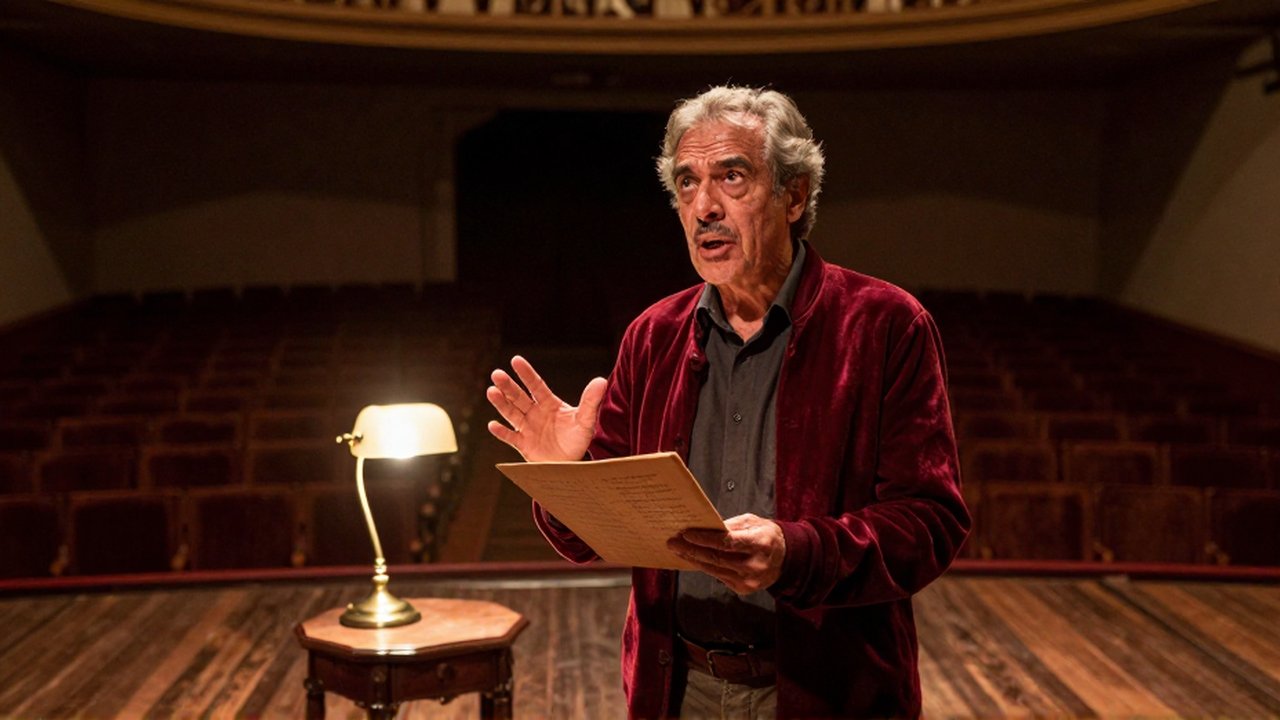
The evolution of Dominican drama in the 20th century represents a profound journey from colonial-influenced theatrical traditions toward a robust, self-aware national identity. Throughout this period, playwrights and performers used the stage as a critical tool for social commentary, political resistance, and cultural exploration. Understanding this evolution is essential for anyone looking to grasp how the Dominican Republic defined its voice amidst mid-century political turmoil and the shifting dynamics of Caribbean society.
The century began with theatrical forms that were often imported or heavily influenced by European structures, but as the decades progressed, a distinct local aesthetic emerged. Drama became a medium to address the complexities of Dominican life, including the struggles of the working class, the search for national sovereignty, and the tension between tradition and modernity. This transition transformed the theater from a space of mere entertainment into a vital arena for intellectual and social debate.
Early theatrical stages and structural influences

At the dawn of the 20th century, Dominican theater was characterized by a reliance on classical models. Much of the dramatic production was rooted in European traditions, where the themes often centered on romanticism, melodrama, and historical narratives that lacked a specific local vernacular. During this stage, theater served primarily as a social ritual for the upper classes, emphasizing formal aesthetics and rigid structural conventions.
As the century progressed, a shift began to occur as local writers started to incorporate Dominican idioms and social realities into their scripts. The transition was not immediate, as the technical infrastructure for professional theater was still developing. However, the groundwork was being laid for a movement that would eventually reject imported tropes in favor of authentic storytelling. This early period is crucial because it established the formal training and rigorous discipline that later playwrights would utilize to challenge the status quo.
The impact of social and political shifts on dramatic content
The mid-20th century was a turning point for Dominican drama, driven largely by the intense political climate of the era. The period of the Trujillo dictatorship significantly influenced the production and consumption of art. While censorship forced much of the critical social commentary into metaphor or symbolism, the stage remained a place where the collective consciousness of the people could be subtly channeled.
As the nation moved toward democratization in the latter half of the century, the “Teatro de la Resistencia” (Theater of Resistance) concept became more pronounced. Playwrights began to use the stage to tackle:
- Social Inequality: Highlighting the disparity between the rural peasantry and the urban elite.
- National Identity: Investigating what it truly meant to be Dominican in a post-colonial landscape.
- Political Critique: Using allegory to bypass censorship and address the scars left by authoritarianism.
This era saw the rise of more experimental forms, as creators moved away from the well-made play toward more Brechtian and avant-garde techniques that encouraged the audience to think critically rather than just feel emotion.
The emergence of a distinct Dominican dramatic voice

Toward the final decades of the 20th century, Dominican drama achieved a level of maturity that allowed for a diverse range of voices. The focus shifted from purely political struggle to a more nuanced exploration of the human condition within the Caribbean context. This period was marked by the professionalization of acting troupes and the establishment of more stable theatrical institutions.
The “New Wave” of Dominican playwrights introduced a blend of realism and magical realism, reflecting the complex tapestry of Dominican culture. This movement was characterized by:
| Feature | Early 20th Century Drama | Late 20th Century Drama |
|---|---|---|
| Primary Influence | European Classical Models | Local Social Realism & Avant-Garde |
| Language | Formal and Academic | Vernacular and Colloquial |
| Themes | Romanticism and History | Identity, Politics, and Daily Life |
| Goal | Entertainment and Status | Social Critique and Identity Formation |
This evolution allowed the Dominican stage to become a mirror for the nation, reflecting its contradictions, its triumphs, and its ongoing struggle to define its place in the modern world.
Frequently asked questions
How did censorship affect Dominican theater in the mid-20th century? Censorship forced playwrights to use allegory, symbolism, and metaphor to convey political messages. This inadvertently led to a highly sophisticated style of writing where much of the meaning was found between the lines.
What were the main themes of Dominican drama in the 1900s? At the beginning of the century, themes were largely romantic and historical. By the end of the century, themes had expanded to include social justice, national identity, class struggle, and the psychological effects of political change.
Did Dominican drama remain purely realistic throughout the century? No. While social realism was a dominant force, particularly during periods of political tension, the end of the century saw a rise in experimental, avant-garde, and symbolic theater that broke away from strictly realistic portrayals.


Post Comment