Best wood types for Dominican traditional carving art

Introduction
Dominican wood carving is a profound expression of Caribbean identity, blending indigenous roots, colonial influences, and a deep connection to the island’s tropical biodiversity. This traditional art form involves transforming raw timber into intricate sculptures, household items, and religious icons that reflect the nation’s soul. Understanding the specific characteristics of different woods is essential for any artist or collector, as the material dictates the level of detail achievable and the longevity of the finished piece.
Choosing the correct wood type is a critical decision that occurs at the very beginning of the creative process. The right timber provides the necessary grain tightness, durability, and aesthetic warmth required for high-quality craftsmanship. Whether a carver is working on a small, delicate ornament or a large, structural piece of furniture, the choice of wood influences how the tool interacts with the material and how the final product will age over decades of use in tropical climates.
Importance of wood selection in Dominican carving
The selection of wood is not merely a logistical step but a fundamental part of the artistic vision. In the Dominican Republic, carvers must balance the availability of local species with the specific demands of their craft. The density of the wood determines how fine a detail can be carved without the piece splintering, while the natural color and grain patterns add a layer of organic beauty that no stain can perfectly replicate.
Furthermore, the environmental context of the Caribbean plays a significant role. Woods used for traditional carving must be able to withstand humidity and temperature fluctuations. Selecting a wood that is prone to excessive warping or cracking can lead to the failure of an intricate sculpture. Therefore, a mastery of wood characteristics is just as important as the mastery of the chisel.
Common wood types used by traditional carvers
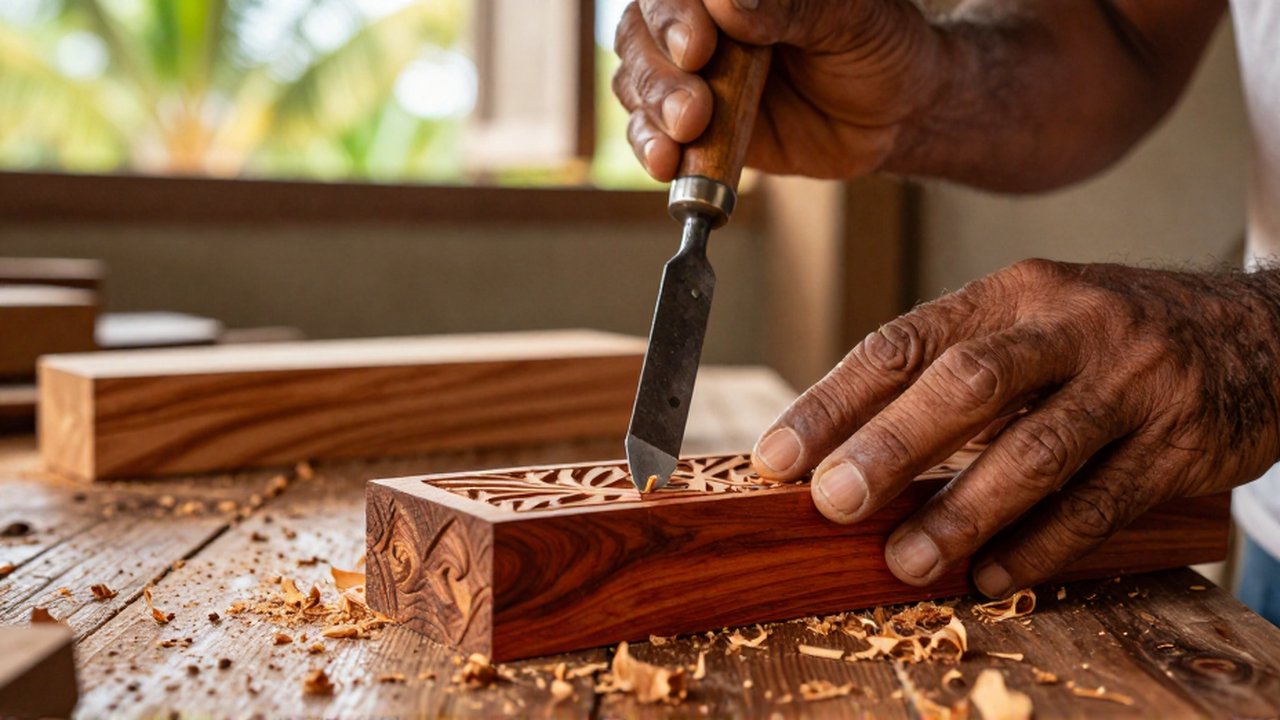
Several species are favored in the Dominican Republic due to their unique properties and historical significance in local craftsmanship.
Mahogany (Caoba) Mahogany is perhaps the most prestigious wood used in Caribbean carving. It is highly prized for its durability, stability, and beautiful reddish-brown hue. Because it has a relatively fine, straight grain, it allows for extremely intricate detail work. It is resistant to rot and insects, making it ideal for both indoor sculptures and pieces that might face moisture.
Guayacán Guayacán is an extremely dense and heavy hardwood. While its hardness makes it much more difficult to carve than mahogany, it produces an incredibly smooth and lustrous finish. It is often used for smaller, highly detailed items or tools that require high impact resistance. Its dark, rich color makes it a favorite for high-end decorative pieces.
Cedar (Cedro) Cedar is widely used because it is relatively easy to work with, even for beginners. It is lighter than mahogany and has a pleasant aroma. While it is softer and therefore less suitable for high-relief intricate details that must endure heavy handling, it is excellent for larger structural components, bowls, and decorative wall panels.
Other local hardwoods Various other tropical species are used depending on the specific regional availability. These include woods that offer different grain textures, ranging from very coarse to extremely fine, allowing artists to choose a medium that matches the “feel” of their intended design.
Comparison of wood characteristics
To help determine which wood is best suited for a specific project, the following table summarizes the primary differences between the most common types.
| Wood Type | Hardness | Detail Capability | Durability | Common Uses |
|---|---|---|---|---|
| Mahogany | Medium | Very High | High | Fine sculptures, furniture |
| Guayacán | Very High | High (Difficult) | Very High | Small ornaments, luxury items |
| Cedar | Low/Medium | Moderate | Medium | Large items, carvings, panels |
Key factors for choosing the right timber

When deciding on a wood type, several decision criteria should guide the process to ensure the success of the artwork.
Grain Density and Texture A fine, tight grain is essential for pieces that require meticulous, small-scale carving. Large, open pores can cause the wood to chip or break during fine detail work. If the artist intends to carve faces or delicate textures, a dense wood like mahogany or guayacán is preferable.
Workability This refers to how easily the wood responds to cutting tools. A wood that is too hard may dull tools quickly and require significant physical strength, while a wood that is too soft may crush under the pressure of the chisel rather than producing a clean cut.
Stability and Seasoning Tropical woods are subject to movement. It is vital to use wood that has been properly seasoned (dried). Even the best wood will crack or warp if it is not properly prepared for the carving process, especially in the humid Dominican climate.
Aesthetic Value The natural color and grain pattern of the wood should complement the subject matter. Some artists prefer the dark, dramatic look of Guayacán, while others seek the warm, classic elegance of Mahogany.
Common mistakes in wood carving selection
One of the most frequent mistakes is choosing a wood based solely on its beauty without considering its hardness. An artist might fall in love with a specific exotic wood, only to find it too brittle or too hard to manipulate with their current set of tools.
Another error is neglecting to account for the final environment of the piece. Using a soft wood for an item intended for outdoor use or a high-traffic area will lead to rapid degradation. Finally, failing to ensure the wood is properly seasoned can result in a masterpiece that “self-destructs” through cracking as it settles into a new environment.
Frequently asked questions
Which wood is easiest for beginners in Dominican carving? Cedar is generally considered the most accessible for beginners because it is softer and easier to carve with basic tools, allowing for a smoother learning curve.
Can mahogany be used for both large and small carvings? Yes, mahogany is highly versatile. Its balance of hardness and stability makes it excellent for everything from large furniture components to small, highly detailed sculptures.
Why is Guayacán so difficult to work with? Guayacán is exceptionally dense and heavy. Its hardness requires much sharper tools and more physical effort to carve, but the result is a highly durable and polished finish.
How does humidity affect carved wooden art? Humidity can cause wood to expand or contract. Using seasoned, high-quality hardwoods like mahogany helps mitigate this risk, but all wood art should be kept in stable environments to prevent cracking.

Post Comment