Steps to create a simple abstract painting
Introduction
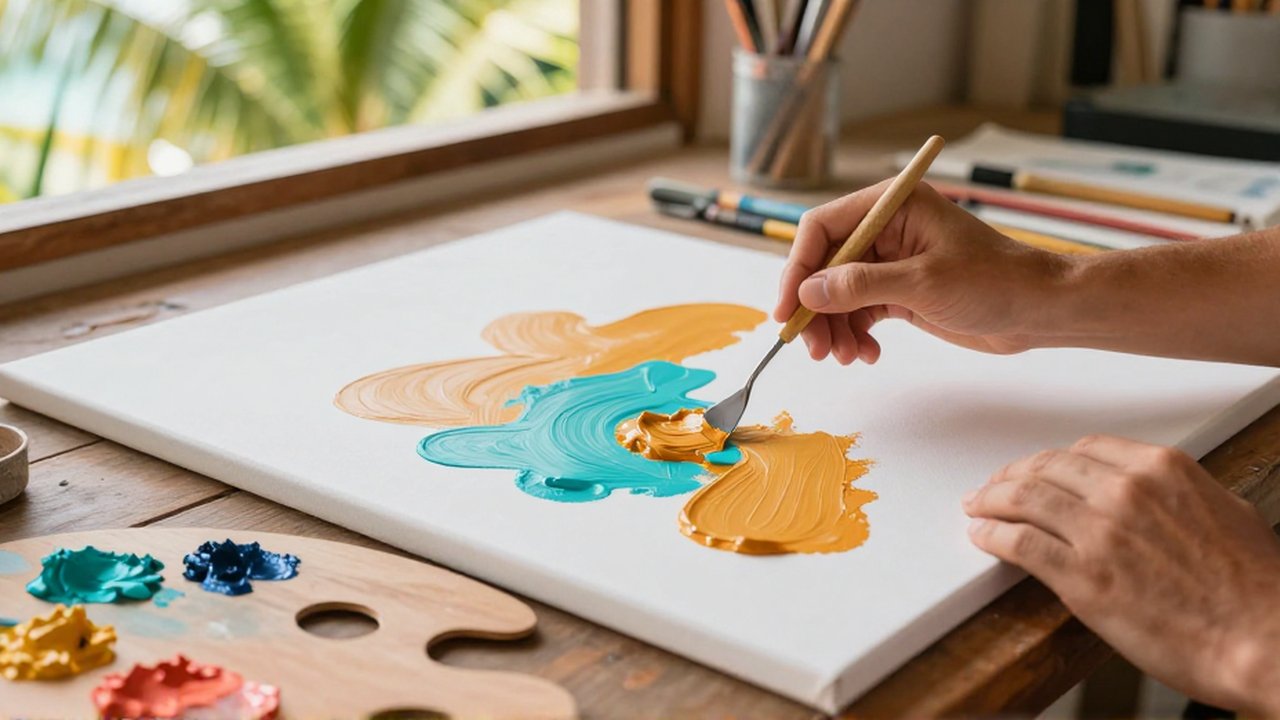
Abstract painting is an expressive art form that prioritizes color, shape, line, and texture over the depiction of recognizable objects or realistic figures. Instead of trying to replicate the physical world, the artist communicates emotions, moods, or pure aesthetic concepts through visual elements. This approach allows for immense creative freedom, making it an ideal medium for beginners who may feel intimidated by the technical rigors of traditional portraiture or landscape painting.
Engaging in abstract art is an excellent way to explore personal expression and reduce stress through intuitive movement. It is appropriate for anyone looking to decorate a space with unique, handmade pieces or for those seeking a meditative hobby that does not require perfect anatomical accuracy. By focusing on the process rather than a specific outcome, you can unlock a new way of perceiving color and composition.
Essential materials for abstract art
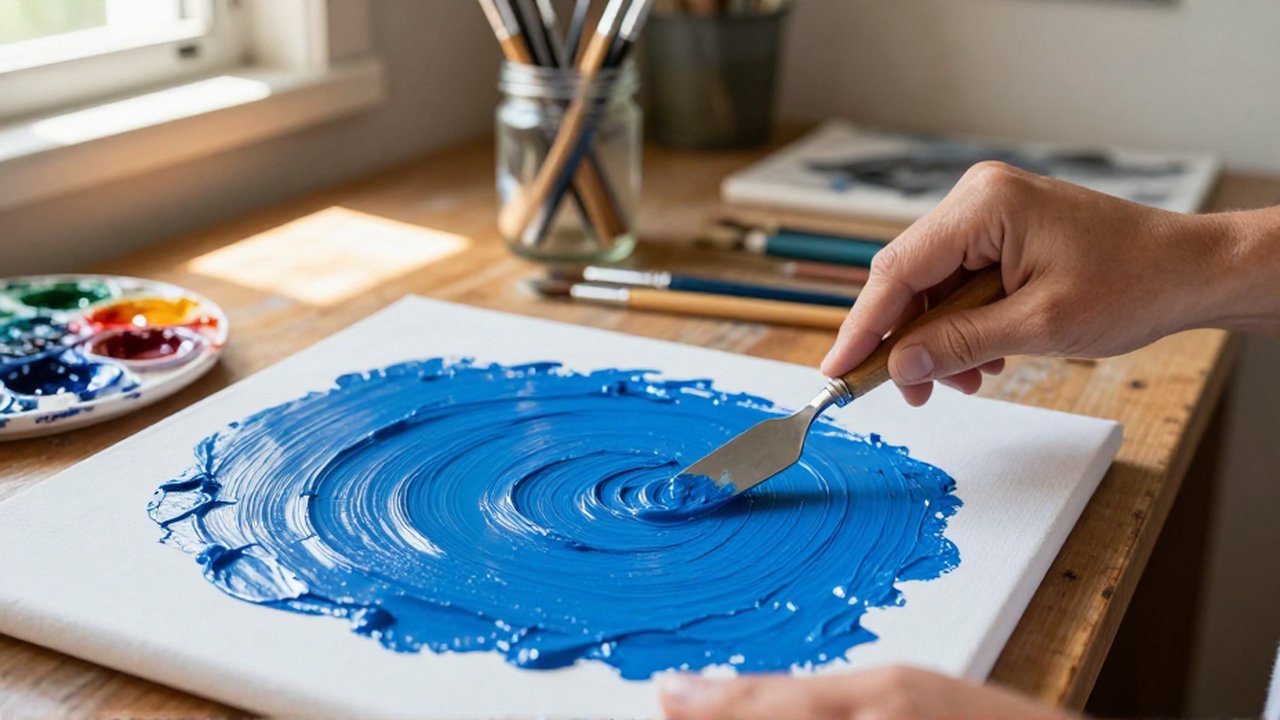
Before starting your first piece, it is important to gather a basic set of supplies. While professional-grade materials are excellent, beginners can achieve great results with standard art supplies. Having the right tools ensures that your creative flow is not interrupted by a lack of resources.
- Surface: A canvas, canvas board, or heavy-weight mixed media paper.
- Paint: Acrylic paints are highly recommended for beginners due to their fast drying time and versatility.
- Brushes: A variety of shapes is helpful, including flat brushes for large areas and round brushes for detail.
- Palette: A surface to mix colors, such as a plastic palette or a disposable paper plate.
- Applicators: Spatulas, palette knives, or even sponges can add unique textures.
- Water and Rags: For cleaning brushes and thinning paint.
Preparation and color selection
A common mistake in abstract painting is choosing colors at random without a cohesive plan. While abstraction is about freedom, successful pieces often benefit from a deliberate color palette. Before touching the canvas, decide on a color scheme that reflects the mood you wish to convey.
You might choose a monochromatic scheme, using various shades and tints of a single color, or a complementary scheme, using colors from opposite sides of the color wheel (like blue and orange) to create high contrast. Think about the “temperature” of your painting: warm colors (reds, yellows) evoke energy, while cool colors (blues, greens) suggest calmness. Once your palette is chosen, organize your paints so they are easily accessible during the process.
Basic steps to build your composition
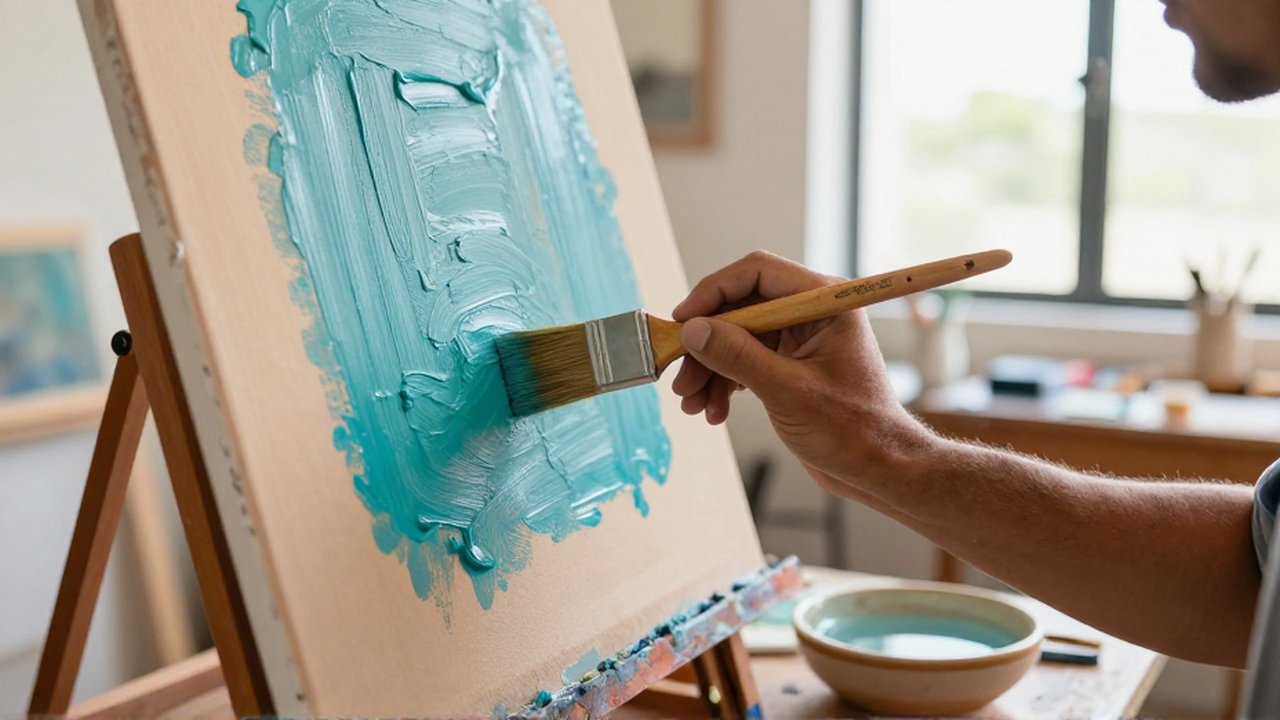
Creating an abstract painting is a layered process. Following a structured sequence helps prevent the canvas from looking cluttered or accidental.
- Create a background layer: Start by covering the entire canvas with a base color or a light wash. This eliminates the “fear of the white canvas” and provides a foundation for subsequent layers.
- Establish movement with lines and shapes: Use brushes or palette knives to introduce large shapes or sweeping lines. At this stage, do not worry about perfection; focus on the direction and rhythm of the marks.
- Layering and depth: This is the most critical stage. Add more color on top of your dried base layers. By layering different colors and textures, you create optical depth that makes the painting feel three-dimensional.
- Introduce texture: Use a palette knife to apply thick “impasto” strokes or use sponges to dab paint onto the surface. Texture adds a tactile quality that draws the viewer’s eye.
- Refine and balance: Look at your work from a distance. If one area feels too “heavy” or busy, add a calming color or a simpler shape to balance the composition.
Common mistakes to avoid
Even though there are no “rules” in abstract art, certain pitfalls can hinder the visual impact of your work.
- Overworking the canvas: Beginners often continue adding layers long after the piece is finished. If you find yourself constantly correcting marks, you may be muddying your colors. Knowing when to stop is a vital skill.
- Lack of contrast: A painting that uses only mid-tones can look flat. Ensure you have a mix of light and dark values to create visual interest.
- Fear of making mistakes: In abstraction, there are no mistakes, only opportunities for new layers. If a stroke doesn’t go as planned, let it dry and paint over it or incorporate it into a new shape.
Frequently asked questions
How long does it take for an abstract painting to dry? If you are using acrylics, thin layers dry in minutes, while thick, textured layers may take several hours or even a day. Always ensure a layer is dry before adding more color on top to avoid mixing them into a single muddy color.
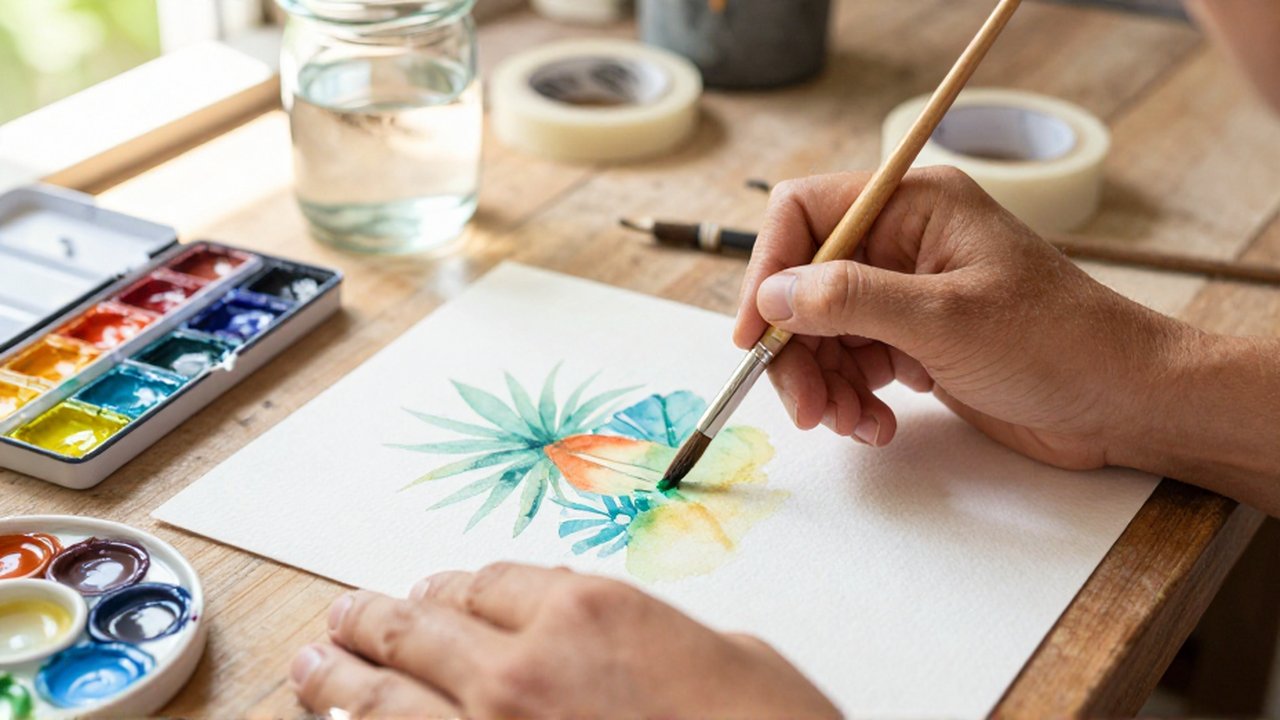
Can I use watercolors for abstract art? Yes, watercolors are excellent for creating fluid, ethereal abstract pieces. However, they require more control over water usage and cannot be easily layered over dark colors like acrylics can.
What is the difference between abstract and non-objective art? Abstract art often simplifies or distorts real-world objects, while non-objective art does not represent anything from the physical world at all, focusing entirely on pure form and color.
How do I choose a frame for an abstract piece? Since abstract art is subjective, frames vary widely. A simple, modern frame often works best to avoid distracting from the composition, but you can also choose a frame that echoes a specific color used in the painting.


Post Comment