What are the essential spices in Dominican cuisine
Introduction
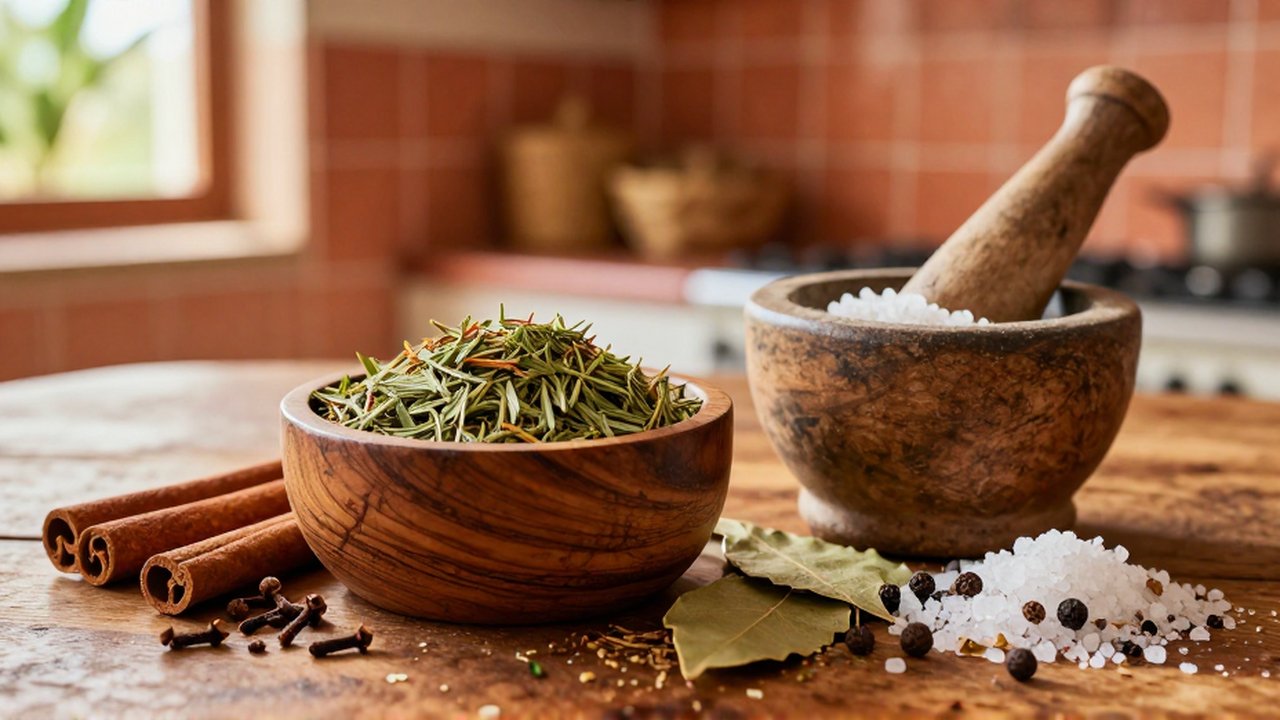
Dominican cuisine is a vibrant tapestry of flavors that reflects the island’s complex history, blending indigenous Taíno, African, and Spanish influences. At the heart of this culinary tradition lies the strategic use of spices and aromatics, which transform simple ingredients like tubers, rice, and proteins into deeply flavorful, soul-warming meals. Understanding these essential spices is crucial for anyone looking to recreate the authentic taste of the Caribbean.
The seasoning profiles used in a Dominican kitchen are not merely additives; they are foundational elements used to create “sazón,” the quintessential savory depth found in almost every traditional dish. These spices are typically utilized together to create a base of flavor that defines the aroma and character of national staples such as La Bandera Dominicana or various stews. Mastering these ingredients allows for a deeper appreciation of how Dominican cooks layer flavors to achieve balance and complexity.
The foundation of Dominican flavor profiles
Dominican cooking rarely relies on a single spice in isolation. Instead, the cuisine thrives on the combination of fresh aromatics and dried spices. While many cultures use heavy amounts of dried powders, Dominican tradition often emphasizes fresh components that provide both moisture and intense fragrance to the cooking pot.
The most significant element in Dominican seasoning is the concept of the sofrito. While recipes may vary from household to household, a standard Dominican base usually begins with a blend of finely chopped vegetables and spices. This mixture is sautéed in oil at the beginning of the cooking process, allowing the oils to absorb the essence of the ingredients, which then coats the meat or grains as they cook.
Essential aromatic vegetables and herbs

Though technically classified as aromatics or herbs, these ingredients function as the primary “spices” in a Dominican kitchen. They provide the high notes and the essential structure of the flavor profile.
- Garlic: This is arguably the most important ingredient. Garlic is used generously in almost every savory dish, often crushed or minced into a paste to ensure it distributes evenly through stews and rice.
- Onions: White or yellow onions are used as a base for most savory sautés. They provide a subtle sweetness and acidity that balances the heavier fats used in cooking.
- Bell Peppers: These are used to add color and a mild, sweet pepper aroma. They are a critical component of a traditional Dominican sofrito.
- Cilantro: This herb provides a fresh, bright finish to many dishes. It is often added toward the end of the cooking process or used in marinades to provide a citrusy, earthy undertone.
- Ají Gustoso: This is a specific type of sweet Caribbean chili pepper. It is smaller and more fragrant than standard bell peppers and is considered indispensable for achieving an authentic flavor.
Dried spices and seasonings
In addition to the fresh aromatics, dried spices provide the warmth and depth necessary for complex dishes like Sancocho (a hearty meat stew) or seasoned rice.
| Spice | Flavor Profile | Common Uses |
|---|---|---|
| Oregano | Earthy and pungent | Meat marinades, stews, and beans |
| Cinnamon | Sweet and woody | Rice pudding (Arroz con Leche) and certain meat dishes |
| Black Pepper | Sharp and spicy | General seasoning for almost all savory proteins |
| Cloves | Intense and aromatic | Often used sparingly in meat stews or sweet desserts |
| Allspice | Warm, complex blend | Meat preparations and certain breakfast recipes |
Oregano is particularly noteworthy in Dominican households. Unlike the Mediterranean variety, the oregano used in the Caribbean is often more potent and earthy, making it a dominant flavor in slow-cooked meats and legume dishes.
Techniques for effective seasoning
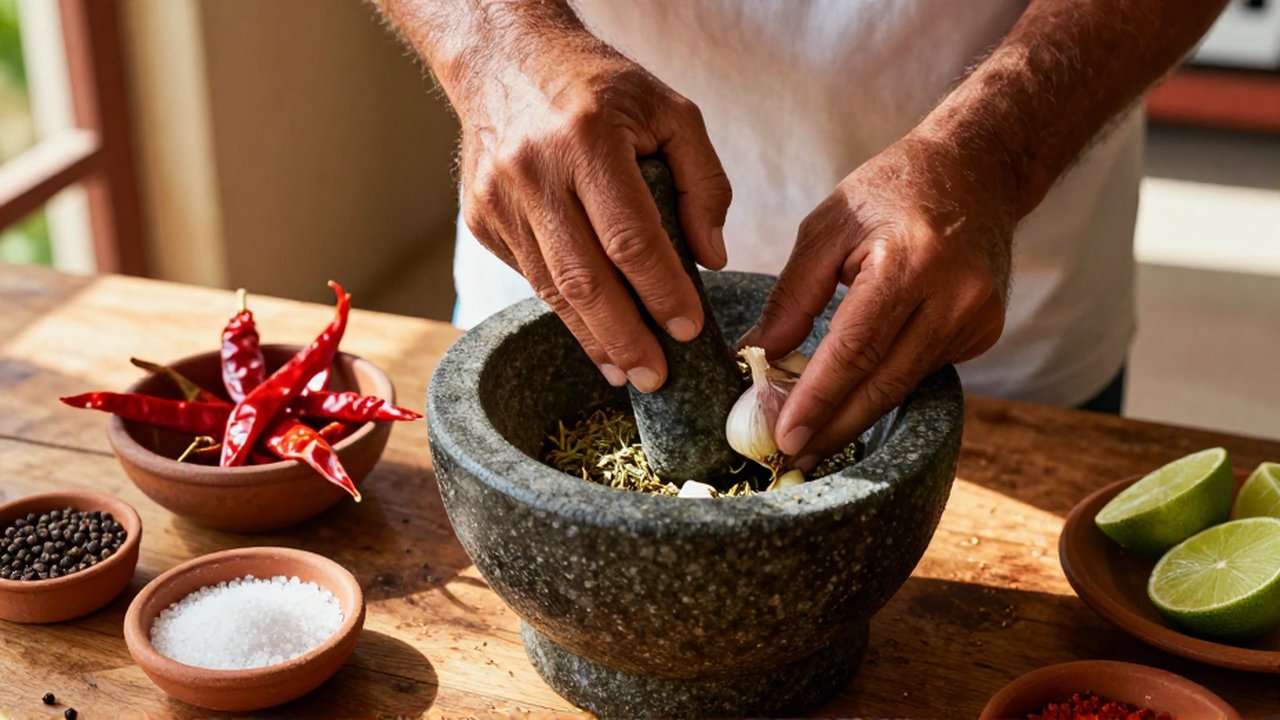
To achieve the best results, Dominican cooking follows specific patterns of application. Simply sprinkling spices on top of finished food is rarely how traditional flavors are developed.
First, the technique of marinating is essential. For proteins like chicken, pork, or beef, a mixture of garlic, oregano, salt, and citrus juice (such as lime or bitter orange) is applied well before cooking. This allows the flavors to penetrate the muscle fibers.
Second, the layering of flavors via the sofrito ensures that the spices are cooked into the fat. By sautéing the aromatics first, the chef creates a flavorful base that migrates through the entire dish. This is especially important in rice dishes, where the rice absorbs the seasoned oil, ensuring that every grain is infused with flavor rather than just being coated on the surface.
Common mistakes in seasoning
One frequent error when attempting Dominican cuisine is the overuse of pre-packaged, artificial seasoning granules. While convenient, these products often contain high levels of sodium and lack the nuanced, fresh profile of garlic and oregano. To maintain authenticity, it is better to build your own seasoning base from whole ingredients.
Another mistake is adding fresh herbs like cilantro too early in the cooking process. High heat and prolonged boiling can destroy the delicate volatile oils in cilantro, leaving the dish tasting muddy rather than fresh. For the best results, add fresh herbs during the final stages of cooking or as a garnish.
Frequently asked questions
What is the most important spice in Dominican food? While there is no single “most important,” garlic acts as the primary backbone for nearly every savory dish, followed closely by oregano for its distinctive earthy aroma.
Can I substitute Ají Gustoso with bell peppers? Yes, bell peppers are an acceptable substitute, but they lack the specific floral aroma of the Caribbean Ají Gustoso. To compensate, some cooks add a tiny amount of lime zest or a touch of different chili to mimic the complexity.
Is Dominican food very spicy? Generally, no. Dominican cuisine focuses on “seasoned” rather than “spicy” flavors. The heat comes from the depth of aromatics like garlic and oregano rather than the capsaicin heat of chili peppers, though fresh chilies can be used for those who prefer more heat.
How do I make a basic Dominican seasoning paste? A simple way to start is by blending garlic, salt, black pepper, dried oregano, and a little olive oil. This paste can be used to marinate meats or as a base for stews.



Post Comment