Differences between Caribbean and Dominican basketry styles
Introduction
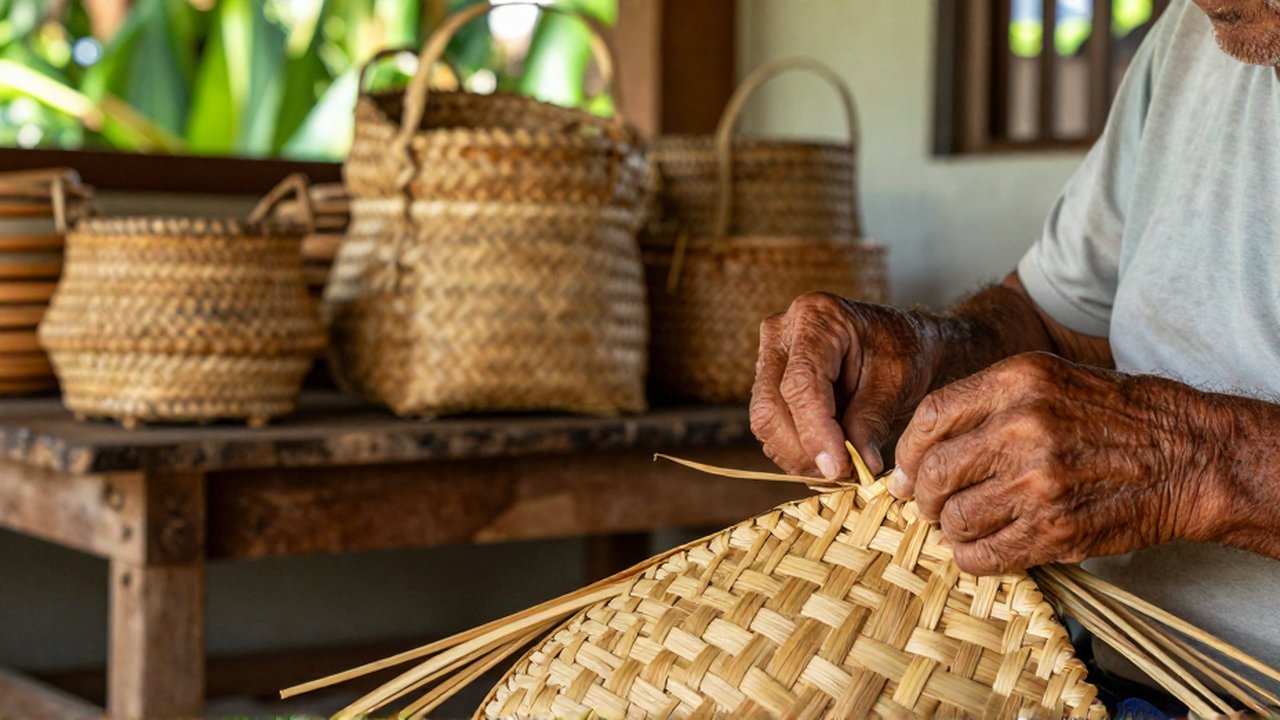
Basketry is one of the oldest and most enduring forms of craftsmanship in the Caribbean region, serving as a vital link between ancestral traditions and modern functional art. The practice of weaving fibers into vessels, mats, and decorative items is not merely a technical skill but a method of preserving cultural identity through the use of local biodiversity. Understanding the nuances of these crafts allows enthusiasts and researchers to appreciate the subtle distinctions shaped by geography, history, and available raw materials.
While the Dominican Republic is a central part of the Caribbean, its basketry style possesses unique characteristics that set it apart from the broader regional trends found in islands like Jamaica, Cuba, or the Lesser Antilles. Distinguishing between these styles requires an examination of the specific plant species used, the complexity of the weaving patterns, and the historical influences—ranging from indigenous Taíno roots to European and African contributions—that have defined the aesthetic of each area.
Regional context of Caribbean basketry
Basketry across the Caribbean is deeply rooted in the necessity of using what the land provides. In the wider Caribbean, weaving traditions often reflect a fusion of different migratory histories. For instance, many islands showcase styles influenced by West African weaving techniques, which prioritize durability and specific geometric motifs, alongside Spanish colonial influences that introduced different structural forms.
Commonly, Caribbean basketry serves both utilitarian purposes—such as harvesting crops or storing grains—and ceremonial roles. The materials used are typically resilient tropical fibers like palm, seagrass, or rattan. Because many Caribbean islands share similar climates, the general characteristic of the region is the use of sun-dried, flexible organic materials that are treated with natural resins to increase longevity.
Distinctive features of Dominican basketry
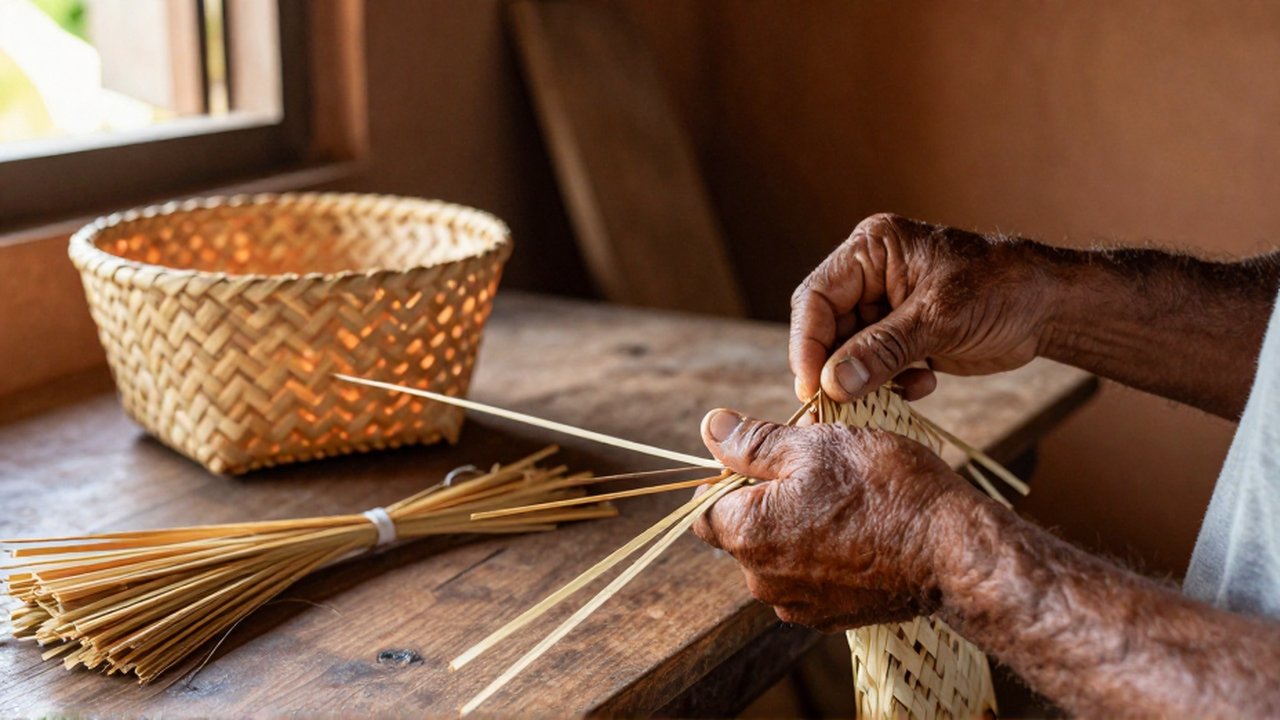
Dominican basketry holds a special place within the Caribbean due to its specific reliance on the diverse flora of Hispaniola. A major defining factor is the heavy influence of the Taíno heritage, which established foundational techniques that have persisted for centuries. Dominican artisans often utilize local palms, such as the palma real, and various reeds that are indigenous to the island’s specific microclimates.
Unlike some neighboring islands that may favor highly colorful or dyed fibers for purely aesthetic purposes, traditional Dominican basketry often leans toward a more natural, earthy palette. The focus remains on the structural integrity of the weave and the subtle texture of the raw fiber. While contemporary Dominican artisans are increasingly experimenting with decorative elements, the “classic” Dominican style is identified by its robust construction and its ability to withstand heavy domestic use.
Comparison of materials and techniques
To understand the differences clearly, one must look at the specific tools and raw materials that differentiate the Dominican approach from other Caribbean styles. The following table outlines the primary areas of divergence:
| Feature | General Caribbean Styles | Dominican Basketry Styles |
|---|---|---|
| Primary Materials | Wide variety including seagrass, cane, and imported rattan. | Heavy emphasis on local palms and specific Hispaniolan reeds. |
| Visual Aesthetics | Often incorporates bright dyes and complex polychromatic patterns. | Prefers natural tones and the organic texture of dried fibers. |
| Cultural Influence | Strong mix of African, European, and varied colonial aesthetics. | Primary foundation in Taíno indigenous weaving methods. |
| Functional Focus | Diverse; ranging from high-end decor to heavy utility. | Strong tradition of high-durability utilitarian vessels. |
Patterns and structural variations
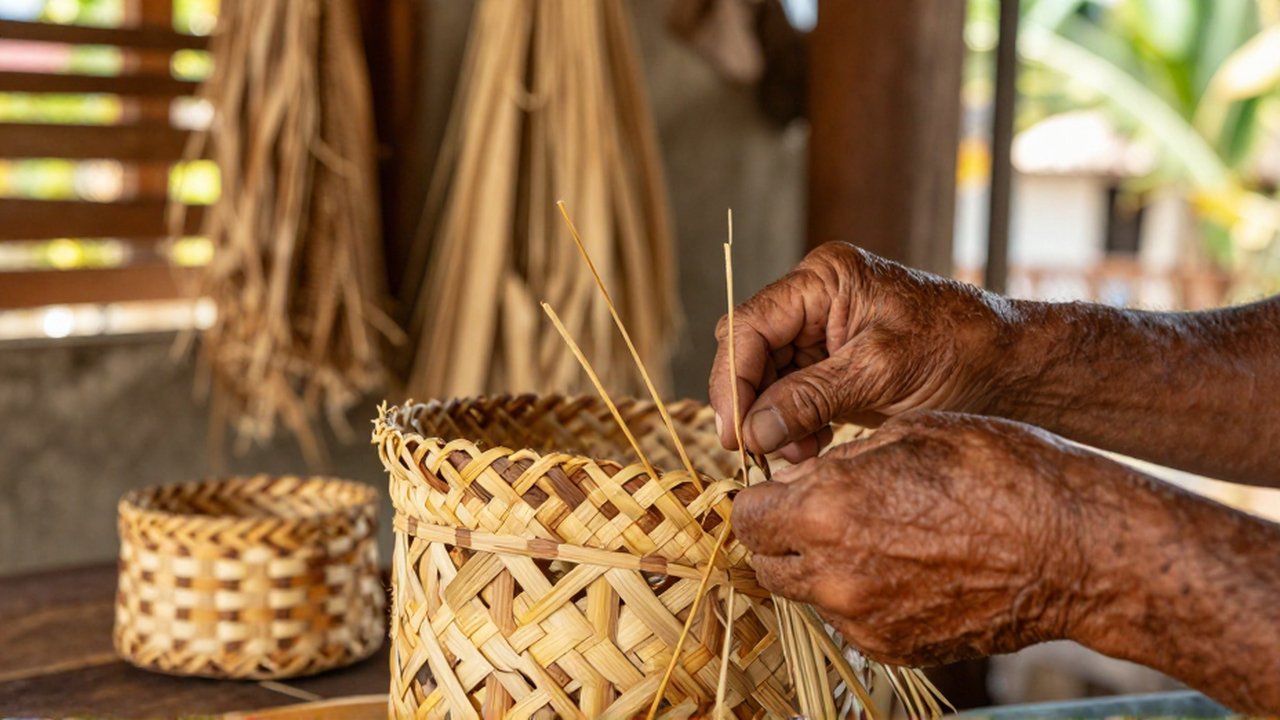
The structural logic of a basket often reveals its origin. In many parts of the Caribbean, you may find “coiling” techniques that create thick, heavy-duty baskets often used for maritime or large-scale agricultural purposes. These are characterized by a spiraling method where a bundle of fibers is sewn together in a continuous loop.
In the Dominican Republic, while coiling is present, there is a significant mastery of the interlacing technique. This involves weaving individual strips of palm or reed over and under one another in a tight, rhythmic pattern. This method often results in a more flexible yet incredibly strong structure, which is ideal for the various baskets used in traditional Dominican rural life, such as those used for transporting fruits or storing household goods.
Common mistakes in identifying styles
When attempting to distinguish these crafts, many observers fall into the trap of assuming that any basket made with tropical material is “Caribbean” in a generic sense. This overlooks the specific cultural signature of the Dominican Republic. Another common error is focusing solely on the finished product without considering the fiber’s origin; a basket made of imported synthetic rattan may look “tropical” but does not carry the authentic regional identity of traditional Caribbean or Dominican handiwork.
To identify authentic Dominican basketry, look for the specific “tooth” or texture provided by local palms. The weave tends to be more compact and less prone to the flamboyant color variations seen in some Afro-Caribbean styles, prioritizing the natural strength of the plant.
Frequently asked questions
What is the primary material used in traditional Dominican baskets? The most common materials are various types of local palms and reeds found throughout the island of Hispaniola.
How can I tell if a basket is authentically Dominican? Look for the use of natural, undecorated fibers, a focus on sturdy construction, and traditional interlacing patterns that stem from indigenous Taíno influences.
Is Dominican basketry mostly decorative or functional? While it is widely sold as decor today, its roots and most authentic forms are deeply functional, designed for agricultural and domestic utility.
Why do Caribbean basketry styles vary so much between islands? Variations are driven by the specific types of vegetation available on each island, different colonial histories, and the unique migratory patterns of the people living there.

Post Comment