How to store and preserve watercolor paintings safely
Introduction
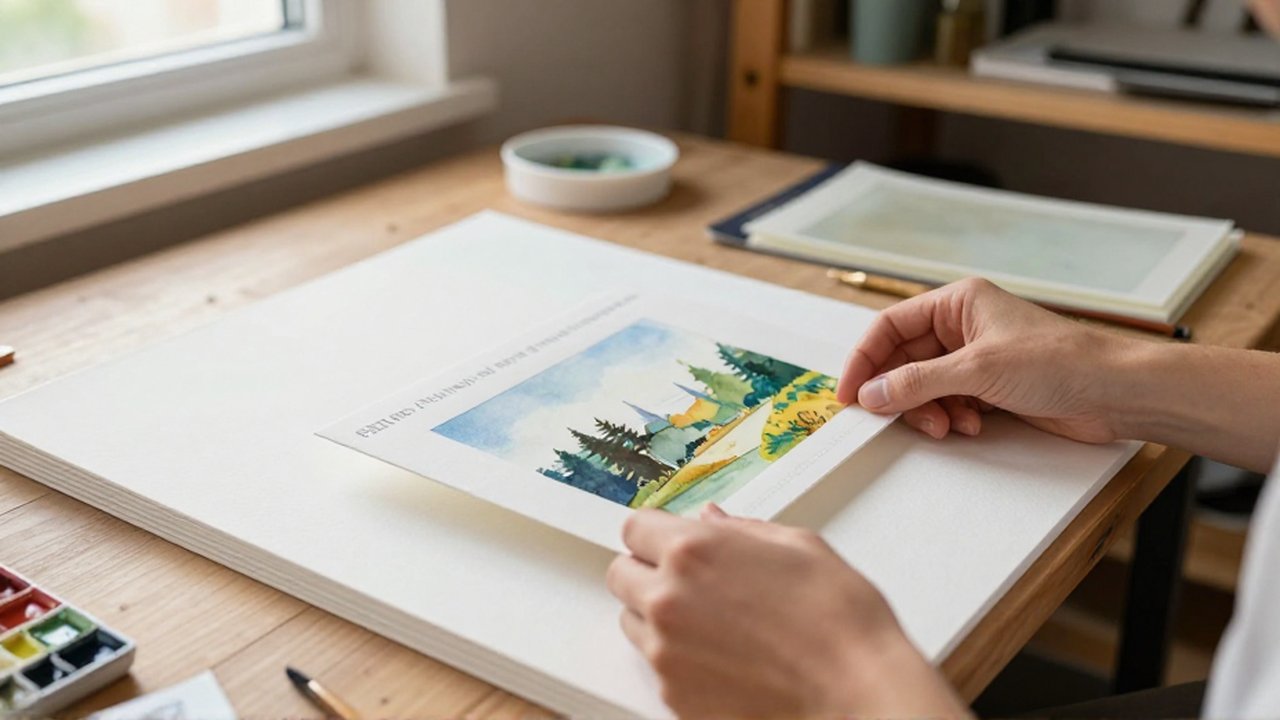
Watercolor paintings are among the most delicate forms of visual art due to the transparent nature of the pigments and the organic properties of the paper used. Because watercolor is a medium based on water-soluble binders, the artwork remains sensitive to environmental changes long after the paint has dried. Proper storage and preservation are essential to prevent fading, mold growth, and physical deterioration of the paper fibers.
Learning how to protect these works allows artists, collectors, and historians to maintain the vibrancy and structural integrity of the piece for decades. This is particularly important when dealing with professional-grade pigments that may be light-sensitive, or high-quality cotton papers that can warp if exposed to improper humidity. Understanding the correct methods of handling and housing ensures that the artistic intent is preserved against the natural processes of decay.
Environmental factors affecting watercolor longevity
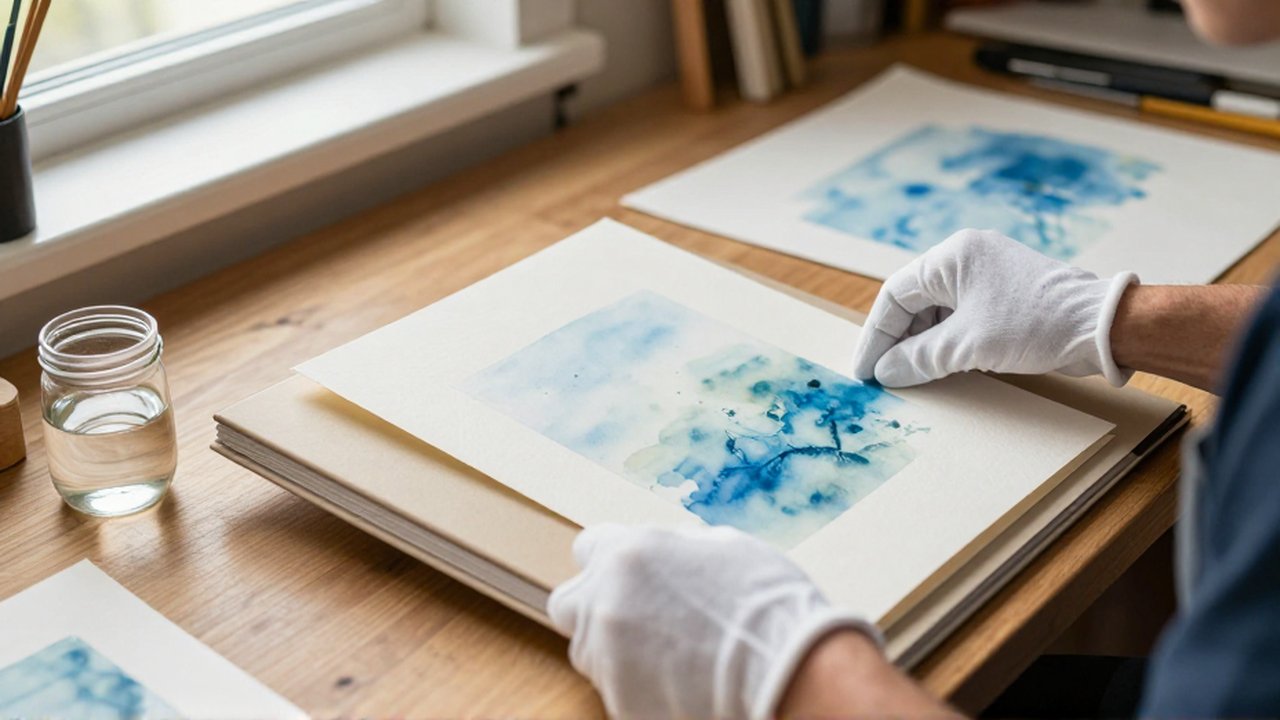
The primary enemies of watercolor art are light, humidity, and temperature fluctuations. Unlike oil paintings, which often feature a protective layer of varnish, watercolors are frequently exposed directly to the air, making them highly susceptible to external elements.
Light exposure is perhaps the most significant risk. Ultraviolet (UV) rays can cause irreversible fading of pigments, especially those derived from organic sources. Even high-quality professional pigments can lose their intensity if left in direct sunlight or under harsh fluorescent lighting. To mitigate this, artworks should always be displayed away from windows or protected by specialized glazing.
Humidity and temperature play a critical role in the physical stability of the paper. High humidity levels can lead to the growth of mold and mildew, which can permanently stain the paper and digest the organic fibers. Conversely, extreme dryness can make the paper brittle and prone to cracking. Stable, moderate environments are necessary to prevent the “breathing” effect, where the paper expands and contracts, leading to warping or cockling.
Best practices for physical storage and housing
When an artwork is not being displayed, it must be stored in a way that prevents mechanical damage and chemical degradation. The materials used for storage must be “archival grade,” meaning they are chemically stable and will not off-gas harmful substances.
For long-term storage, flat storage is highly recommended. Storing paintings vertically in stacks can cause the weight of the upper pieces to compress and damage the texture or shape of the lower ones. Using acid-free, lignin-free folders or archival boxes helps create a micro-environment that shields the work from dust and pollutants.
If the painting is being framed, the selection of materials is critical:
- Acid-free matting: Always use mats that are acid-free to prevent “acid burn,” a yellowing effect caused by the transfer of acidity from the mounting material to the paper.
- UV-protective glass or acrylic: Using glazing that filters out UV rays is an essential investment for any piece intended for display.
- Mounting techniques: Avoid using pressure-sensitive adhesives or tapes directly on the artwork. Instead, use reversible archival methods that allow the painting to be removed without damage.
Common mistakes to avoid during preservation
Many well-intentioned collectors and artists inadvertently damage their work through improper handling or incorrect storage choices. One of the most frequent mistakes is the use of standard commercial frames and mounting materials. Many off-the-shelf products contain acids and lignin, which will eventually turn the watercolor paper yellow and brittle.
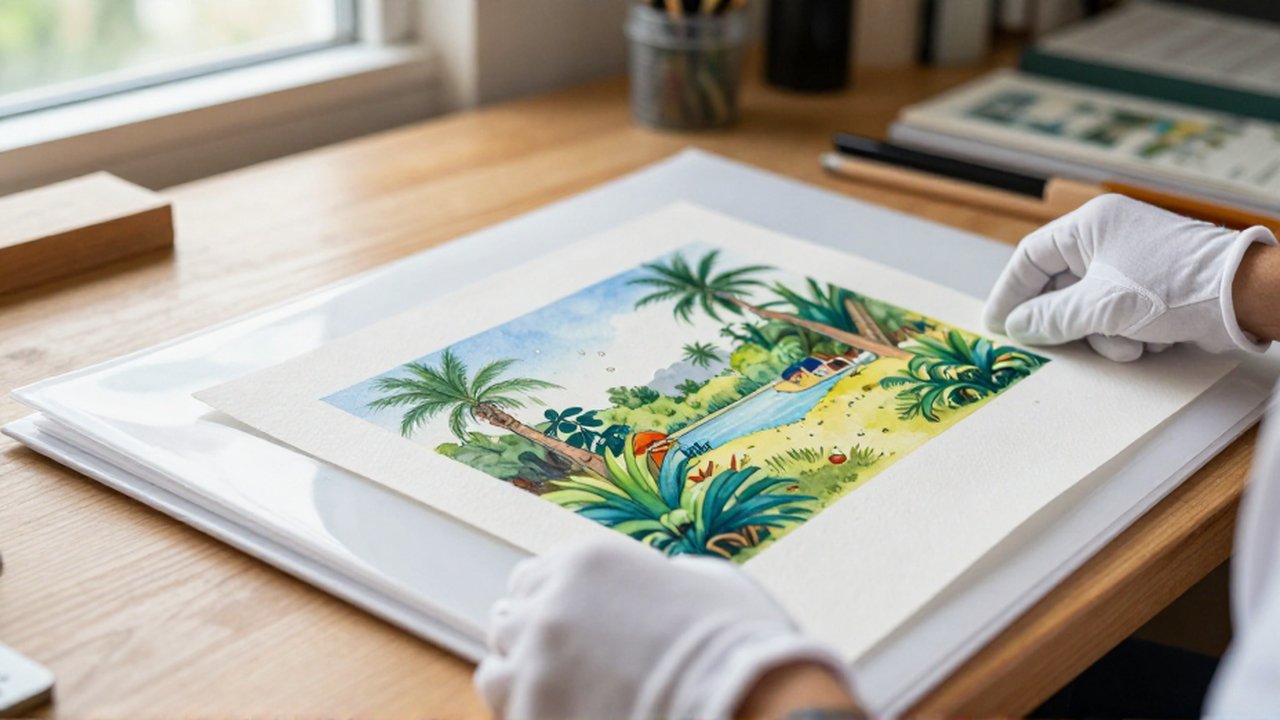
Another common error is ignoring the “micro-climate” of a room. Placing artwork in a bathroom, a kitchen, or near a heating vent can lead to rapid deterioration through moisture spikes or extreme heat. Furthermore, touching the surface of a watercolor painting with bare hands can transfer oils and salts from the skin onto the paper, creating permanent spots that may attract dust or encourage fungal growth. Always handle paintings by the edges or, preferably, while wearing clean cotton gloves.
Comparison of storage methods
| Method | Best Use Case | Primary Benefit | Main Risk |
|---|---|---|---|
| Framed Display | Active viewing/decor | Aesthetic presentation | Light and UV exposure |
| Archival Folders | Small works/Active files | Space-saving and protection | Potential for bending |
| Flat Box Storage | Large collections/Long-term | Maximum physical stability | Requires significant space |
| Portfolio Cases | Artists in transit | Portability and organization | Risk of moisture if not sealed |
Frequently asked questions
How often should I inspect my watercolor collection? It is wise to perform a visual inspection every six to twelve months. Check for signs of foxing (small brown spots), mold, warping, or any discoloration that might indicate an environmental issue.
Can I use regular tape to repair a torn watercolor painting? No. Never use standard adhesive tapes, as they contain acids that will permanently stain and destroy the paper. Any repairs should be performed by a professional conservator using reversible, archival-grade materials.
Is it safe to store watercolors in a basement or attic? Generally, no. Basements are often too humid, which encourages mold, while attics are prone to extreme temperature fluctuations. A climate-controlled living area is the safest place for storage.
Does framing a painting protect it from fading? Framing provides a physical barrier against dust and some light, but it is not a complete solution. To truly prevent fading, you must use UV-protective glazing and ensure the painting is not placed in a location with high light intensity.



Post Comment