How did Spanish colonization affect Dominican dance
Introduction
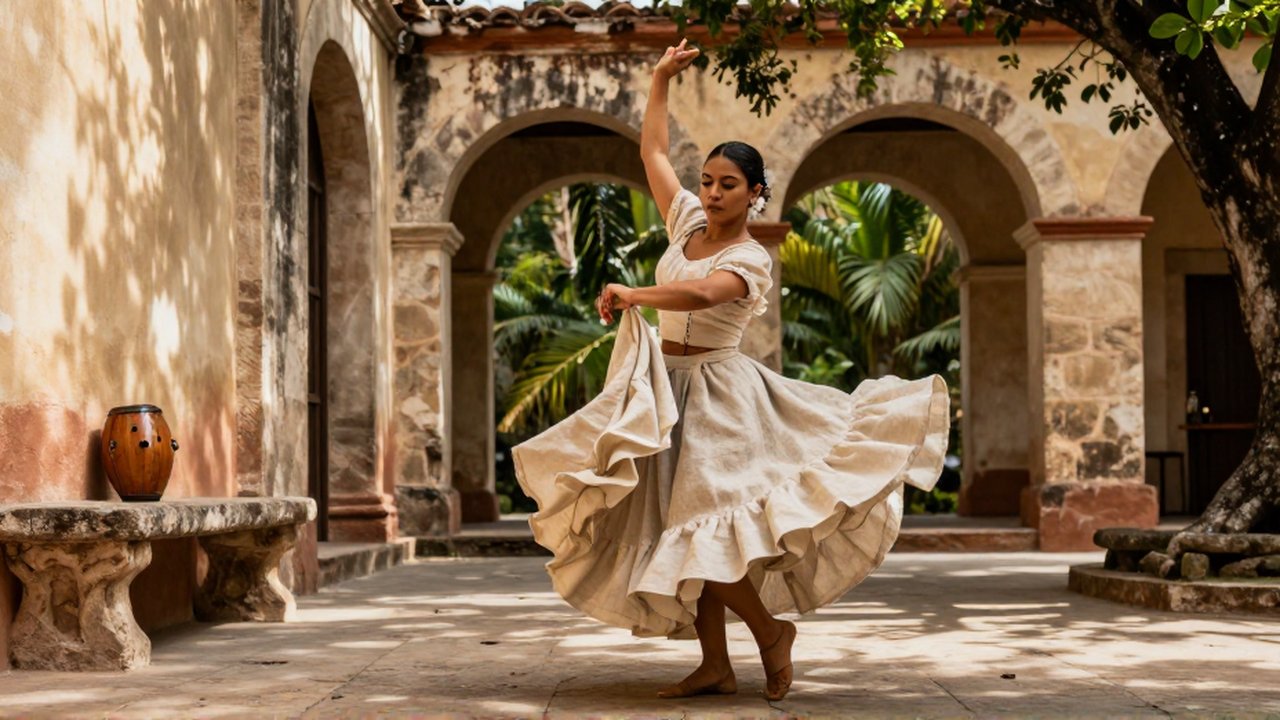
The evolution of Dominican dance is a profound reflection of the island’s complex historical identity. To understand the rhythmic movements seen in the Caribbean today, one must analyze how Spanish colonization acted as a primary catalyst for cultural transformation. This process did not merely introduce new steps; it fundamentally restructured the social, religious, and expressive frameworks of the region.
Examining this influence is essential for anyone seeking to understand the roots of Dominican heritage. By tracing the intersection of European traditions with indigenous and African elements, we gain insight into how dance became a tool for both colonial control and cultural resistance. This historical lens allows us to appreciate the sophisticated synthesis that defines modern Dominican performance.
The introduction of European dance forms
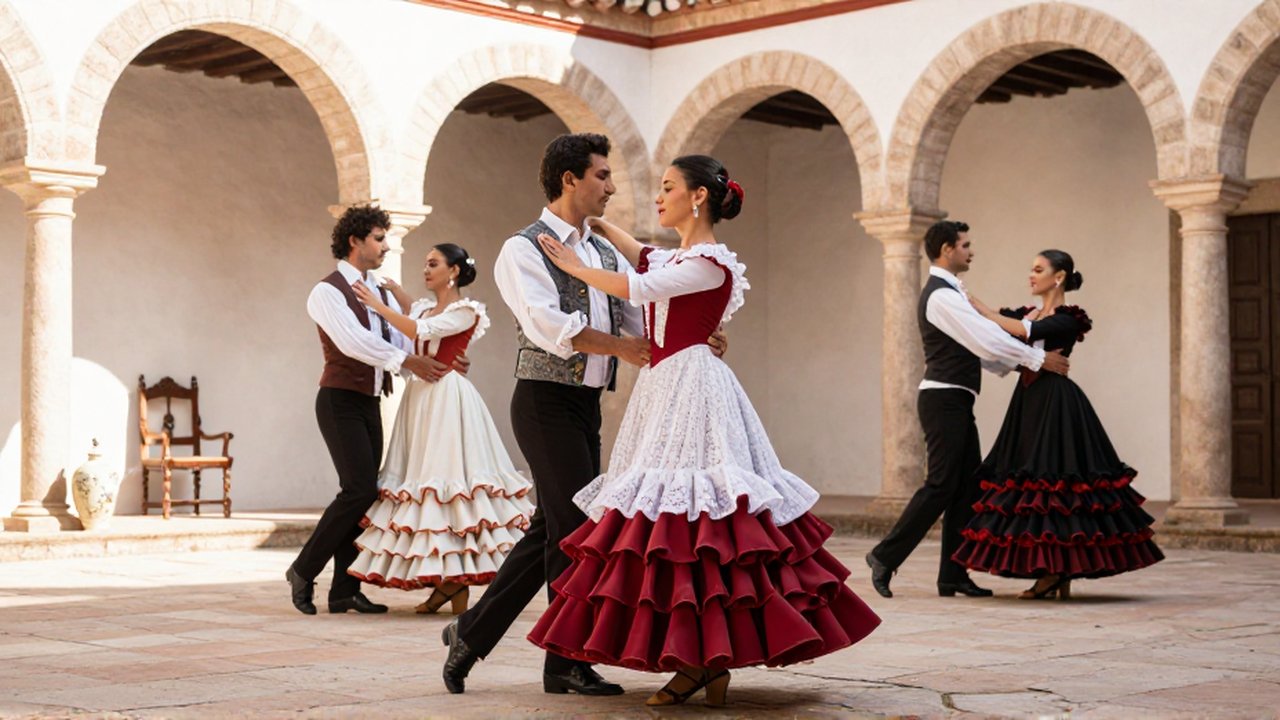
When Spanish settlers arrived in the Caribbean, they brought with them the formal dance traditions of the Iberian Peninsula. During the colonial era, these dances served as markers of social status and European identity. The Spanish introduced structured ballroom dances, courtly movements, and specific musical instruments that would eventually provide the skeletal framework for local rhythms.
These European forms were often characterized by specific patterns of movement, such as the graceful posture and the use of intricate footwork. While many of these dances were originally intended for the colonial elite within religious or aristocratic settings, they planted the seeds for later hybrid styles. The introduction of the guitar and various percussion patterns from Spain also provided the harmonic foundation necessary for the development of diverse rhythmic structures.
The process of cultural syncretism
The most significant impact of Spanish colonization was not the replacement of local traditions, but the emergence of syncretism. As Spanish settlers, indigenous populations, and enslaved Africans lived in proximity, a cultural melting pot was formed. Dance became one of the primary mediums through which these disparate groups communicated and blended their legacies.
This fusion resulted in several distinct characteristics:
- Rhythmic Complexity: The blending of Spanish melodic structures with the complex, syncopated polyrhythms of African descent.
- Movement Hybridization: The combination of European upright postures with the grounded, pelvic-driven movements of African traditions.
- Narrative Evolution: The use of dance to tell stories that blended Catholic iconography with ancestral folklore.
This synthesis created a new cultural language. For example, traditional festive dances often utilized European-style clothing and instrumentation but incorporated the communal, high-energy spirit characteristic of African-influenced celebrations.
Dance as a tool of social and religious control
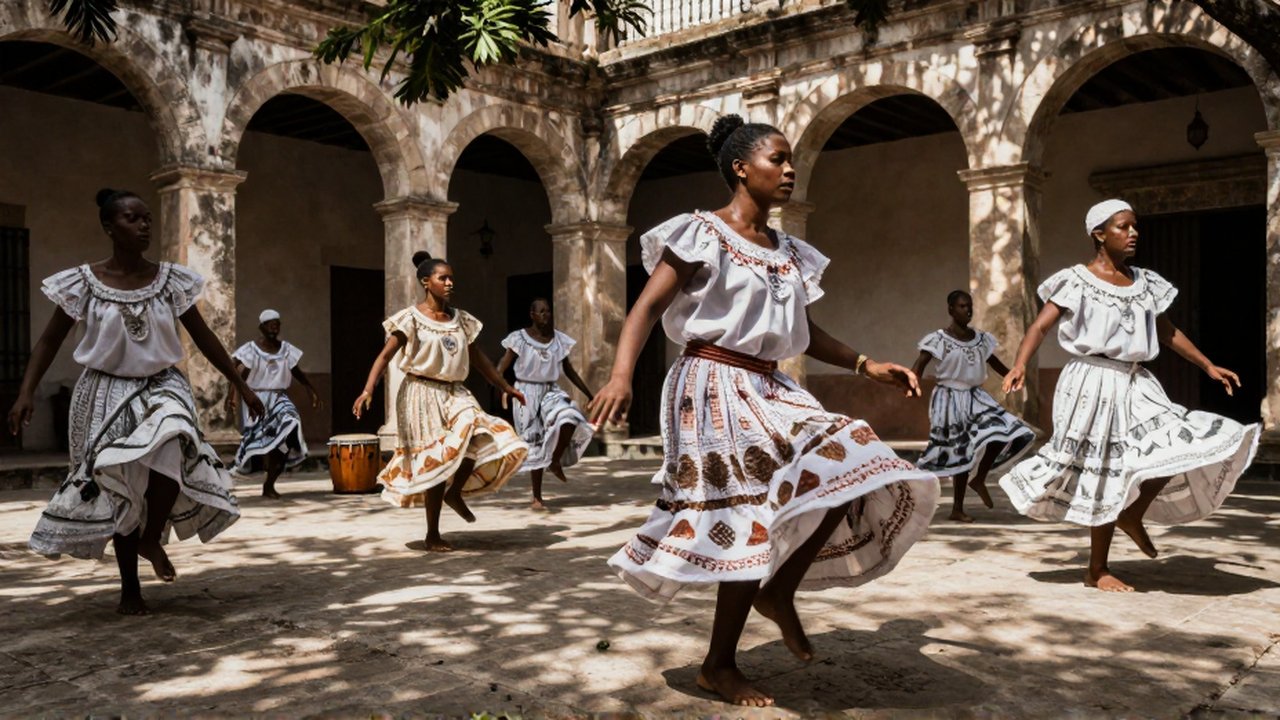
During the height of the colonial period, the Spanish Crown and the Catholic Church used dance and music as instruments of colonization. Through the implementation of religious festivals and processions, the colonial administration aimed to replace indigenous spiritual practices with Christian rituals. Dance was integrated into these ceremonies to make the new religion more accessible and engaging to the local populations.
However, this control was never absolute. While the church utilized dance to instill certain social norms, marginalized groups often used these same religious dances to hide their own cultural expressions. This led to a phenomenon where traditional African rhythms were “masked” within the framework of Christian celebrations, allowing cultural continuity to persist under the guise of colonial compliance.
Long term impact on modern Dominican rhythms
The legacy of Spanish colonization is visible in almost every facet of modern Dominican movement. The structural influence of Spanish music, particularly the emphasis on certain string instruments and melodic phrasing, remains a cornerstone of the island’s musical identity. This influence provided the “melodic” half of the equation that would eventually merge with African “rhythmic” elements to create world-renowned styles.
The historical interaction between these cultures created a spectrum of dance that ranges from highly structured social dances to more spontaneous, communal folk dances. The ability of Dominican dance to absorb external influences while maintaining a core rhythmic identity is a direct result of the historical pressures and creative responses established during the colonial era.
Frequently asked questions
Did Spanish colonization erase indigenous dances? Not entirely. While many indigenous practices were suppressed or forced to merge with European traditions, elements of their cultural identity were absorbed into the broader syncretic culture of the island.
What was the role of music in this process? Music acted as the vehicle for dance. Spanish melodic instruments, such as the guitar, provided a new harmonic layer that merged with African percussion to create the unique rhythmic tension found in Dominican dance.
Is Dominican dance strictly a mix of Spanish and African influences? While Spanish and African influences are the most prominent, the cultural landscape is also shaped by the historical presence of indigenous Taíno elements and later migrations, creating a multi-layered heritage.
How can we see the influence of the Church in dance today? The influence is often seen in the ceremonial and festive dances that accompany religious holidays, where European-style processions and Catholic themes intersect with local rhythmic expressions.


Post Comment